
Modern vehicles use a growing number of electronic sensors. These sensors support engine management, battery monitoring, braking systems, parking assistance, lighting controls, tyre pressure monitoring, and advanced driver assistance systems.
Many automotive sensors are installed in demanding locations, including engine compartments, wheel areas, exterior body panels, battery packs, and underbody systems. These locations may expose the sensor housing to water, dust, mud, oil, road salt, vibration, and rapid temperature changes.
This case study explains how ePTFE vent membranes can help automotive sensor manufacturers improve pressure equalisation and environmental protection.
The Challenge: Pressure Stress in Sealed Sensor Housings
Automotive sensor housings are often designed as sealed enclosures. However, temperature changes can create pressure differences between the inside and outside of the sensor.
For example, a sensor installed near the engine may heat up quickly during driving. When the vehicle is parked and the sensor cools down, the internal pressure can drop. This repeated pressure cycle can place stress on gaskets, seals, and housing joints.
Over time, pressure differences may draw moisture or contaminants into the sensor housing through very small gaps. This can affect sensitive electronic components and reduce sensor accuracy or reliability.
Common risks include:
- Water ingress into sensor housings
- Condensation on internal electronic components
- Pressure stress on seals and gaskets
- Dust, mud, and road salt contamination
- Corrosion of electrical contacts
- Reduced sensor performance and service life
The Solution: ePTFE Protective Vent Membranes
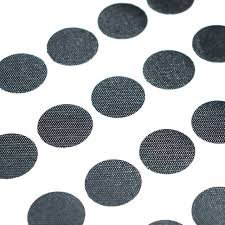
An ePTFE vent membrane can be applied to the sensor housing as a compact adhesive vent patch. The membrane allows air and gases to pass through while helping block water, dust, oil, and other contaminants.
The microporous structure of ePTFE supports pressure equalisation between the inside and outside of the sensor enclosure. This helps reduce pressure stress on seals while maintaining a protective barrier against environmental exposure.
Because ePTFE vent patches are lightweight and compact, they can be integrated into small automotive sensor housings without major changes to the product design.
Application Example: Automotive Parking Sensor Housing
A manufacturer of automotive parking sensors experienced reliability concerns during long-term outdoor testing. Some sensor units showed moisture-related issues after exposure to rain, road spray, and repeated temperature changes.
The original housing used a sealed plastic enclosure. Although the sensor met basic waterproof requirements, pressure changes during heating and cooling created stress around the housing joints.
The manufacturer added a small ePTFE vent patch to the rear section of the sensor enclosure. The membrane allowed internal pressure to equalise gradually while helping prevent water and dust from entering the housing.
After adding the vent membrane, the sensor design achieved improved pressure management and better protection for internal electronic components in demanding automotive environments.
Key Benefits for Automotive Electronics
Using ePTFE vent membranes in automotive sensors can provide several practical benefits:
- Supports pressure equalisation inside sealed sensor housings
- Helps reduce water ingress and condensation risks
- Helps protect sensitive electronic components
- Reduces stress on gaskets, seals, and housing joints
- Helps block dust, mud, oil, and road salt
- Suitable for compact automotive sensor designs
- Available in custom shapes and airflow levels
- Supports reliable performance in harsh vehicle environments
Custom Venting Solutions for Automotive Sensors
Different automotive sensors require different venting designs. Small parking sensors may need compact circular vent patches, while battery management systems, control units, and larger electronic modules may require larger vent membranes with higher airflow capacity.
Ventrase provides ePTFE vent membrane solutions for automotive sensors, battery packs, electronic control units, lighting systems, industrial equipment, and sealed enclosures. We support custom membrane sizes, shapes, airflow levels, adhesive systems, and product integration requirements.
For more automotive venting applications, technical resources, and product information, visit Ventrase Resources.