
VENTING TECHNOLOGY
ePTFE Venting Technology Explained
Advanced microporous membrane technology enabling waterproof protection, pressure balance, and controlled air permeability in industrial sealing systems.
CORE DEFINITION
What is Venting Technology?
Venting technology uses microporous ePTFE membranes to balance pressure inside sealed containers.
- Blocks liquids, dust, and oils
- Allows air and vapor transmission
- Protects sealed industrial systems
- Improves packaging reliability

WORKING PROCESS
How Venting Technology Works
1. Internal pressure increases inside sealed container
↓
2. ePTFE membrane reacts to pressure difference
↓
3. Air passes through microporous structure
↓
4. Liquids and particles are blocked
↓
5. Pressure is safely balanced
KEY FUNCTIONS
Main Benefits of Venting Technology
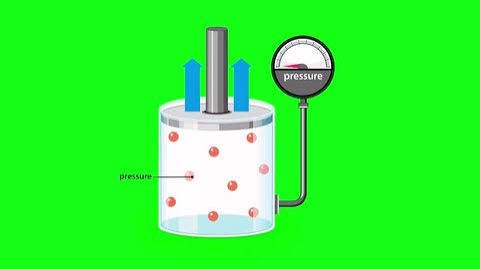
- Pressure Equalization
- Waterproof Protection
- Dust & Oil Resistance
- Anti-Condensation
- Chemical Protection
- Extended Product Life
MATERIAL SCIENCE
ePTFE Membrane Technology
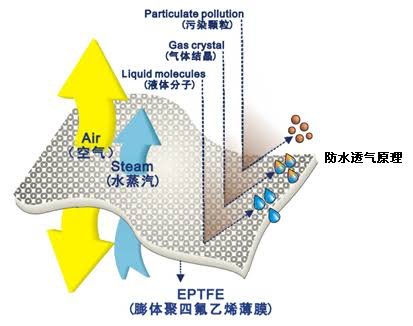
ePTFE (expanded polytetrafluoroethylene) is a high-performance microporous material designed for industrial venting applications.
- Hydrophobic & oleophobic surface
- High air permeability
- Chemical resistance
- Thermal stability
APPLICATIONS
Where Venting Technology Is Used
- Industrial packaging systems
- Agricultural chemicals
- Lubricant containers
- Automotive electronics
- Outdoor equipment
- Medical devices
PRODUCT STRUCTURE
Venting Product Types
- Adhesive Vent Membranes
- Venting Plugs
- Vent Caps
- Custom OEM Vent Solutions
ENGINEERING SUPPORT
Need Help With Venting Technology?
Our engineering team helps OEM customers select the right ePTFE membrane solution based on application requirements.