
Chemical Packaging Vent Solutions with ePTFE Membrane Technology
Reliable chemical container vent solutions designed to prevent pressure build-up, bottle deformation, and leakage during storage and transportation.
Chemical Packaging Challenges
Chemical products including solvents, cleaners, lubricants, industrial chemicals, and specialty fluids often require reliable packaging protection.During storage and transportation, temperature changes, chemical reactions, and gas generation may create pressure differences inside containers.Without proper venting, containers may experience swelling, deformation, leakage, or closure failure.
Internal Pressure Build-Up
Chemical reactions and temperature variations can increase pressure inside bottles and drums.
Container Deformation
Pressure imbalance may cause HDPE bottles, jerry cans, and industrial containers to expand or collapse.
Leakage Risk During Transport
Pressure-related packaging failures may result in chemical leakage and product loss.
Why Chemical Containers Need Venting
Chemical packaging requires a balance between sealing protection and controlled gas exchange.A breathable vent component allows gases to move while preventing liquid chemicals and contaminants from entering the container.
Pressure Equalization
Maintains balance between internal and external pressure to reduce container stress.
Waterproof Protection
Hydrophobic ePTFE membrane blocks liquid penetration while allowing airflow.
Improved Packaging Reliability
Helps improve safety during storage, shipping, and long-term product handling.
How ePTFE Chemical Vent Membrane Works
Ventrase chemical vents use expanded PTFE (ePTFE) microporous membrane technology.The membrane contains millions of microscopic pores that allow air and gas molecules to pass while preventing liquid chemical penetration.
Gas Permeability
Allows excess gas to escape and maintains pressure balance inside chemical containers.
Liquid Barrier Protection
Provides waterproof protection against chemical liquids, moisture, and external contamination.
Long-Term Performance
Maintains stable ventilation performance under demanding industrial packaging conditions.
Chemical container pressure increases
Gas passes through ePTFE membrane
Pressure balance is achieved
Advanced ePTFE Vent Technology for Chemical Packaging
Ventrase chemical packaging vents use advanced expanded PTFE (ePTFE) membrane technology to provide reliable pressure equalization and liquid protection.The microporous membrane structure allows gas exchange while helping prevent chemical liquids, moisture, and contaminants from entering the container.
Hydrophobic Protection
The ePTFE membrane provides waterproof breathable performance and helps prevent liquid chemical penetration.
Chemical Resistance
Designed to withstand demanding environments involving solvents, cleaners, lubricants, and industrial chemicals.
High Air Permeability
Optimized pore structures provide efficient airflow and pressure balance performance.
Long-Term Reliability
Maintains stable ventilation performance during storage, transportation, and product usage.
Chemical Packaging Vent Applications
Ventrase provides venting solutions for different chemical packaging systems including bottles, jerry cans, drums, and industrial containers.
Chemical Bottles
Helps prevent pressure build-up and deformation in HDPE chemical bottles.
Industrial Chemical Containers
Provides reliable ventilation for cleaning agents, solvents, and specialty chemicals.
Chemical Drums
High airflow vent solutions for large-volume containers requiring pressure control.
Lubricant Packaging
Supports safe packaging of oils, greases, and industrial lubricant products.
Agricultural Chemicals
Suitable for pesticides, herbicides, fertilizers, and crop protection products.
Specialty Chemical Packaging
Customized vent solutions for unique chemical packaging requirements.
Ventrase Chemical Packaging Vent Solutions
Different chemical containers require different airflow capacity and installation methods. Ventrase provides press-fit ePTFE vent plugs and breathable sealing solutions.

D10 Press Fit ePTFE Vent Plug
Compact vent solution designed for small chemical bottles and compact packaging systems.
View Product →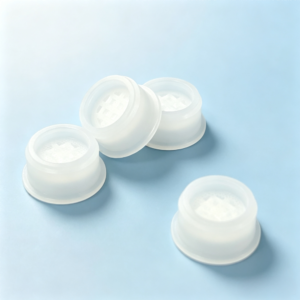
D15 Press Fit ePTFE Vent Plug
Reliable vent component for chemical containers requiring stable pressure equalization.
View Product →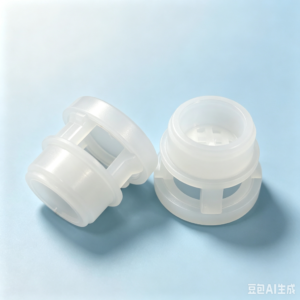
D17 Press Fit ePTFE Vent Plug
Versatile solution for chemical bottles, industrial containers, and lubricant packaging.
View Product →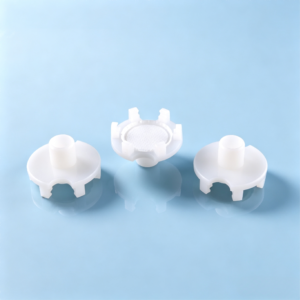
D38 Drum ePTFE Vent Plug
High airflow vent solution for chemical drums and large-volume containers.
View Product →How to Select the Right Chemical Packaging Vent
Container Size
Select vent performance according to bottle, jerry can, or drum volume.
Chemical Compatibility
Consider chemical formulation, concentration, and operating environment.
Airflow Requirement
Choose suitable airflow capacity according to pressure generation conditions.
Installation Method
Choose press-fit vent plugs or vent liners depending on packaging design.
Chemical Packaging Vent Performance
Ventrase chemical packaging vents are engineered to provide reliable pressure equalization, waterproof protection, and long-term durability in demanding industrial environments.
Air Flow Performance
Optimized ePTFE membrane structures provide efficient gas exchange and pressure control.
- Stable airflow capability
- Fast pressure equalization
- Customized airflow options
Waterproof Protection
Hydrophobic membrane technology helps prevent chemical liquids and moisture from entering containers.
- Water entry resistance
- Leakage protection
- Moisture barrier
Chemical Compatibility
Suitable for different industrial chemical environments.
- Solvents
- Lubricants
- Cleaning chemicals
Typical Chemical Vent Product Specifications
Chemical Vent Plug vs Vent Liner
Chemical Packaging Vent Installation Methods
Press Fit Vent Plug Installation
Press-fit vents are installed into pre-designed holes on chemical containers.They provide continuous ventilation without changing container structures.
01Cap Vent Liner Integration
Vent liners are installed inside caps to create breathable sealing systems for chemical bottles.
02Customized Packaging Integration
Ventrase supports packaging manufacturers with customized vent positioning and performance recommendations.
03Chemical Packaging Vent Case Study
Customer Challenge
A chemical packaging manufacturer experienced bottle swelling and leakage during seasonal temperature changes and long-distance transportation.
Ventrase Solution
An ePTFE vent plug solution was integrated into the container system to provide continuous pressure equalization while maintaining waterproof protection.
Result
The improved packaging system achieved better transportation reliability and reduced pressure-related failures.
Testing & Validation for Chemical Vent Solutions
Ventrase evaluates chemical vent performance through professional validation procedures to ensure reliable operation under industrial conditions.
Why Choose Ventrase Chemical Packaging Vent Solutions
Ventrase provides reliable ePTFE venting solutions for chemical packaging manufacturers, combining advanced membrane technology, application experience, and customized engineering support.
Advanced ePTFE Membrane Technology
Microporous expanded PTFE membranes provide breathable performance with waterproof and chemical-resistant protection.
Chemical Packaging Expertise
Solutions designed for industrial chemicals, solvents, lubricants, cleaners, and specialty chemical containers.
Reliable Manufacturing Quality
Strict production control ensures consistent vent performance and stable product quality.
OEM Engineering Support
Customized vent dimensions, membrane selection, airflow performance, and packaging integration support.
Chemical Vent Quality Control & Testing Validation
Reliable chemical packaging requires accurate performance validation. Ventrase evaluates vent components through professional testing procedures to ensure stable performance in demanding applications.
Air Flow Performance Test
Measures gas permeability and airflow capability to verify pressure equalization performance.
View Testing →Water Resistance Test
Evaluates waterproof protection and resistance against liquid chemical penetration.
View Testing →Chemical Compatibility Test
Checks membrane durability when exposed to different chemical formulations.
View Testing →Temperature Resistance Test
Validates product stability during storage and transportation under temperature changes.
View Testing →Customized Chemical Packaging Vent Solutions
Different chemical products require different packaging performance. Ventrase works with customers to develop suitable venting solutions based on container design and application requirements.
Custom Vent Design
Adjust vent dimensions, structure, and installation method according to packaging requirements.
Membrane Selection Support
Recommend suitable ePTFE membrane performance according to airflow, waterproof, and chemical resistance needs.
Application Development
Support prototype evaluation, testing validation, and mass production implementation.
Technical Support for Chemical Packaging Manufacturers
- Help select suitable chemical container vent solutions
- Provide technical recommendations for vent performance requirements
- Support chemical compatibility evaluation
- Provide product samples for testing
- Assist OEM customers with customized vent development
Frequently Asked Questions About Chemical Packaging Vents
Why do chemical containers need venting?
Chemical containers may experience internal pressure changes caused by temperature fluctuations, chemical reactions, or gas generation. Venting helps maintain pressure balance and reduce packaging failures.
What is an ePTFE chemical packaging vent?
An ePTFE chemical packaging vent uses expanded PTFE membrane technology to allow gas exchange while preventing liquid chemical penetration.
What chemical packaging applications use vent plugs?
Chemical vent plugs are commonly used in industrial chemical bottles, jerry cans, lubricant containers, and chemical drums.
Can Ventrase customize chemical container vents?
Yes. Ventrase provides customized ePTFE vent plugs and breathable sealing solutions according to packaging requirements.
Improve Chemical Packaging Safety with Ventrase
Contact Ventrase for professional ePTFE chemical vent plug solutions, breathable sealing technology, and customized packaging support.
Request SampleExplore Vent Solutions