
Waterproof vs Breathable Membranes Explained
Understand how ePTFE membrane technology achieves both waterproof protection and controlled air permeability in industrial packaging and sealing systems.
Dual Function of ePTFE Membranes
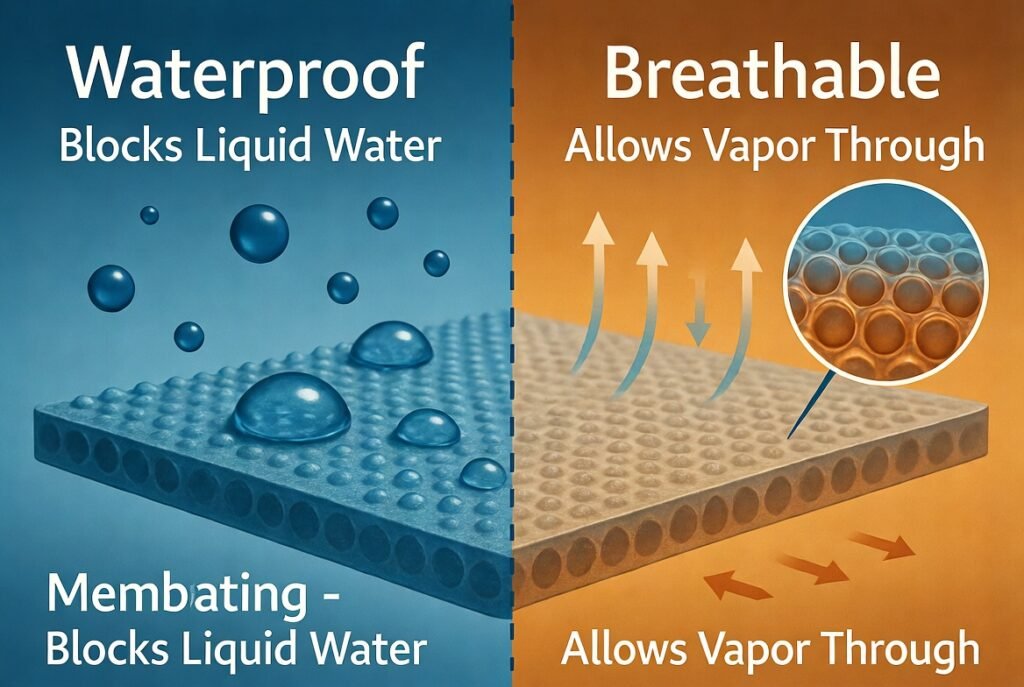
Waterproof Protection
Blocks liquid water even under pressure or immersion conditions.
Breathable Function
Allows air and vapor molecules to pass through microscopic pores.
Pressure Balance
Prevents deformation and leakage in sealed industrial containers.
How ePTFE Membranes Work
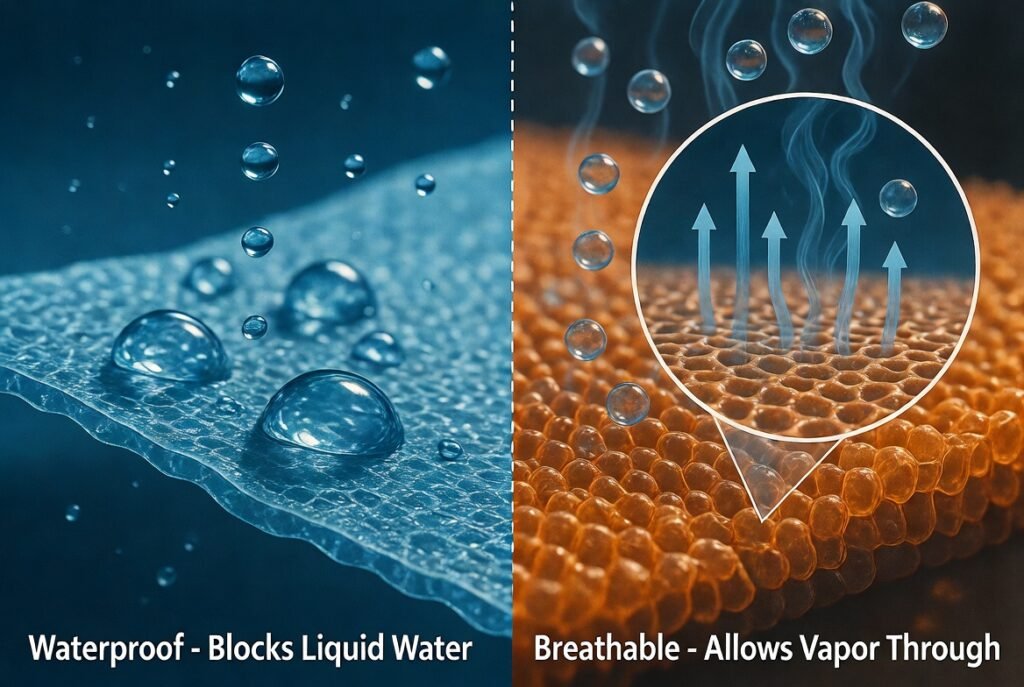
ePTFE membranes contain millions of micropores.
- Water droplets are too large to pass through pores
- Air and vapor molecules can pass freely
- This creates selective permeability behavior
This structure enables stable performance in packaging and sealing systems.
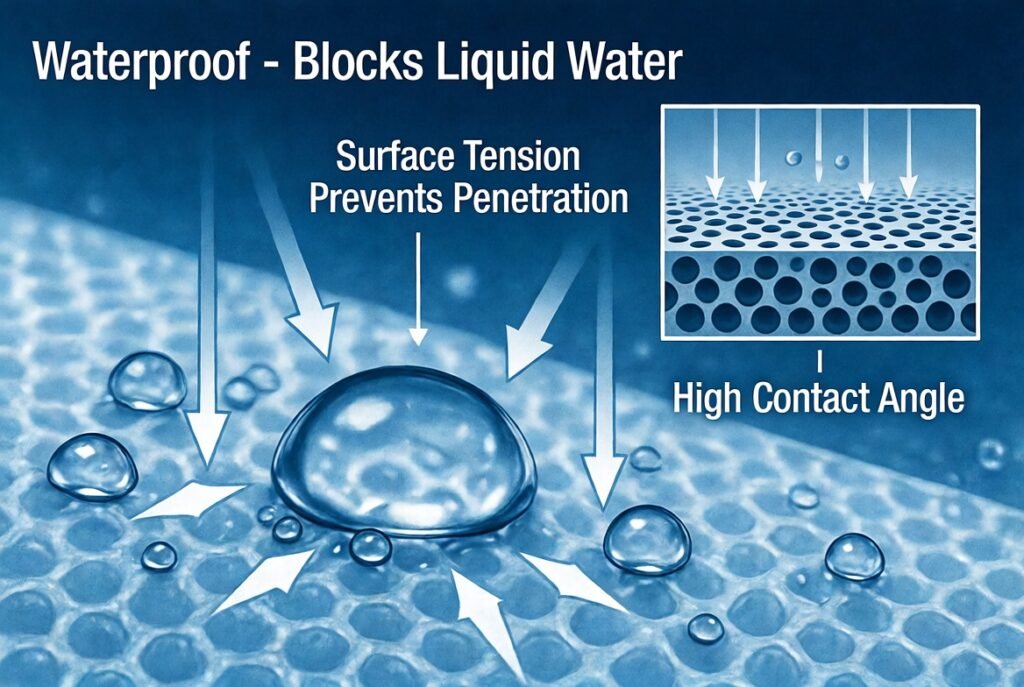
Why Water Cannot Pass Through ePTFE
Water is blocked due to:
- Surface tension effects
- Hydrophobic PTFE structure
- Microporous size limitation
Even under pressure, liquid water cannot pass unless extreme force is applied.
Controlled Air & Vapor Transmission
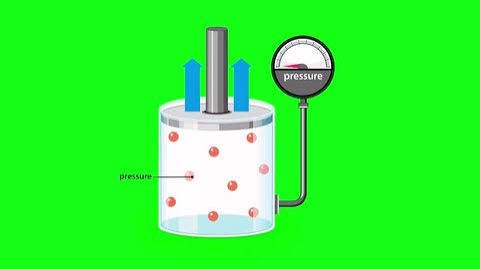
Air passes through membrane based on pressure difference.
- Internal pressure equalization
- Moisture vapor release
- Condensation reduction
This prevents deformation and improves packaging stability.
What is ePTFE Membrane?
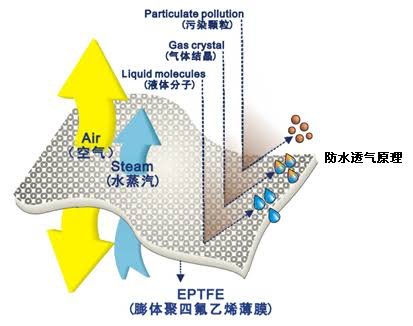
Key properties:
- Microporous structure
- Chemical resistance
- Hydrophobic surface
- High temperature stability
Where Waterproof Breathable Membranes Are Used
- Industrial chemical packaging
- Agrochemical containers
- Automotive electronics
- Outdoor lighting systems
- Smart sensors
- Medical devices
Need Help Choosing a Membrane?
VENTRASE engineering team helps OEM customers select the right waterproof breathable membrane for their application.