
Vent Packaging Solutions for Pressure Equalization and Leak Prevention
Ventrase provides waterproof breathable venting solutions including ePTFE vent plugs, vent liners and customized membrane components for chemical containers, industrial packaging and specialty applications.
Request Technical SupportAdvanced Packaging Vent Solutions
Sealed packaging containers may experience pressure changes caused by temperature fluctuations, transportation conditions and chemical reactions.
Ventrase breathable venting solutions allow controlled gas exchange while helping prevent container swelling, collapse and leakage.
Why Packaging Venting Matters
A reliable venting system balances internal and external pressure while maintaining protection against liquid leakage, dust and environmental contamination.
Our ePTFE membrane technology provides waterproof breathable performance for demanding packaging applications.
Packaging Venting Challenges
Many industrial containers require controlled pressure management to maintain product safety and packaging reliability.
Container Swelling
Temperature changes and chemical vapor expansion can increase internal pressure and cause container deformation.
Container Collapse
Pressure imbalance during transportation or storage may create vacuum conditions that damage packaging.
Leak Prevention
Breathable venting helps release gases while preventing liquid leakage and contamination.
Why Choose Ventrase Packaging Vent Solutions?
Ventrase combines ePTFE membrane technology, precision converting capability and application experience to develop reliable venting solutions for global packaging manufacturers.
From standard vent plugs and vent liners to customized OEM membrane components, Ventrase supports customers from product selection to production supply.
Packaging Challenges Without Proper Venting
Modern chemical and industrial packaging systems face increasing challenges caused by temperature changes, transportation pressure, and chemical reactions. Without reliable pressure equalization, containers may experience deformation, leakage, or safety issues.
Pressure Build-Up
Temperature fluctuations and chemical reactions can create internal pressure inside sealed containers, causing swelling, deformation, or package failure.
Liquid Leakage Risk
Aggressive chemicals, fertilizers, lubricants, and industrial liquids require reliable sealing solutions to prevent leakage during storage and transportation.
Environmental Changes
Altitude changes, temperature variations, and transportation conditions can create pressure differences between the inside and outside of containers.
Why Vent Packaging Solutions Matter
A professional venting solution creates a balance between protection and airflow. Unlike traditional sealing methods, breathable vent components allow gases to pass while preventing liquids and contaminants from entering.
Pressure Equalization
Venting components release excess internal pressure and allow air exchange, helping containers maintain structural stability.
Leak Prevention
Waterproof breathable membranes provide a protective barrier against liquid penetration while maintaining gas permeability.
Improved Packaging Reliability
Proper venting reduces packaging failures, improves product safety, and extends shelf life during storage and transportation.
Ventrase Venting Technology Advantages
Ventrase develops advanced breathable membrane solutions based on ePTFE technology. Our venting products combine waterproof protection, high airflow performance, and chemical resistance for demanding packaging applications.
ePTFE Membrane
Microporous expanded PTFE structure provides excellent gas permeability with outstanding liquid resistance.
Waterproof Protection
Special membrane structures prevent water and liquid penetration while maintaining continuous ventilation.
Chemical Resistance
Designed for aggressive chemical environments including agrochemical, industrial, and lubricant packaging.
Customized Solutions
Ventrase provides customized vent designs according to container size, application requirements, and performance targets.
How ePTFE Vent Membrane Works
Microporous Structure
ePTFE membrane contains billions of microscopic pores. These pores are small enough to block water droplets but large enough to allow air and gas molecules to pass through.
Breathable + Waterproof Protection
The membrane enables pressure balance while protecting packaged products from moisture, dust, and external contamination.
Internal Pressure Increases
Gas generated inside the container creates pressure difference.
Gas Passes Through Membrane
Excess air escapes through the microporous ePTFE structure.
Pressure Balance Achieved
The container remains stable without deformation or leakage.
Ventrase Vent Packaging Product Solutions
Ventrase provides a complete range of breathable venting solutions for chemical, industrial, and consumer packaging applications. From press-fit vent plugs to sealing vent liners, our products are designed to improve safety, reliability, and packaging performance.
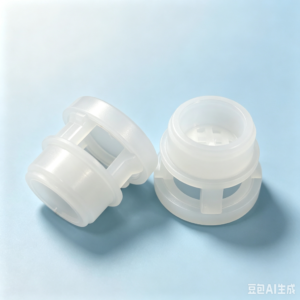
Press Fit ePTFE Vent Plugs
Compact venting components designed for bottles, containers, and industrial packaging. They provide reliable pressure equalization while maintaining waterproof protection.
View Vent Plugs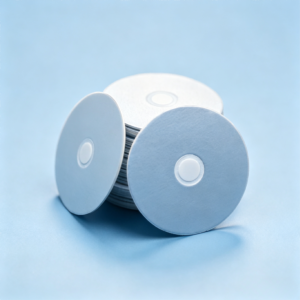
Breathable Vent Liners
Induction sealing liners with breathable membrane technology for chemical bottles, food packaging, and industrial containers.
View Vent Liners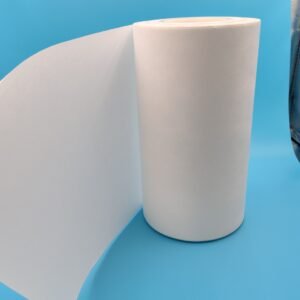
Breathable Membrane Materials
Customized ePTFE membrane materials offering high airflow performance, waterproof protection, and chemical resistance.
Explore MaterialsePTFE Vent Plug Solutions
Ventrase ePTFE vent plugs are engineered for applications requiring continuous pressure balance and reliable sealing performance.
Vent Liner Solutions for Packaging
Ventrase breathable vent liners combine sealing performance with controlled gas exchange. They are ideal for bottles and containers that require both leak protection and pressure management.
Aluminum Foil Vent Liners
Suitable for induction sealing applications requiring chemical resistance and breathable performance.
PE Foam Vent Liners
Lightweight sealing solutions designed for general packaging applications.
EPE Vent Liners
Provides cushioning, sealing, and ventilation functions for various container systems.
Aluminum Foil Foam Vent Liners
Combines aluminum sealing layer with breathable membrane technology.
Industries Using Ventrase Vent Packaging Solutions
Agrochemical Packaging
Prevent bottle swelling and leakage caused by chemical gas generation.
Chemical Packaging
Improve safety for solvents, cleaners, and industrial chemicals.
Lubricant Packaging
Maintain container stability during storage and transportation.
Food Packaging
Provide controlled ventilation for specialized packaging requirements.
Pharmaceutical Packaging
Support reliable protection and controlled gas exchange.
Electronics Protection
Protect sensitive enclosures from pressure differences and moisture.
How to Select the Right Vent Solution
Choosing the correct venting component depends on container size, application environment, required airflow, chemical compatibility, and installation method.
1. Container Type
Bottle, drum, enclosure, or industrial container.
2. Required Airflow
Select membrane performance according to pressure balance requirements.
3. Chemical Environment
Consider chemical resistance and operating temperature.
4. Installation Method
Choose press-fit vent plug or sealing vent liner.
Why Choose Ventrase Vent Packaging Solutions
Ventrase focuses on advanced breathable membrane technology and customized venting solutions. We help global packaging manufacturers improve safety, reliability, and product performance.
Advanced Membrane Technology
Based on ePTFE microporous membrane technology, Ventrase solutions provide excellent airflow, waterproof protection, and chemical resistance.
Application Experience
Our venting products are widely used in agrochemical, chemical, lubricant, industrial, and electronics packaging applications.
Strict Quality Control
Every production process follows strict inspection procedures to ensure consistent performance and reliable quality.
Customized OEM Solutions
From membrane selection to product design, Ventrase supports customized solutions based on customer requirements.
Quality Control and Performance Testing
Reliable venting performance requires accurate testing and quality verification. Ventrase evaluates products through professional testing methods to ensure stable performance under different conditions.
Air Flow Testing
Measures gas permeability and confirms pressure equalization performance.
Learn More →Water Entry Pressure Testing
Evaluates waterproof protection capability under pressure conditions.
Learn More →Chemical Resistance Testing
Ensures membrane durability when exposed to different chemicals.
Learn More →Temperature Resistance Testing
Verifies product reliability under different operating temperatures.
Learn More →OEM and Customized Vent Solutions
Different packaging systems require different venting performance. Ventrase provides flexible customization services for global customers.
Membrane Customization
Select suitable membrane materials according to airflow, waterproof level, and chemical environment.
Product Design Support
Optimize vent size, structure, installation method, and packaging compatibility.
Performance Optimization
Adjust venting parameters to meet specific application requirements.
Technical Support From Ventrase
Choosing the correct venting solution can improve packaging safety and reduce failure risks. Our technical team provides support from product selection to application development.
- Vent product selection based on container volume and pressure requirements
- Material recommendation according to chemical compatibility
- Airflow and waterproof performance evaluation
- OEM design and customized packaging solutions
- Technical documents and application guidance
Frequently Asked Questions About Vent Packaging Solutions
What is a vent packaging solution?
A vent packaging solution uses breathable components such as ePTFE membranes to balance internal and external pressure while preventing liquid leakage.
Why do chemical containers need venting?
Chemical reactions and temperature changes can generate internal pressure. Venting helps prevent container swelling, deformation, and leakage.
What is the difference between vent plugs and vent liners?
Vent plugs are installed through container openings, while vent liners are sealing components integrated into bottle caps and closures.
Can Ventrase provide customized vent solutions?
Yes. Ventrase provides OEM and customized solutions based on container design, airflow requirements, and application conditions.
Need a Reliable Vent Packaging Solution?
Contact Ventrase for product recommendations, technical consultation, and customized breathable membrane solutions.
Request SampleExplore Products