
Agrochemical packaging must do more than hold liquid safely. Pesticides, herbicides, fungicides, and liquid fertilizers can create internal pressure changes during filling, storage, transport, and use.
Modern bottle closures need to manage these pressure changes while helping prevent leakage, contamination, and package deformation. This is where product innovation in breathable vent membranes makes a practical difference.
The Packaging Problem Behind Chemical Bottle Leakage
Many agrochemical products are packed in HDPE bottles, jerry cans, and chemical containers with screw caps or induction seals. When temperature changes, air and vapors inside the container expand or contract.
A fully sealed bottle can trap pressure inside. Over time, this may lead to bottle swelling, cap leakage, seal stress, damaged labels, or contaminated outer cartons.
Traditional vent holes can release pressure, but they may also allow liquid leakage, moisture entry, dust contamination, or chemical odor release.
The goal is to create controlled venting without compromising package protection.
Innovation: Microporous ePTFE Vent Membrane Technology
Ventrase breathable vent membranes use ePTFE microporous technology to create a reliable airflow path inside bottle closures.
The membrane contains extremely small pores. These pores allow air and gas to move through the membrane while helping prevent liquid water and chemical products from passing through.
This structure helps the bottle equalize pressure with the surrounding environment.
Instead of using an open vent hole, manufacturers can use a protected venting system integrated into the cap, liner, or induction sealing structure.
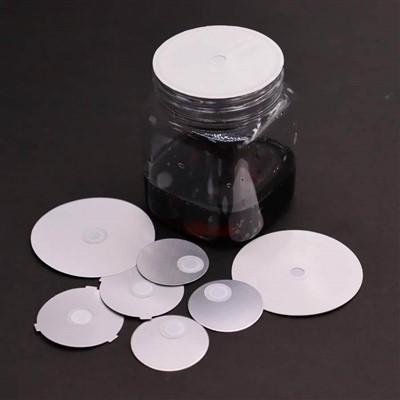
Product Features Designed for Agrochemical Packaging
Ventrase ePTFE vent membranes can be designed for different bottle and closure systems. Key product features include:
- Controlled airflow for pressure equalization
- Waterproof and liquid-resistant membrane structure
- Chemical-resistant material options
- Support for HDPE bottles and chemical jerry cans
- Compatibility with screw caps, vent liners, and induction seals
- Reduced risk of package deformation during temperature changes
- Custom vent size and airflow performance
- Compact integration into existing cap designs
These features help packaging engineers improve the balance between ventilation and leakage protection.
Flexible Formats for Different Closure Designs
Agrochemical packaging formats vary by product type, filling volume, transport method, and regional regulations. A one-size-fits-all vent solution may not provide the right airflow or protection level.
Ventrase can provide vent membrane formats for different applications, including:
- Adhesive vent patches
- Vent liners for screw caps
- Induction sealing vent liners
- Aluminum foil vent liners
- EPE vent liners
- Custom die-cut membrane components
The membrane size, pore structure, adhesive system, and airflow level can be adjusted according to the bottle design and chemical formulation.
Improving Packaging Reliability During Transport
Long-distance transport can expose agrochemical bottles to large temperature differences. Containers may move from production facilities to warehouses, shipping containers, retail distribution centers, and agricultural supply stores.
Pressure changes inside the bottle can affect the cap and liner system. A breathable vent membrane helps reduce this pressure stress.
By supporting pressure equalization, the venting solution can help reduce leakage risk, improve carton protection, and maintain a cleaner product appearance.
This is especially useful for export packaging, where products may face extended storage and transport cycles.
Supporting More Sustainable Packaging Development
Product innovation also supports packaging efficiency. When bottle leakage and deformation are reduced, manufacturers may experience fewer rejected products, fewer damaged cartons, and less packaging waste.
A small vent membrane can help improve the performance of the full packaging system without requiring major changes to the bottle design.
For many chemical packaging applications, this offers a practical way to improve reliability while maintaining existing filling and capping processes.
Custom ePTFE Vent Membrane Solutions from Ventrase
Ventrase develops breathable membrane solutions for agrochemical bottles, pesticide containers, industrial chemical packaging, lubricant bottles, and other pressure-sensitive liquid packaging.
Our team can support membrane selection based on airflow needs, chemical compatibility, bottle size, cap design, liner structure, and transport conditions.
For custom vent membrane samples or technical consultation, contact Ventrase at info@ventrase.com.