
Selecting the right ePTFE vent membrane is important for product reliability. A vent membrane must balance airflow, waterproof performance, dust protection, chemical resistance, adhesive strength, and installation requirements.
Whether the product is an agrochemical bottle, outdoor LED light, automotive sensor, battery pack, industrial enclosure, or electronic device, the venting solution should be selected based on the real operating environment.
What Is an ePTFE Vent Membrane?
An ePTFE vent membrane is a microporous breathable material. It allows air and gases to pass through while helping block water, dust, oil, and other contaminants.
It is commonly used for pressure equalisation in sealed housings and containers. When internal pressure changes because of temperature variation, the membrane helps balance pressure between the inside and outside environment.
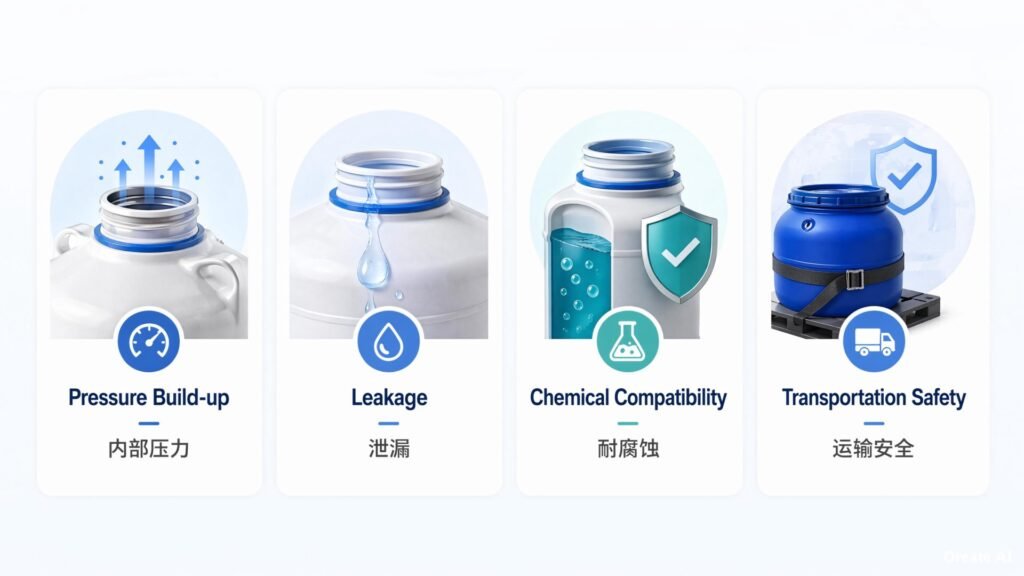
1. Consider the Product Application
The first step is to understand where the vent membrane will be used. Different applications require different venting performance.
- Agrochemical bottles may need chemical-resistant vent liners.
- Outdoor LED lights may need waterproof vent patches with UV resistance.
- Automotive sensors may need compact vents that resist water, mud, oil, and road salt.
- Battery packs may require higher airflow for pressure equalisation.
- Industrial enclosures may need larger vent membranes for changing temperature conditions.
The membrane structure, airflow level, adhesive system, and shape should match the product environment.
2. Check Airflow Requirements
Airflow is one of the most important factors when selecting a vent membrane. A larger enclosure or container may need faster pressure equalisation, while a small sensor housing may only require limited airflow.
High airflow membranes are often used for battery packs, industrial enclosures, lighting housings, and larger chemical containers. Lower airflow membranes may be suitable for small electronic housings and compact sensors.
The required airflow depends on enclosure volume, temperature changes, operating conditions, and expected pressure cycles.
3. Consider Waterproof and Dust Protection
Different products need different levels of water and dust protection. Outdoor products may face rain, humidity, washdown, dust, and mud. Indoor products may only need basic protection against moisture and particles.
For outdoor electronics, automotive components, and industrial equipment, the vent membrane should support the overall waterproof and dust-resistant enclosure design.
The final protection level depends on the complete product structure, including the housing, vent position, adhesive bonding, sealing design, and installation process.
4. Evaluate Chemical Compatibility
Chemical compatibility is especially important for agrochemical bottles, fertiliser containers, industrial chemical packaging, and laboratory applications.
Some liquids may contain solvents, acids, alkalis, surfactants, oils, or active ingredients. These materials may affect the membrane, adhesive layer, cap liner, or closure structure.
Before selecting a vent liner, manufacturers should evaluate the chemical properties of the packaged liquid and test the complete closure system.
5. Select the Right Adhesive System
Many ePTFE vent patches use adhesive backing for easy installation. The adhesive must match the housing material and operating environment.
Common housing materials include:
- PP and PE plastic
- ABS and PC plastic
- PA and PBT engineering plastic
- Aluminium and stainless steel
- Painted or coated metal surfaces
Temperature, humidity, oil exposure, UV exposure, surface texture, and installation pressure can all affect adhesive performance.
6. Choose the Correct Shape and Size
ePTFE vent membranes can be produced in different shapes and sizes. Common designs include round vent patches, rectangular vent patches, strips, die-cut membranes, cap inserts, vent liners, and custom assemblies.
Small circular vents are often used for sensors and compact electronics. Larger rectangular vents may be used for battery packs, LED lighting housings, industrial enclosures, and larger containers.
The available installation area and required airflow should both be considered when selecting membrane size.
7. Test the Complete Product Design
A vent membrane should always be tested as part of the complete product. The membrane may perform differently depending on housing material, vent location, adhesive bonding, installation method, and environmental conditions.
Testing may include waterproof testing, dust testing, pressure cycling, temperature cycling, chemical exposure, vibration testing, ageing tests, and transportation simulation.
For packaging applications, leakage testing and chemical compatibility testing are especially important.
Custom ePTFE Venting Solutions
Ventrase provides ePTFE vent membrane solutions for agrochemical packaging, industrial containers, automotive components, outdoor LED lighting, electronics, battery packs, sensors, and sealed enclosures.
We support custom membrane sizes, airflow levels, adhesive options, vent liner structures, die-cut shapes, and product integration requirements.
For more ePTFE venting applications, technical resources, and product information, visit Ventrase Resources.