
Battery packs are used in electric vehicles, energy storage systems, power tools, portable electronics, medical devices, and industrial equipment. These products often operate in changing temperatures, humid environments, and demanding outdoor conditions.
Although battery housings are designed to be sealed, pressure changes can still create risks. Heat generated during charging and discharging can increase internal pressure. Cooling conditions can create negative pressure inside the enclosure.
An ePTFE vent membrane helps battery packs manage these pressure changes while supporting waterproof and dust-resistant protection.
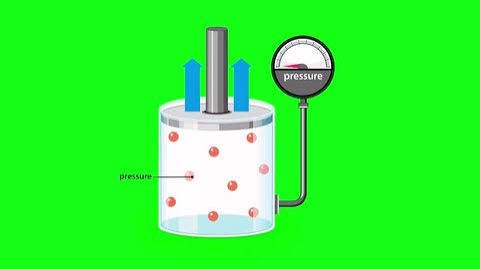
The Challenge: Pressure Changes Inside Battery Enclosures
Battery cells and electronic components can generate heat during charging, discharging, and normal operation. When the temperature inside the battery enclosure rises, internal air expands. When the battery pack cools down, internal pressure decreases.
Repeated pressure changes can place stress on housing seals, gaskets, cable entries, and enclosure joints. Over time, this may increase the risk of moisture entering the battery pack.
Common battery enclosure risks include:
- Pressure stress on seals and gaskets
- Moisture ingress into battery housings
- Condensation on internal components
- Corrosion of electrical connectors
- Reduced battery system reliability
- Damage caused by dust, water, or humidity
How ePTFE Vent Membranes Help
An ePTFE vent membrane allows air and gases to move through the battery enclosure while helping block water, dust, oil, and other contaminants.
The microporous structure of ePTFE supports pressure equalisation between the inside and outside of the battery pack. This helps reduce pressure stress on seals and improves long-term enclosure reliability.
Because ePTFE vent membranes are lightweight and compact, they can be integrated into many battery enclosure designs without requiring major changes to the housing structure.
Typical Battery Applications
ePTFE vent membranes can be used in many battery-related products, including:
- Electric vehicle battery packs
- Electric bike and scooter battery housings
- Energy storage system enclosures
- Portable power stations
- Power tool battery packs
- Industrial lithium battery systems
- Medical device battery housings
- Consumer electronics battery compartments
Application Example: Outdoor Energy Storage Battery Box
An energy storage equipment manufacturer developed a battery box for outdoor installation. The enclosure needed to protect internal battery modules from rain, dust, humidity, and temperature changes.
During field testing, the enclosure experienced repeated heating and cooling cycles. The internal pressure changes created stress around the gasket areas and cable entry points.
The manufacturer added an ePTFE vent patch to the side of the battery housing. The vent membrane allowed pressure to equalise gradually while helping block rainwater, dust, and external contaminants.
After adding the venting solution, the battery enclosure achieved improved pressure management and reduced moisture-related risks during outdoor operation.
Key Benefits for Battery Pack Manufacturers
Using ePTFE vent membranes in battery enclosures can provide several practical benefits:
- Supports pressure equalisation during temperature changes
- Helps reduce moisture ingress and condensation risks
- Helps protect battery management systems and connectors
- Reduces stress on housing seals and gaskets
- Supports waterproof and dust-resistant enclosure designs
- Suitable for compact and large battery pack structures
- Available in custom shapes, sizes, and airflow levels
- Supports automated assembly with adhesive-backed vent patches
Custom Battery Venting Solutions
Different battery packs require different venting performance. A compact power tool battery may need a small circular vent patch, while an EV battery enclosure or energy storage cabinet may require a larger vent membrane with higher airflow capacity.
Ventrase provides ePTFE vent membrane solutions for battery packs, energy storage systems, automotive electronics, industrial equipment, outdoor lighting, sensors, and sealed enclosures.
We support custom vent patch sizes, membrane airflow levels, adhesive systems, die-cut shapes, and product integration requirements.
For more battery venting applications, technical resources, and product information, visit Ventrase Resources.