
Outdoor electronic devices face constant environmental stress. Rain, humidity, dust, UV exposure, heat, cold, and rapid pressure changes can all affect enclosure performance. Even when a housing is sealed, temperature changes can create pressure differences between the inside and outside of the enclosure.
This case study explains how ePTFE vent membranes can help protect outdoor electronics by balancing pressure while maintaining waterproof and dust-resistant performance.
The Challenge: Pressure Build-Up Inside Sealed Enclosures
A typical outdoor electronic enclosure may contain sensors, LED drivers, communication modules, batteries, or control boards. During operation, internal components generate heat. When the device cools down, the air pressure inside the enclosure drops.
This repeated heating and cooling cycle can create several problems:
- Stress on seals and gaskets
- Moisture pulled into the enclosure
- Condensation on internal components
- Reduced waterproof performance
- Corrosion risk for electronic circuits
- Fogging inside camera lenses or sensors
For products such as outdoor lighting, automotive electronics, telecom equipment, security cameras, and industrial control systems, these risks can lead to product failures and increased maintenance costs.
The Solution: ePTFE Protective Vent Membranes
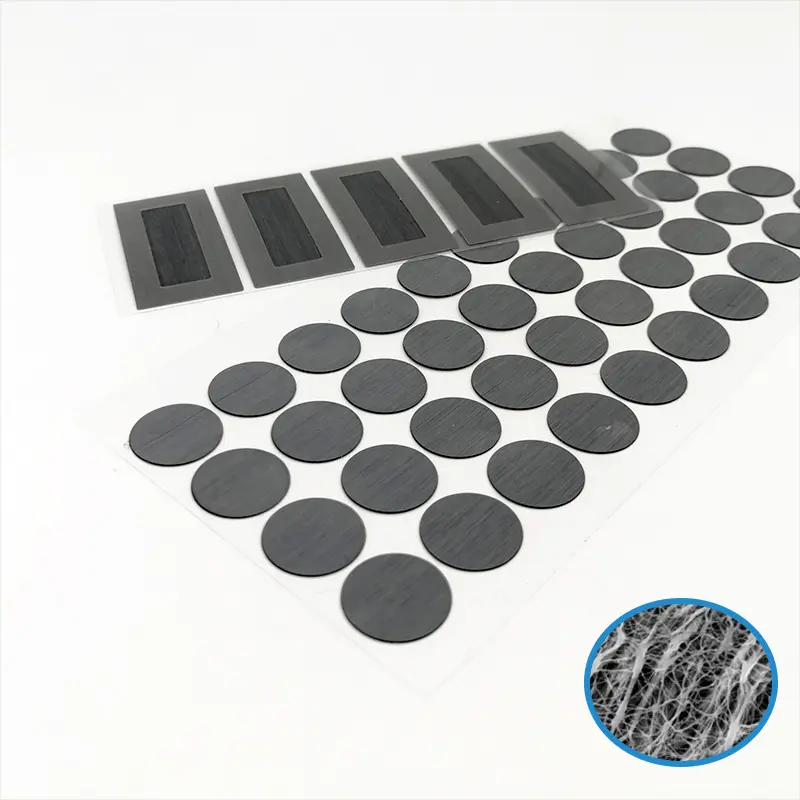
An ePTFE vent membrane is installed on the enclosure surface as a small adhesive vent patch. The membrane allows air and gas to move through the vent while helping block water, dust, oil, and other contaminants.
The microporous structure of ePTFE supports pressure equalisation without requiring an open hole in the enclosure. This helps reduce stress on housing seals and improves long-term environmental protection.
Ventrase Protective Vent Membrane is designed for outdoor electronics, telecom enclosures, automotive sensors, and other demanding applications. The membrane can support high airflow while maintaining resistance to water ingress, dust, corrosive moisture, UV exposure, and temperature changes.
Application Example: Outdoor LED Lighting Enclosure
Outdoor LED lighting systems often operate for long hours in changing weather conditions. During the day, sunlight and internal heat can increase the temperature inside the housing. At night, rapid cooling can create negative pressure inside the enclosure.
Without pressure equalisation, the enclosure may pull humid air through seals or joints. Over time, moisture can build up inside the housing and affect LED drivers, circuit boards, reflectors, and optical components.
By adding an ePTFE vent patch to the lighting enclosure, the internal pressure can be balanced with the outside environment. Moisture vapour can gradually escape while water droplets and dust are blocked.
This helps reduce condensation risk and supports more stable long-term operation.
Key Results for Electronics Manufacturers
Using ePTFE vent membranes can provide several practical benefits:
- Reduced pressure stress on seals and housing joints
- Improved waterproof and dust-resistant protection
- Lower risk of internal condensation
- Better protection for sensitive electronic components
- Improved reliability in outdoor environments
- Flexible installation with adhesive-backed vent patches
- Available in round, rectangular, and custom shapes
For outdoor lighting, automotive electronics, industrial sensors, and telecom equipment, venting is often an important part of enclosure design rather than an optional feature.
Custom Venting Options
Different enclosures require different vent sizes, airflow levels, adhesive systems, and protection targets. A compact sensor housing may need a small round vent patch, while a larger battery pack or lighting enclosure may require a larger rectangular vent membrane.
Ventrase provides breathable membrane solutions for electronics, industrial equipment, automotive components, packaging, and protective enclosures. Custom vent membrane options can be developed based on enclosure material, operating temperature, airflow requirements, and IP protection needs.
For more application information and technical resources, visit Ventrase Resources