
How to Choose the Right ePTFE Vent Plug for Chemical Containers
A Complete Guide to Pressure Equalization, Airflow Requirements, Chemical Compatibility, and Vent Plug Selection
Introduction: Why Choosing the Right Vent Plug Matters
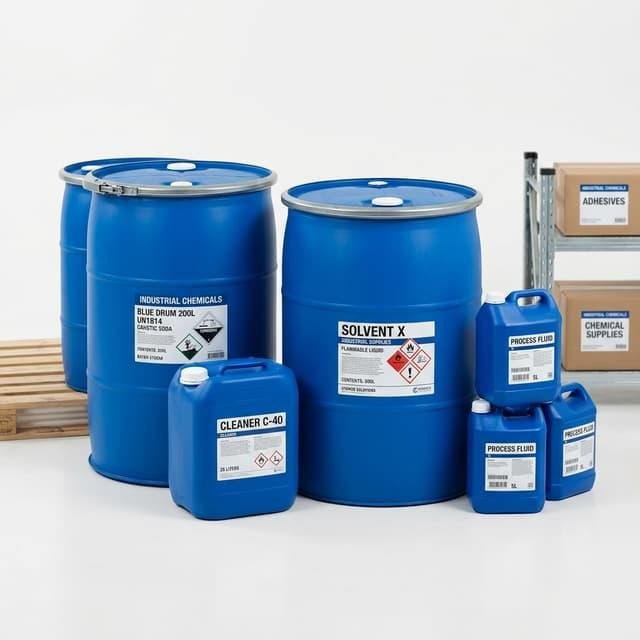
Chemical containers often face pressure changes during manufacturing, transportation, and storage. Temperature fluctuations, chemical vapor generation, and environmental conditions can create pressure differences inside sealed containers.
Without a suitable venting solution, containers may experience swelling, deformation, leakage, or closure failure.
An ePTFE vent plug provides a controlled pressure equalization pathway while maintaining waterproof protection and preventing external contamination.
Common Problems Caused by Incorrect Vent Selection
- Insufficient airflow performance.
- Container deformation caused by pressure buildup.
- Water or dust entering the package.
- Reduced chemical packaging reliability.
- Shorter product service life.
What Is an ePTFE Vent Plug?
An ePTFE vent plug is a pressure equalization component that combines a protective housing with an expanded polytetrafluoroethylene (ePTFE) breathable membrane.
The membrane allows gases to pass through while blocking liquid water, dust, and other contaminants.
Basic ePTFE Vent Plug Structure
Container Interior
↓
Gas Exchange
↓
ePTFE Microporous Membrane
↓
Protective Housing
↓
External Environment
The unique microporous structure of ePTFE creates millions of small pores that are smaller than water droplets but large enough for air and gas molecules to pass.
Learn How Waterproof Breathable Membranes WorkWhy Do Chemical Containers Need Vent Plugs?
Chemical packaging requires both strong sealing performance and reliable pressure management.
Although a completely sealed container prevents leakage, it may also trap internal gases generated by temperature changes or chemical reactions.
Main Causes of Pressure Changes in Chemical Containers
1. Temperature Expansion
When containers are exposed to higher temperatures, gases inside the package expand and increase internal pressure.
This pressure can push against container walls and cause deformation.
2. Chemical Vapor Generation
Many chemical products naturally release vapors during storage.
Common examples include:
- Agricultural chemicals.
- Fertilizers.
- Lubricants.
- Industrial liquids.
- Cleaning products.
3. Transportation Pressure Changes
During truck transportation, air shipment, or warehouse movement, external pressure conditions may change.
A suitable chemical container vent helps maintain stable pressure conditions.
How Does an ePTFE Vent Plug Prevent Container Deformation?
The working principle is based on controlled gas exchange.
Pressure Equalization Process
Internal Pressure Increase
↓
Gas Moves Through ePTFE Membrane
↓
Pressure Balance Restored
↓
Container Shape Maintained
5 Key Factors When Selecting an ePTFE Vent Plug
Selecting the correct ePTFE vent plug requires understanding the container design, operating environment, and required venting performance.
A suitable vent plug should provide enough airflow for pressure equalization while maintaining waterproof and chemical-resistant protection.
1. Consider Container Size and Internal Volume
The size of the container directly affects the required venting capacity.
Small bottles and electronic housings usually require compact vent plugs, while large chemical drums require higher airflow capacity.
General Selection Guidance
- Small containers → Compact vent plugs such as D10.
- Medium containers → D15 or D17 vent plugs.
- Large chemical drums → D38 drum vent plug.
2. Select the Correct Airflow Performance
Airflow is one of the most important parameters when choosing a pressure equalization vent plug.
If airflow is too low, pressure may not be released effectively. If airflow is too high, unnecessary exposure to the environment may occur.
The required airflow depends on:
- Container volume.
- Gas generation rate.
- Temperature variation.
- Transportation conditions.
- Pressure change requirements.
3. Evaluate Chemical Compatibility
Chemical packaging applications require materials that can withstand long-term exposure to aggressive liquids and vapors.
Before selecting a vent plug, consider the chemical properties of the product inside the container.
Common Chemical Applications
- Pesticide packaging.
- Fertilizer containers.
- Industrial solvents.
- Lubricant packaging.
- Specialty chemicals.
4. Check Waterproof and Environmental Protection Requirements
A high-quality ePTFE vent plug must provide ventilation without allowing water or contaminants to enter the container.
This is especially important for outdoor storage, transportation, and industrial applications.
Important Protection Features
- Waterproof breathable membrane.
- Dust resistance.
- Chemical resistance.
- Temperature stability.
- Long-term reliability.
5. Consider Installation Method
Different applications require different installation designs.
| Installation Type | Typical Application |
|---|---|
| Press-Fit Vent Plug | Industrial containers, electronics, equipment housings. |
| Snap-In Vent Plug | Packaging and enclosure applications. |
| Threaded Vent Plug | Large containers and industrial systems. |
ePTFE Vent Plug Selection Guide for Chemical Containers
The following guide helps identify the most suitable Ventrase vent plug solution according to application requirements.
| Application | Recommended Solution | Reason |
|---|---|---|
| Small enclosure or compact packaging | D10 Press-Fit ePTFE Vent Plug | Compact size and reliable pressure balance. |
| General industrial containers | D15 Press-Fit ePTFE Vent Plug | Balanced airflow and protection. |
| Chemical packaging | D17 Press-Fit ePTFE Vent Plug | Designed for demanding packaging environments. |
| Large chemical drums | D38 Drum ePTFE Vent Plug | Higher airflow capacity for large-volume containers. |
Why ePTFE Membrane Technology Is Preferred for Chemical Venting
Traditional vents may allow airflow but cannot always provide reliable protection against water and contaminants.
ePTFE membrane technology creates a balance between:
- High gas permeability.
- Waterproof protection.
- Chemical resistance.
- Long service life.
Ventrase ePTFE Vent Plug Solutions for Chemical Containers
Ventrase provides a complete range of ePTFE vent plug solutions designed for chemical packaging, industrial containers, battery systems, and electronic enclosures.
Each vent plug combines a durable housing structure with a waterproof breathable ePTFE membrane to provide reliable pressure equalization.
D10 Press-Fit ePTFE Vent Plug
The D10 Press-Fit ePTFE Vent Plug is a compact venting solution designed for applications requiring reliable airflow in a small installation space.
D10 Applications
- Small electronic enclosures.
- Compact industrial equipment.
- Small packaging systems.
- Sensor housings.
D15 Press-Fit ePTFE Vent Plug
The D15 Press-Fit ePTFE Vent Plug provides a balanced solution for general industrial applications where pressure equalization and environmental protection are required.
D15 Advantages
- Reliable pressure balance.
- Waterproof breathable performance.
- Suitable for industrial environments.
- Easy press-fit installation.
D17 Press-Fit ePTFE Vent Plug for Chemical Packaging
The D17 Press-Fit ePTFE Vent Plug is designed for applications requiring stronger protection and stable venting performance.
It is widely suitable for chemical containers where internal pressure changes may occur during storage and transportation.
D17 Chemical Packaging Benefits
- Supports chemical container pressure equalization.
- Helps reduce swelling and deformation risks.
- Provides waterproof breathable protection.
- Suitable for demanding packaging environments.
D38 Drum ePTFE Vent Plug for Large Containers
Large chemical containers require higher airflow capacity and stronger pressure management capability.
The D38 Drum ePTFE Vent Plug is designed specifically for large-volume containers such as chemical drums and industrial liquid packaging.
D38 Typical Applications
- Fertilizer containers.
- Chemical drums.
- Industrial liquid containers.
- Lubricant packaging.
- Special chemical storage containers.
Chemical Packaging Vent Plug Selection Process
Selecting the correct vent plug can be simplified by evaluating several key application factors.
Step 1: Identify Container Type
Bottle → Vent Liner or Small Vent Plug
Medium Container → D15 / D17
Large Drum → D38 Drum Vent Plug
Step 2: Evaluate Pressure Requirements
Determine:
- Expected pressure changes.
- Gas generation level.
- Temperature variation.
- Transportation conditions.
Step 3: Check Chemical Compatibility
Confirm that the vent materials are suitable for the stored liquid, vapor environment, and expected service conditions.
ePTFE Vent Plug vs Vent Liner: Which One Should You Choose?
Both solutions use breathable membrane technology, but they are designed for different packaging requirements.
| Requirement | Recommended Solution |
|---|---|
| Large chemical drums | ePTFE Vent Plug |
| Bottle cap packaging | Vent Liner |
| High airflow requirement | ePTFE Vent Plug |
| Integrated sealing production | Vent Liner |
Final Recommendations for Choosing an ePTFE Vent Plug
Selecting the correct ePTFE vent plug requires balancing airflow performance, waterproof protection, chemical compatibility, and installation requirements.
For chemical containers, the ideal vent solution should maintain pressure balance while protecting the package from leakage, moisture, and environmental contamination.
Quick Selection Guide
- Small containers: Choose compact solutions such as D10.
- General industrial packaging: Consider D15 or D17.
- Chemical packaging applications: D17 provides reliable pressure equalization.
- Large chemical drums: Select D38 Drum ePTFE Vent Plug.
- Bottle closures: Consider vent liner solutions.
Why Choose Ventrase ePTFE Vent Plug Solutions?
Ventrase specializes in breathable membrane technology and pressure equalization solutions for global industrial applications.
Our products are designed to help customers solve common packaging challenges including container swelling, pressure buildup, leakage risks, and environmental exposure.
Ventrase Technical Advantages
- Advanced ePTFE waterproof breathable membrane technology.
- Solutions for chemical packaging and industrial applications.
- Stable airflow and pressure equalization performance.
- Chemical-resistant material options.
- Customized vent solutions available.
- Engineering support for product selection.
Frequently Asked Questions About ePTFE Vent Plugs
What is an ePTFE vent plug used for?
An ePTFE vent plug is used to balance internal and external pressure while preventing water, dust, and contaminants from entering containers or enclosures.
How do I choose the correct vent plug size?
The correct size depends on container volume, airflow requirements, pressure changes, installation space, and application conditions.
Which ePTFE vent plug is suitable for chemical containers?
For chemical containers, D17 and D38 vent plugs are commonly selected depending on container size and required airflow performance.
Can vent plugs prevent chemical container deformation?
Yes. By allowing controlled gas exchange, vent plugs reduce pressure differences that can cause container swelling or deformation.
Are ePTFE vent plugs waterproof?
Yes. The microporous ePTFE membrane allows gas transmission while preventing liquid water penetration.
What is the difference between a vent plug and a vent liner?
A vent plug is an independent pressure equalization component, while a vent liner is integrated into container closure systems such as bottle caps.
Related Articles
Recommended Ventrase Products
- D17 Press-Fit ePTFE Vent Plug
Recommended for chemical packaging applications requiring reliable pressure equalization. - D38 Drum ePTFE Vent Plug
Designed for large chemical containers and industrial drums. - D15 Press-Fit ePTFE Vent Plug
Suitable for general industrial pressure equalization applications.
Need Help Selecting the Right Vent Plug?
Ventrase provides ePTFE vent plugs, drum vent solutions, and customized breathable membrane products for chemical packaging and industrial applications.
Contact Ventrase Engineering Team