
ePTFE Vent Plug vs Vent Liner: Which Solution Is Better?
A Complete Guide to Choosing the Right Pressure Equalization Venting Solution for Packaging and Industrial Applications
Introduction: Vent Plug or Vent Liner?
When designing packaging systems, engineers often need to solve the same challenge: how to protect the container while allowing controlled gas exchange.
A completely sealed container may experience pressure changes caused by temperature variation, chemical vapor generation, or transportation conditions.
This is where breathable venting technology becomes important.
The two most common solutions are:
- ePTFE Vent Plug — an independent venting component installed into containers or housings.
- Vent Liner — a breathable sealing liner integrated into a bottle or container closure.
Although both solutions use breathable membrane technology, their structures, installation methods, and applications are different.
What Is an ePTFE Vent Plug?
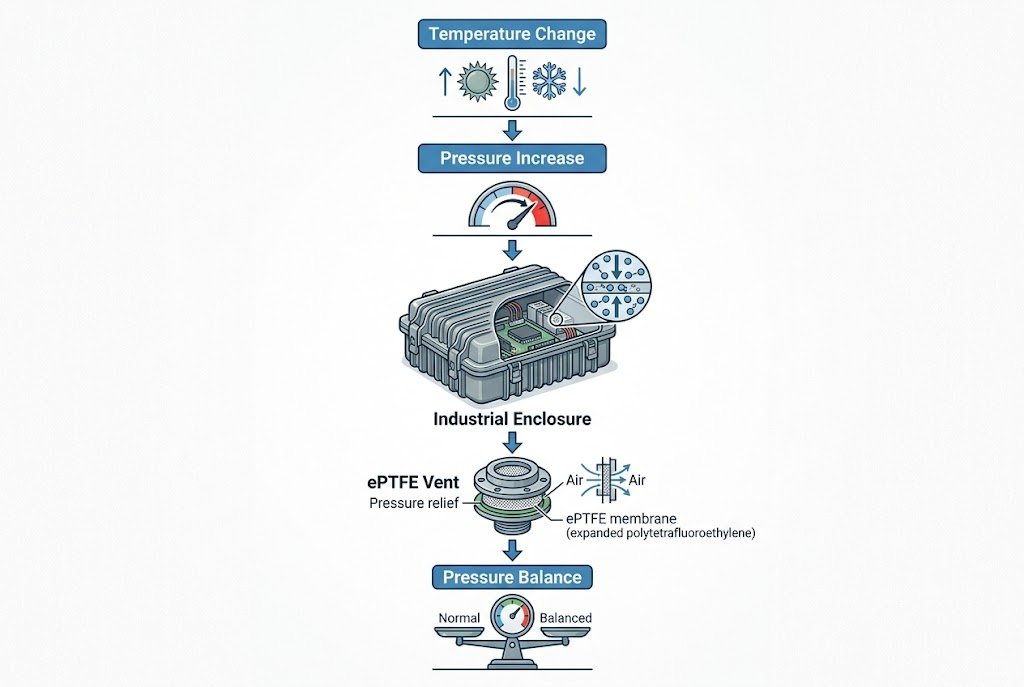
An ePTFE vent plug is a pressure equalization component that combines a protective housing with an expanded PTFE breathable membrane.
The membrane allows air and gas transmission while preventing water, dust, and liquid contamination from entering the protected system.
Typical ePTFE Vent Plug Structure
Container / Housing
↓
Vent Plug Structure
↓
ePTFE Waterproof Breathable Membrane
↓
Controlled Air Exchange
Advantages of ePTFE Vent Plugs
- Ready-to-install venting solution.
- Strong mechanical protection.
- Suitable for harsh industrial environments.
- Excellent chemical resistance.
- Long-term pressure equalization performance.
What Is a Vent Liner?
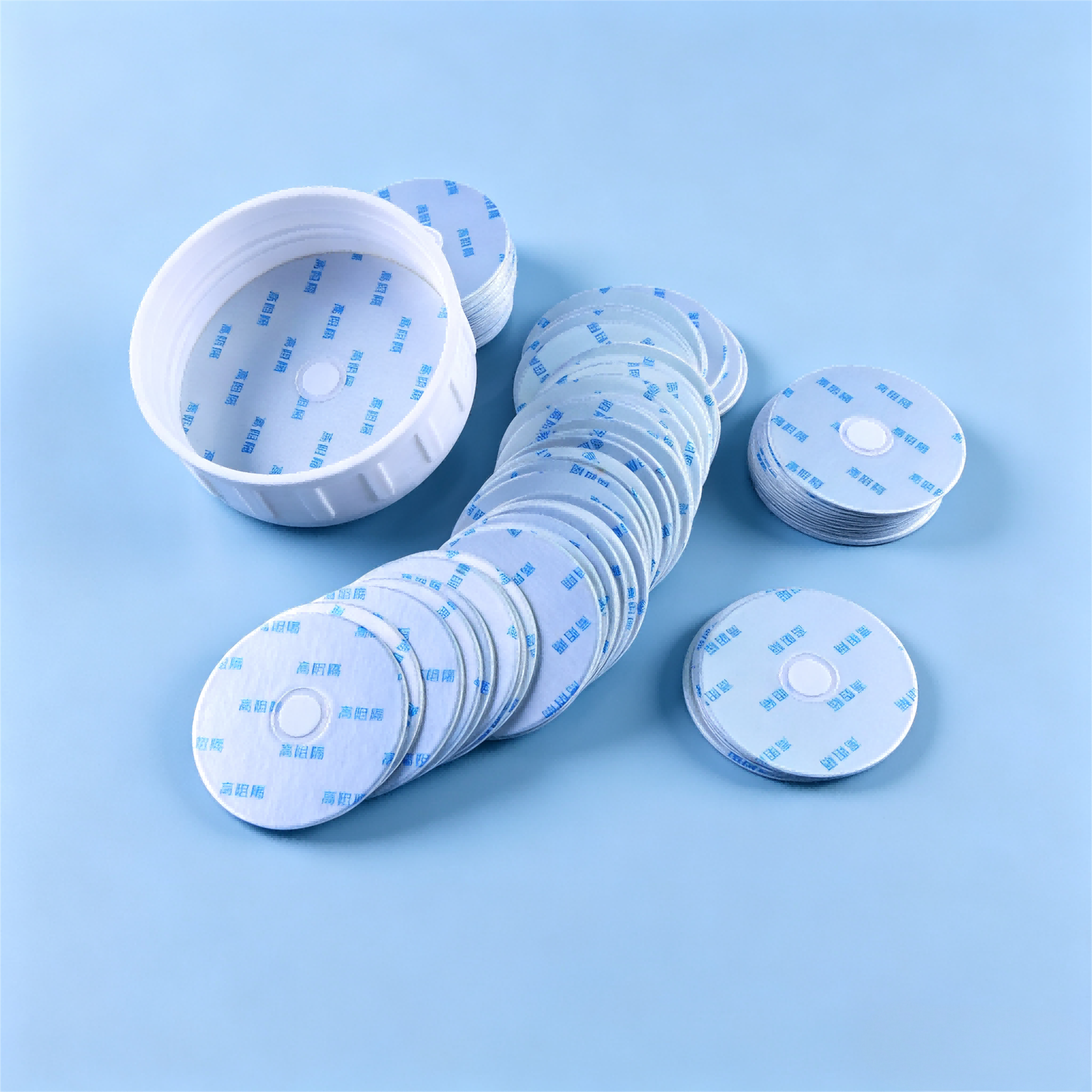
A vent liner is a breathable sealing component installed inside a container cap or closure system.
Unlike a vent plug, which is usually installed separately, a vent liner becomes part of the package sealing structure.
Typical Vent Liner Structure
Cap
↓
Sealing Layer
↓
ePTFE Breathable Membrane
↓
Container
Vent liners are commonly used for bottles, chemical packaging, and products requiring both sealing and pressure control.
ePTFE Vent Plug vs Vent Liner: Main Differences
Both ePTFE vent plugs and vent liners use breathable membrane technology to achieve pressure equalization. However, their designs are optimized for different applications.
| Feature | ePTFE Vent Plug | Vent Liner |
|---|---|---|
| Structure | Independent vent component with protective housing. | Breathable liner integrated into container closure. |
| Installation Method | Press-fit, snap-in, or threaded installation. | Installed inside caps using sealing processes. |
| Mechanical Protection | Excellent protection for harsh environments. | Good protection within packaging structure. |
| Typical Application | Industrial containers, drums, batteries, equipment. | Bottles, chemical packaging, consumer containers. |
| Replacement | Easy replacement or maintenance. | Usually replaced with the complete closure system. |
| Customization | High flexibility for different vent designs. | Optimized for packaging production lines. |
When Should You Choose an ePTFE Vent Plug?
An ePTFE vent plug is usually the better choice when the application requires strong protection, independent installation, and long-term performance.
Typical ePTFE Vent Plug Applications
- Chemical containers and industrial drums.
- Battery modules and energy storage systems.
- Electronic equipment enclosures.
- Outdoor industrial equipment.
- Automotive components.
Chemical Container Venting Applications
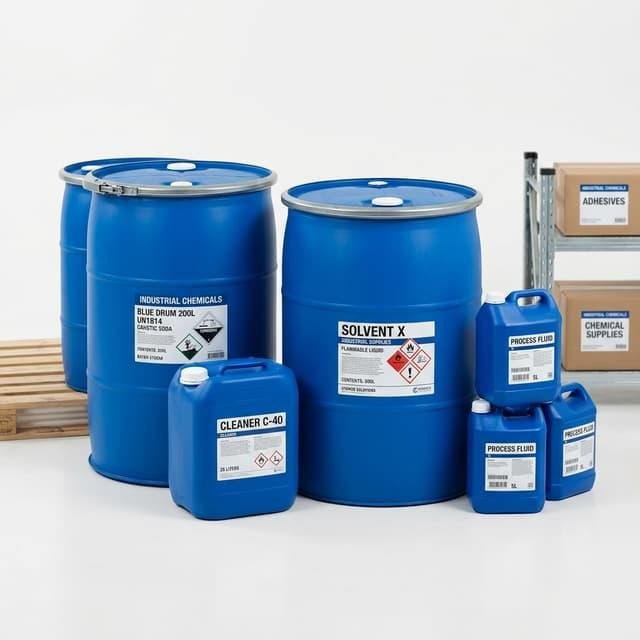
Chemical containers often experience pressure changes caused by temperature fluctuations, chemical evaporation, and transportation conditions.
Without proper venting, containers may expand, deform, or create excessive stress on closures.
Why Chemical Packaging Uses Vent Plugs
- Handles aggressive chemical environments.
- Provides reliable pressure equalization.
- Reduces container deformation risk.
- Supports safer transportation and storage.
Ventrase provides ePTFE vent plug solutions designed for chemical packaging applications, including press-fit and drum vent designs.
Explore Chemical Packaging SolutionsBattery Enclosure Pressure Equalization Applications
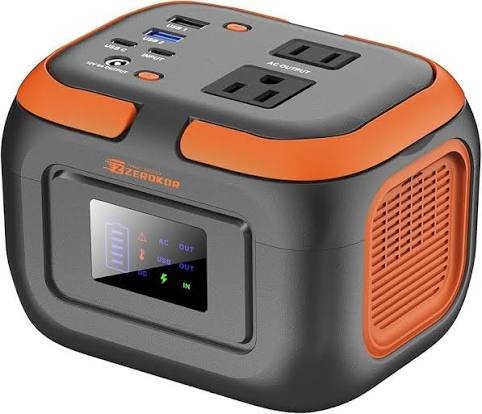
Battery systems require effective pressure management because internal gases and temperature changes may affect enclosure reliability.
An ePTFE vent plug allows controlled gas exchange while maintaining protection against moisture and contaminants.
Battery Venting Requirements
- Pressure equalization during operation.
- Protection against humidity and water ingress.
- Stable performance under temperature changes.
- Reliable enclosure protection.
When Should You Choose a Vent Liner?
A vent liner is ideal for packaging applications where sealing performance, production efficiency, and integrated closure design are important.
Typical Vent Liner Applications
- Chemical bottles.
- Pesticide packaging.
- Lubricant containers.
- Cleaning product bottles.
- Specialty liquid packaging.
Vent liners are especially suitable for high-volume packaging because they can be integrated into existing cap production processes.
Advantages of Vent Liners for Packaging Applications
A vent liner provides an integrated solution that combines container sealing and breathable pressure control. It is widely used in packaging systems where efficient production and reliable sealing are required.
Key Benefits of Vent Liners
- Integrated Design: Combines sealing and venting functions in one component.
- Production Efficiency: Suitable for automated packaging operations.
- Compact Structure: Requires minimal space inside the closure.
- Reliable Pressure Control: Helps prevent bottle deformation caused by pressure changes.
- Flexible Materials: Available with aluminum foil, foam, and ePTFE membrane structures.
How Does an Induction Vent Liner Work?
An induction vent liner combines an induction sealing layer with a breathable membrane structure.
During the sealing process, the liner bonds with the container opening while maintaining a controlled gas exchange pathway through the breathable membrane.
Induction Vent Liner Structure
Container Cap
↓
Induction Foil Layer
↓
Breathable Membrane
↓
Container Opening
↓
Pressure Equalization
Common Induction Vent Liner Applications
- Agricultural chemical bottles.
- Fertilizer containers.
- Lubricant packaging.
- Industrial chemicals.
- Special liquid products.
ePTFE Vent Plug Solutions from Ventrase
Ventrase develops a range of ePTFE vent plug solutions designed for packaging, battery, electronics, and industrial applications.
Each product integrates high-performance breathable membrane technology with reliable mechanical designs for different installation requirements.
Recommended ePTFE Vent Plug Products
- D10 Press-Fit ePTFE Vent Plug
Compact vent solution for small enclosures and packaging applications. - D15 Press-Fit ePTFE Vent Plug
Reliable pressure equalization solution for industrial applications. - D17 Press-Fit ePTFE Vent Plug
Suitable for containers requiring stable airflow and waterproof protection. - D38 Drum ePTFE Vent Plug
Designed for large chemical containers and industrial drums.
Vent Liner Solutions from Ventrase
For packaging applications requiring integrated sealing and breathable performance, Ventrase provides different vent liner solutions.
- Aluminum Foil Vent Liners
Suitable for induction sealing applications requiring reliable barrier protection. - Aluminum Foil Foam Vent Liners
Combines sealing performance with cushioning and breathable functionality. - PE Foam Vent Liners
Designed for various packaging closure applications. - EPE Vent Liners
Provides flexible packaging venting solutions.
How to Select Between Vent Plug and Vent Liner?
| Application Requirement | Recommended Solution |
|---|---|
| Need independent vent installation | ePTFE Vent Plug |
| Chemical drum or large container | ePTFE Vent Plug |
| Bottle cap packaging | Vent Liner |
| High-volume packaging production | Vent Liner |
| Harsh industrial environment | ePTFE Vent Plug |
| Customized venting requirement | Contact Ventrase Engineering Team |
Need Help Choosing the Right Venting Solution?
Ventrase provides technical support to help customers select the most suitable ePTFE vent plug or vent liner based on application requirements.
Use Ventrase Vent Plug SelectorePTFE Vent Plug or Vent Liner: Which Solution Is Better?
There is no universal answer to whether an ePTFE vent plug or a vent liner is better. The correct choice depends on the product design, packaging structure, operating environment, and production requirements.
Choose an ePTFE Vent Plug When:
- You need an independent pressure equalization component.
- The application involves chemical containers or industrial equipment.
- High protection against moisture and contamination is required.
- The product operates in harsh environments.
- Long-term mechanical reliability is important.
Choose a Vent Liner When:
- The application uses bottle or container closures.
- High-speed packaging production is required.
- The venting function needs to be integrated into the cap.
- Compact packaging design is preferred.
- Induction sealing technology is already used.
Ventrase Complete Venting Solutions
Ventrase provides advanced breathable membrane solutions for global packaging and industrial applications.
Our product range includes ePTFE vent plugs, induction vent liners, and customized breathable membrane solutions designed for reliable pressure management.
Ventrase Applications
- Chemical Packaging Venting
- Battery Enclosure Pressure Equalization
- Automotive Electronics Protection
- Industrial Equipment Venting
- Special Packaging Solutions
Frequently Asked Questions About Vent Plugs and Vent Liners
What is the difference between an ePTFE vent plug and a vent liner?
An ePTFE vent plug is an independent venting component installed into a container or enclosure, while a vent liner is integrated into a bottle cap or closure system.
Is an ePTFE vent plug better than a vent liner?
Neither solution is always better. The best choice depends on the application requirements, container design, and required venting performance.
Are vent liners waterproof?
Yes. Vent liners using ePTFE breathable membranes provide waterproof protection while allowing controlled gas exchange.
Which solution is better for chemical containers?
Large chemical containers and industrial drums usually benefit from ePTFE vent plugs because they provide independent installation and strong environmental protection.
Which solution is better for bottle packaging?
Vent liners are commonly selected for bottle packaging because they integrate easily into existing closure and induction sealing processes.
Can Ventrase customize vent plug or vent liner solutions?
Yes. Ventrase provides customized breathable membrane solutions according to application requirements, container design, airflow needs, and environmental conditions.
Related Articles
Need the Right Venting Solution?
Ventrase provides ePTFE vent plugs, vent liners, and customized breathable membrane solutions for industrial applications worldwide.
Request Technical Support