
How Packaging Vent Plugs Prevent Container Deformation
Understanding Pressure Equalization, ePTFE Membrane Technology, and Chemical Packaging Venting Solutions
Introduction: Why Do Packaging Containers Deform?
Many chemical and industrial containers experience swelling, deformation, or leakage during storage and transportation. These problems are often caused by pressure changes inside the container.
When gases build up inside a sealed package, internal pressure increases and creates stress on the container walls and closure system.
A packaging vent plug provides a controlled solution by allowing gas exchange while maintaining protection against liquid leakage and environmental contamination.
Common Problems Caused by Internal Pressure Build-Up
- Container swelling or deformation.
- Cap stress and sealing failure.
- Product leakage during transportation.
- Reduced packaging reliability.
- Customer complaints caused by damaged packages.
What Causes Pressure Build-Up Inside Containers?
Understanding the causes of pressure changes is the first step in selecting the correct venting solution.
1. Temperature Variation
During transportation and storage, containers may experience significant temperature changes.
When temperature increases, gases and vapors inside the container expand, creating higher internal pressure.
2. Chemical Vapor Generation
Many chemical products naturally release gases or vapors during storage.
Common examples include:
- Agricultural chemicals.
- Fertilizers.
- Lubricants.
- Industrial liquids.
- Cleaning chemicals.
3. Transportation and Altitude Changes
Pressure differences can occur during truck transportation, air shipment, or warehouse storage.
Without proper pressure management, containers may experience deformation or sealing stress.
How Does a Packaging Vent Plug Work?
A container vent plug works by creating a controlled pathway for air and gas movement while preventing liquids and contaminants from entering.
The key component inside many advanced vent plugs is an ePTFE waterproof breathable membrane.
Packaging Vent Plug Working Principle
Internal Pressure Increase
↓
Gas Passes Through ePTFE Membrane
↓
Pressure Equalization
↓
Container Shape Maintained
The Role of ePTFE Membrane in Vent Plugs
The ePTFE membrane provides the critical balance between ventilation and protection.
Its microporous structure allows gas molecules to pass while blocking liquid water droplets.
- Waterproof protection.
- High airflow performance.
- Chemical resistance.
- Long-term stability.
- Reliable pressure equalization.
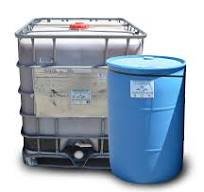
Why Chemical Packaging Needs Vent Plugs
Chemical packaging requires protection against leakage while maintaining internal pressure balance.
A completely sealed container may protect against external contamination, but it can also create internal pressure problems.
A properly designed chemical container vent helps maintain package integrity throughout storage and transportation.
How Packaging Vent Plugs Prevent Container Deformation
Container deformation occurs when the pressure inside a package becomes significantly different from the external environment.
A packaging vent plug prevents this problem by maintaining continuous pressure balance between the inside and outside of the container.
Without a Vent Plug
- Internal gas pressure increases.
- Container walls expand outward.
- Closures experience additional stress.
- Leakage risks increase during transportation.
With an ePTFE Vent Plug
- Excess gas can escape through the breathable membrane.
- External air can enter when pressure decreases.
- Container shape remains stable.
- Packaging reliability improves.
Chemical Container Venting Applications
Chemical packaging is one of the most important applications for container vent plugs.
Products such as fertilizers, pesticides, lubricants, and industrial chemicals may create pressure changes during storage because of vapor generation and temperature fluctuations.
Common Chemical Packaging Applications
- Fertilizer containers.
- Pesticide bottles.
- Agricultural chemical packaging.
- Lubricant containers.
- Industrial liquid drums.
For these applications, a vent plug must provide reliable airflow while resisting chemical exposure and maintaining waterproof protection.
Why Drum Vent Plugs Are Important for Large Containers
Large industrial containers have higher requirements for pressure management because they contain larger volumes of liquid and vapor space.
A drum vent plug provides a practical solution for containers such as chemical drums, tanks, and large packaging systems.
Advantages of Drum Vent Plugs
- Suitable for large-volume containers.
- Supports continuous pressure equalization.
- Reduces container swelling risks.
- Improves transportation safety.
- Protects product packaging integrity.
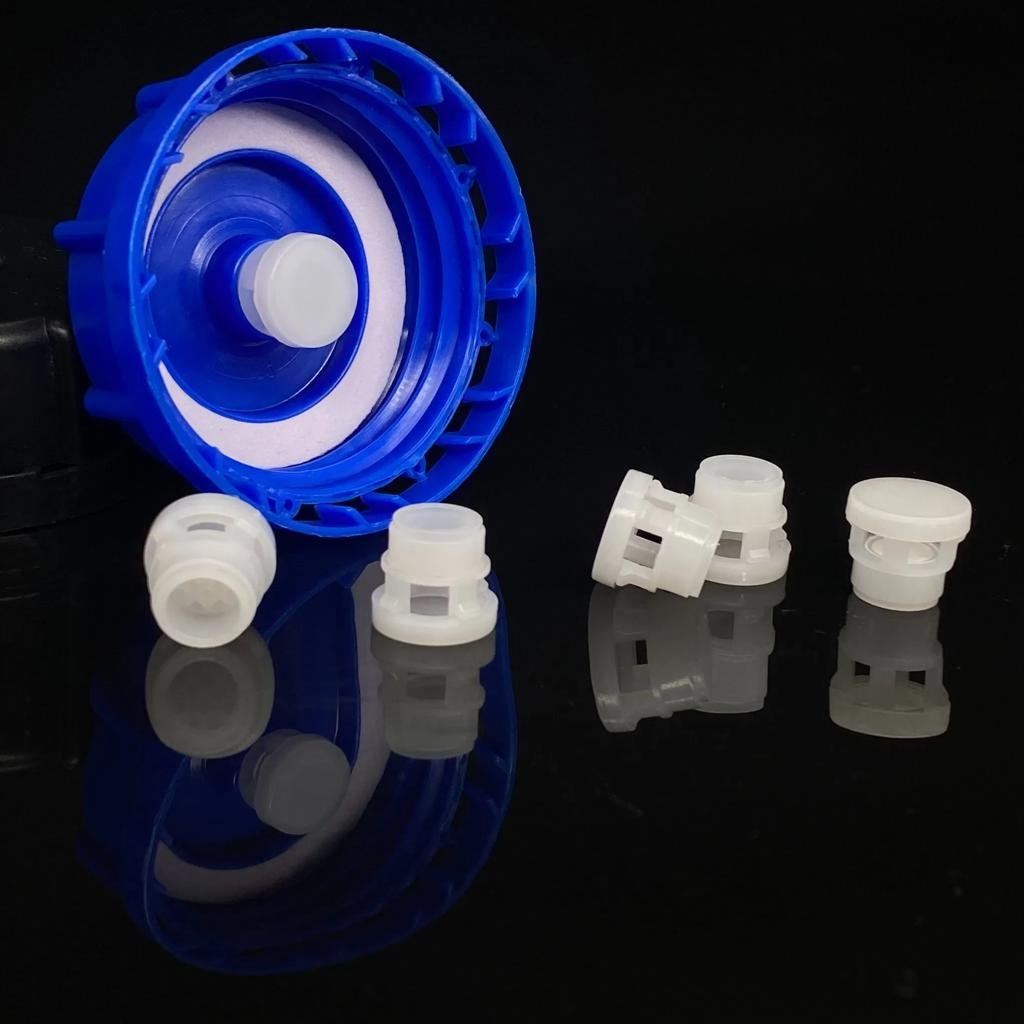
D38 Drum ePTFE Vent Plug Solution
Ventrase D38 Drum ePTFE Vent Plug is designed for large chemical containers requiring reliable pressure control.
It is suitable for applications where containers need protection against deformation caused by internal pressure changes.
D38 Drum Vent Plug Features
- Designed for large containers and drums.
- Waterproof breathable ePTFE membrane technology.
- Helps prevent swelling and vacuum deformation.
- Suitable for chemical liquids and industrial products.
- Reliable performance in demanding environments.
How ePTFE Vent Technology Improves Chemical Packaging Safety
Traditional packaging designs often focus only on preventing leakage. However, modern chemical packaging requires both sealing protection and pressure management.
An ePTFE vent plug provides a controlled ventilation pathway without creating an open connection between the container and environment.
| Requirement | Vent Plug Benefit |
|---|---|
| Pressure Control | Balances internal and external pressure. |
| Water Protection | Prevents liquid water penetration. |
| Chemical Resistance | Maintains performance in chemical environments. |
| Package Reliability | Reduces deformation and leakage risks. |
Beyond Chemical Packaging: Other Vent Plug Applications
Although packaging is a major application, breathable vent plug technology is also widely used in other industries.
- Battery enclosure venting.
- Automotive electronics protection.
- Industrial equipment housings.
- Outdoor electrical enclosures.
Battery Enclosure Venting Applications
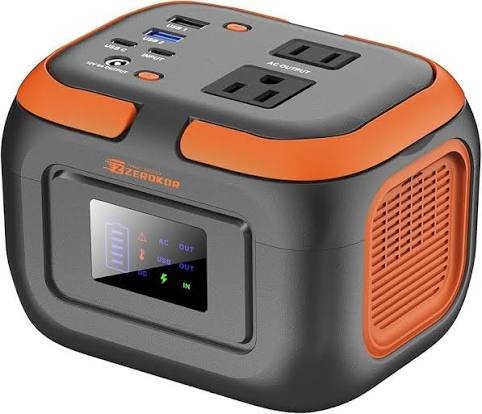
In addition to chemical packaging, vent plug technology is increasingly used in battery systems where pressure management and environmental protection are critical.
Lithium batteries and energy storage systems may generate internal gases during operation, charging, or abnormal conditions. Without proper venting, pressure accumulation may affect enclosure reliability.
Benefits of Battery Vent Plugs
- Maintains pressure balance inside battery housings.
- Protects against moisture and water ingress.
- Reduces stress on enclosure seals.
- Supports stable operation under temperature changes.
- Improves long-term system reliability.
Industrial Equipment Venting Solutions
Industrial equipment often operates in environments with dust, humidity, temperature changes, and pressure fluctuations.
A sealed enclosure may prevent contamination but can create internal pressure problems when environmental conditions change.
A pressure equalization vent plug provides a controlled airflow pathway while maintaining enclosure protection.
Typical Industrial Applications
- Electrical control cabinets.
- Outdoor monitoring equipment.
- Sensors and electronic devices.
- Communication equipment.
- Industrial automation systems.
Packaging Vent Plug vs Traditional Sealing Methods
Traditional sealing methods completely block air exchange. While this can prevent contamination, it may create pressure-related problems.
Modern vent plug solutions provide both protection and controlled ventilation.
| Feature | Traditional Sealing | ePTFE Vent Plug |
|---|---|---|
| Air Exchange | No | Yes |
| Pressure Equalization | Limited | Excellent |
| Water Protection | Good | Excellent |
| Container Deformation Prevention | Limited | Excellent |
| Chemical Environment Performance | Depends on material | High chemical resistance |
How to Select the Right Packaging Vent Plug?
Selecting the correct container vent plug depends on container size, application environment, airflow requirements, and installation method.
Key Selection Factors
- Container Volume: Small bottles and large drums require different venting capacity.
- Airflow Requirement: Select suitable airflow according to pressure changes.
- Chemical Compatibility: Confirm resistance to liquids and vapors.
- Installation Design: Consider press-fit, snap-in, or threaded installation.
- Environmental Conditions: Evaluate moisture, dust, and temperature exposure.
Ventrase Packaging Vent Plug Product Solutions
Ventrase offers a complete range of ePTFE vent plug solutions for packaging, batteries, electronics, and industrial applications.
Recommended Vent Plug Products
- D10 Press-Fit ePTFE Vent Plug
Compact vent solution for small containers and electronic housings. - D15 Press-Fit ePTFE Vent Plug
Reliable pressure equalization solution for general industrial applications. - D17 Press-Fit ePTFE Vent Plug
Designed for packaging applications requiring waterproof breathable protection.
D38 Drum Vent Plug for Large Container Applications
For large-volume packaging systems, maintaining pressure balance becomes even more important. Containers such as chemical drums, fertilizer tanks, and industrial liquid packages require reliable venting performance.
The D38 Drum ePTFE Vent Plug from Ventrase is designed to provide continuous pressure equalization while maintaining waterproof and chemical-resistant protection.
D38 Drum ePTFE Vent Plug Features
- Designed for 60L-150L large containers.
- Helps prevent container swelling and deformation.
- Provides waterproof breathable performance.
- Suitable for fertilizers, lubricants, chemicals, and industrial liquids.
- Supports reliable transportation and storage.
Packaging Vent Plug Selection Guide
Choosing the correct vent plug depends on the container design, application requirements, and operating environment.
| Application | Recommended Solution |
|---|---|
| Small electronic enclosure | D10 ePTFE Vent Plug |
| General industrial container | D15 / D17 ePTFE Vent Plug |
| Chemical drums and large containers | D38 Drum Vent Plug |
| Bottle packaging with induction sealing | Vent Liner Solution |
Why Choose Ventrase Packaging Vent Solutions?
Ventrase focuses on breathable membrane technology and pressure equalization solutions for global industrial customers.
Ventrase Advantages
- Advanced ePTFE membrane technology.
- Solutions for chemical packaging and industrial applications.
- Reliable waterproof breathable performance.
- Customized venting solutions available.
- Technical support for product selection and integration.
Frequently Asked Questions About Packaging Vent Plugs
What is a packaging vent plug?
A packaging vent plug is a breathable component that allows gas exchange while preventing liquid and environmental contamination from entering the container.
How do vent plugs prevent container deformation?
Vent plugs prevent deformation by allowing pressure equalization between the inside and outside of the container, reducing stress caused by gas expansion.
Why do chemical containers need vent plugs?
Chemical containers may generate internal pressure due to vapor expansion, temperature changes, and transportation conditions. Vent plugs help maintain packaging stability.
Are ePTFE vent plugs waterproof?
Yes. ePTFE membranes provide waterproof protection while allowing air and gas transmission.
What is the difference between a vent plug and an open hole?
An open hole allows uncontrolled liquid and contamination entry, while a vent plug provides controlled gas exchange with waterproof protection.
Which vent plug is suitable for chemical drums?
Large chemical drums typically require higher airflow capacity and strong protection. The D38 Drum ePTFE Vent Plug is designed for these applications.
Related Articles
Need a Packaging Vent Plug Solution?
Ventrase provides ePTFE vent plugs, drum vent solutions, and customized breathable membrane products for chemical packaging and industrial applications.
Request Technical Support