
How to Select the Right ePTFE Vent Plug for Chemical Packaging
Chemical packaging requires more than simply preventing liquid leakage. During storage, transportation and temperature changes, pressure differences can develop inside containers, which may cause bottle swelling, deformation, leakage or packaging failure.
An ePTFE vent plug provides a controlled pathway for air and gas exchange while helping prevent liquid water and contaminants from entering the package. By combining pressure equalization performance with waterproof protection, ePTFE venting technology has become an important solution for chemical, agrochemical and industrial packaging applications.
The core technology behind this solution is the ePTFE waterproof breathable membrane. You can learn more about its microporous structure and working principle in our technical guide: ePTFE Membrane Technology .
Why Choosing the Right ePTFE Vent Plug Matters
Selecting the correct chemical packaging vent plug is not only about matching the container opening size. Engineers need to evaluate the complete packaging system, including container volume, airflow requirements, chemical compatibility, waterproof performance and operating environment.
A properly selected vent plug can help:
- Prevent container swelling caused by pressure buildup
- Reduce leakage risks during transportation
- Maintain package stability under temperature changes
- Improve chemical packaging reliability
- Extend storage and transportation performance
For engineers looking for technical specifications, airflow data and product selection information, Ventrase provides a dedicated: Technical Resource Center .
What Is an ePTFE Vent Plug?
An ePTFE vent plug is a pressure equalization component that uses an expanded polytetrafluoroethylene membrane to allow gas exchange while preventing liquid penetration.
ePTFE stands for expanded polytetrafluoroethylene. Through a controlled expansion process, PTFE forms a unique microporous structure containing millions of microscopic pores.
These pores provide the following functions:
- Air permeability: Allows air and gas molecules to pass through.
- Water resistance: Blocks liquid water penetration.
- Chemical stability: Provides reliable performance in demanding environments.
- Pressure equalization: Helps balance internal and external pressure differences.
Unlike traditional sealing materials, ePTFE creates a breathable barrier that protects the package while allowing controlled ventilation.
Read more about: What Is an ePTFE Vent Membrane? Complete Guide for Engineers .
Why Do Chemical Containers Need Venting?
Many chemical containers are designed with airtight closures to prevent leakage. However, a completely sealed container may experience pressure problems when environmental conditions change.
For example, a pesticide bottle filled at room temperature may be transported through hot climates. As the temperature rises, air and chemical vapor inside the container expand, increasing internal pressure.
This pressure change may result in:
- Plastic bottle deformation
- Cap stress and sealing failure
- Induction liner damage
- Liquid leakage during transportation
- Difficult opening experience for end users
An effective pressure equalization vent provides a controlled pathway for gas exchange, helping reduce pressure stress while maintaining protection against external moisture.
How ePTFE Waterproof Breathable Technology Works
The performance of an ePTFE vent plug comes from the unique structure of expanded PTFE membrane technology.
The membrane combines two important characteristics:
| Performance | Function |
|---|---|
| Breathability | Allows air and vapor exchange |
| Waterproof protection | Prevents liquid water penetration |
| Chemical resistance | Supports harsh industrial environments |
| Microporous structure | Provides controlled airflow |
The microporous structure allows gas molecules to pass through while preventing larger liquid water droplets from entering.
This makes ePTFE suitable for applications requiring:
- Waterproof breathable protection
- Pressure balance
- Environmental protection
- Long-term reliability
Learn more about the science behind waterproof breathable membrane technology: How ePTFE Membrane Provides Waterproof and Breathable Performance .
Key Factors for Selecting an ePTFE Vent Plug
Before selecting an ePTFE vent plug for chemical packaging, engineers should evaluate the following factors:
- Container size and internal volume
- Required airflow performance
- Chemical compatibility
- Waterproof protection level
- Installation method
- Pressure and vacuum conditions
- Operating temperature range
1. Container Size and Internal Volume
The first consideration when selecting a vent plug is the container size.
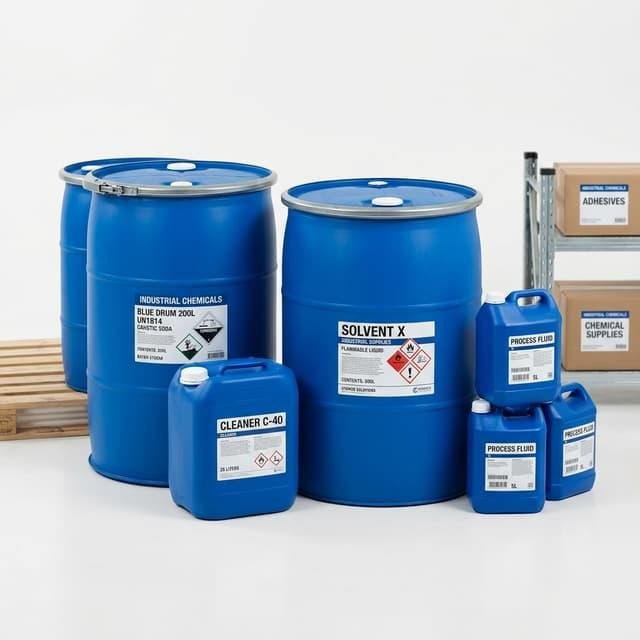
A small pesticide bottle and a large industrial chemical drum have different venting requirements. Larger containers generally require higher airflow capacity because they contain more air volume and may experience greater pressure changes.
| Container Type | Typical Applications |
|---|---|
| Small bottles | Pesticides, fertilizers, specialty chemicals |
| Jerry cans | Agricultural and industrial liquids |
| Medium containers | Lubricants and chemical products |
| Large drums | Industrial chemical packaging |
The correct vent plug should be selected according to the complete packaging system rather than only the physical opening size.
2. Required Airflow Performance
Airflow performance is one of the most important factors when selecting an ePTFE vent plug. The vent must provide sufficient gas exchange to balance pressure changes inside the container.
A vent with insufficient airflow may not release pressure quickly enough, while an oversized vent may increase cost without improving packaging performance.
The required airflow depends on several application conditions:
- Container volume and headspace
- Temperature fluctuation range
- Internal vapor generation
- Filling and emptying process
- Transportation environment
- Required pressure equalization speed
For engineers selecting a suitable vent solution, Ventrase provides technical documents including airflow performance data, dimensions and application recommendations through the:
Ventrase Technical Resource Center .
Airflow testing is usually evaluated together with waterproof performance and chemical resistance to ensure the vent can perform reliably in real applications.
3. Chemical Compatibility
Chemical compatibility is a critical consideration for any chemical packaging vent plug.
During operation, the vent component may contact different chemical formulations, including:
- Pesticides
- Herbicides
- Fertilizers
- Lubricants
- Cleaning chemicals
- Industrial liquid chemicals
A complete compatibility evaluation should consider:
- Chemical composition
- Concentration level
- Exposure duration
- Operating temperature
- Membrane material
- Housing material
- Sealing structure
ePTFE is widely selected for demanding applications because of its excellent chemical stability and temperature resistance.
Learn more about the material characteristics of expanded PTFE: ePTFE Membrane Technology and Material Properties .
4. Waterproof Performance
A high-performance vent plug must achieve a balance between two requirements:
| Requirement | Function |
|---|---|
| Gas exchange | Allows air and vapor movement |
| Waterproof protection | Blocks liquid water and moisture intrusion |
This combination is the key advantage of ePTFE waterproof breathable membrane technology.
During transportation and storage, chemical containers may experience:
- Rain exposure
- High humidity environments
- Outdoor storage conditions
- Temperature cycling
- Pressure changes
The microporous structure of ePTFE allows air molecules to pass while preventing liquid water penetration.
Read more about waterproof breathable technology: How ePTFE Membrane Provides Waterproof and Breathable Protection .
5. Installation Method
The installation design is another important factor when selecting a venting solution.
Different packaging systems may require different structures, including:
Press-Fit ePTFE Vent Plug
A press-fit vent plug is installed directly into a prepared opening on a container or closure.
Advantages include:
- Simple installation process
- Compact design
- Suitable for automated production
- Reliable pressure equalization performance
Ventrase provides technical specifications for press-fit vent plugs, including dimensions, airflow performance and application information:
Press-Fit ePTFE Vent Plug Technical Datasheets .
Vent Liner Solution
Vent liners integrate breathable membrane technology into bottle caps or closure systems.
They are commonly used for:
- Chemical bottles
- Agricultural packaging
- Liquid containers
- Industrial packaging systems
Ventrase technical resources include information about vent liners, breathable membranes and different venting structures.
Customized ePTFE Venting Solution
For special applications, the vent structure can be customized according to:
- Container design
- Airflow requirements
- Installation method
- Chemical environment
- Operating conditions
Ventrase supports customized ePTFE venting solutions for industrial packaging, electronics protection and other pressure-sensitive applications.
6. Pressure and Vacuum Conditions
Chemical containers may experience both positive pressure and negative pressure during their lifecycle.
Positive Pressure
Positive pressure may occur when:
- Temperature increases
- Internal gas expands
- Chemical vapor is generated
- Containers are transported through hot environments
Vacuum Formation
Negative pressure may occur when:
- Temperature decreases
- Liquid is removed from the container
- Internal gases contract
- Transportation altitude changes
A properly selected pressure equalization vent helps reduce pressure differences and protects container integrity.
7. Operating Temperature Range
Temperature changes can significantly affect container pressure. Chemical packaging may experience different conditions during filling, warehouse storage, transportation and final use.
When selecting an ePTFE vent plug, engineers should evaluate:
- Minimum operating temperature
- Maximum operating temperature
- Temperature cycling conditions
- Long-term environmental exposure
The membrane, housing and sealing materials should maintain stable performance throughout the expected operating environment.
How to Choose the Right Vent Plug Size
Selecting a vent plug only according to the physical opening size is not recommended. The correct solution should be based on the complete packaging system.
- Determine container volume: Evaluate container size and internal headspace.
- Identify chemical properties: Understand possible vapor generation and compatibility requirements.
- Define pressure conditions: Estimate pressure and vacuum changes during transportation.
- Select airflow performance: Choose suitable venting capacity.
- Confirm waterproof requirements: Consider environmental exposure.
- Evaluate materials: Verify chemical and temperature resistance.
- Select installation method: Choose suitable vent structure.
Common Applications of ePTFE Vent Plugs
ePTFE vent plugs are widely used in applications where packaging systems require both pressure balance and environmental protection.
Typical applications include chemical packaging, agricultural containers, industrial drums, battery systems and electronic equipment protection.
Agrochemical Packaging
Agrochemical containers often face pressure changes caused by temperature variation and chemical vapor generation.
An appropriate agrochemical packaging vent can help reduce container deformation and improve packaging reliability during storage and transportation.
Typical applications include:
- Pesticide bottles
- Herbicide containers
- Fungicide packaging
- Liquid fertilizer containers
Learn more about real application examples: Preventing Leakage in Agrochemical Bottle Packaging with ePTFE Vent Membranes .
Chemical Packaging
Chemical containers require reliable sealing while allowing controlled gas exchange.
ePTFE venting solutions are suitable for:
- Industrial chemical containers
- Cleaning chemical packaging
- Specialty liquid containers
- Chemical transportation packaging
The combination of waterproof protection, chemical resistance and pressure balance makes ePTFE a suitable material for demanding chemical packaging applications.
Industrial Drum Applications
Large-volume containers and industrial drums may require higher airflow capacity because of their larger internal volume.
Applications include:
- Industrial chemical drums
- Lubricant containers
- Large liquid storage packaging
- Bulk chemical transportation containers
For technical specifications, airflow data and venting performance information, visit: Ventrase Technical Datasheets .
Battery and Electronic Equipment Protection
Beyond chemical packaging, ePTFE vent technology is also widely used in battery systems and electronic equipment where pressure equalization and waterproof protection are required.
Typical applications include:
- Battery enclosures
- Outdoor electronic equipment
- Industrial sensors
- Precision equipment housings
Learn more about advanced ePTFE applications: Ventrase ePTFE Technology Center .
ePTFE Vent Plug Selection Checklist
Before contacting a vent manufacturer, preparing the following information can improve product selection accuracy and shorten development time.
| Item | Information Required |
|---|---|
| Container volume | Size, capacity and internal headspace |
| Chemical product | Formula type and chemical characteristics |
| Container material | Plastic, metal or other materials |
| Airflow requirement | Required venting performance |
| Pressure conditions | Expected pressure and vacuum changes |
| Environment | Temperature, humidity and transportation conditions |
| Installation | Plug, liner or customized structure |
Ventrase ePTFE Venting Solutions
Ventrase specializes in the development and manufacturing of ePTFE vent plugs, breathable membranes and pressure equalization solutions for industrial packaging applications.
Our solutions are designed to support:
- Chemical packaging manufacturers
- Agrochemical companies
- Industrial container suppliers
- Battery system manufacturers
- Electronic equipment companies
Ventrase provides:
- ePTFE membrane technology support
- Vent performance evaluation
- Customized vent development
- Application testing assistance
- Technical documentation support
Explore Ventrase technical information and product specifications: ePTFE Vent Plug Technical Resources .
Why Choose ePTFE Venting Instead of a Fully Sealed Container?
A fully sealed container can effectively prevent leakage, but it cannot automatically manage internal pressure changes.
An ePTFE vent plug adds a controlled breathing function, allowing the container to balance pressure while maintaining protection from water and contaminants.
| Feature | Traditional Sealed Closure | ePTFE Venting Solution |
|---|---|---|
| Liquid sealing | Yes | Yes |
| Air exchange | No | Yes |
| Pressure equalization | Limited | Yes |
| Waterproof protection | Yes | Yes |
| Suitable for pressure-sensitive packaging | Limited | Recommended |
Conclusion
Selecting the right ePTFE vent plug for chemical packaging requires understanding the complete packaging system rather than choosing a vent only by size.
Important selection factors include:
- Container volume
- Airflow requirements
- Chemical compatibility
- Waterproof performance
- Installation method
- Pressure and vacuum conditions
- Operating temperature
A properly designed ePTFE venting system helps maintain pressure balance while protecting chemical containers from water, contamination and transportation stress.
Ventrase provides customized ePTFE vent plug and breathable membrane solutions for chemical packaging, agrochemical containers, industrial drums and other pressure-sensitive applications.
Need help selecting the right venting solution?
Contact Ventrase for technical consultation and sample support:
Request ePTFE Vent Plug Samples
Frequently Asked Questions
What is an ePTFE vent plug?
An ePTFE vent plug is a venting component using expanded PTFE membrane technology to allow gas exchange while preventing liquid penetration.
Why do chemical containers need vent plugs?
Chemical containers may experience pressure changes caused by temperature variation or vapor generation. A vent plug helps balance internal and external pressure.
Is ePTFE waterproof?
Yes. The microporous structure of ePTFE allows air transmission while resisting liquid water penetration, creating a waterproof breathable membrane.
How do I select the right vent plug?
Selection depends on container volume, chemical compatibility, airflow requirement, waterproof performance, installation method and operating environment.