
What Is a Breather Vent? How ePTFE Breather Vent Plugs Protect Sealed Containers
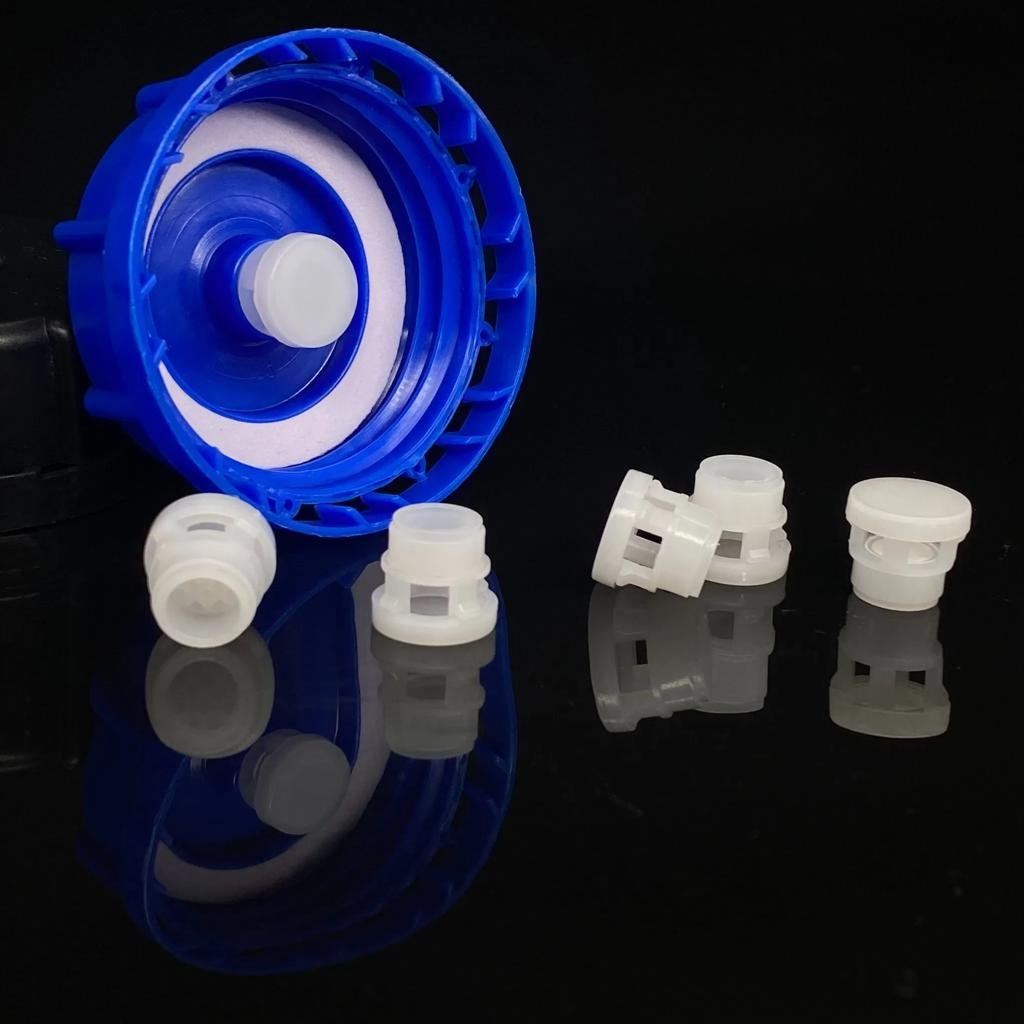
A sealed container may look completely secure, but pressure can build up inside during storage, transportation, filling, or temperature changes. Without a controlled way to exchange air and gases, the container may swell, deform, leak, or even suffer sealing failure.
A breather vent provides a controlled pathway for air and gas exchange while helping prevent water, liquids, dust, and other contaminants from entering the container.
For demanding industrial and chemical packaging applications, ePTFE breather vent plugs are widely used because they combine pressure equalization, waterproof protection, breathability, and chemical resistance.
What Is a Breather Vent?
A breather vent is a component that allows controlled gas exchange between the inside and outside of a sealed container or enclosure.
Unlike an open vent, a breather vent is designed to maintain protection against environmental contamination while allowing pressure to equalize.
Depending on the application, a breather vent may be installed on:
- Chemical containers
- Agrochemical bottles
- Fertilizer containers
- Lubricant packaging
- Industrial drums
- Electronic enclosures
- Battery housings
- Outdoor equipment
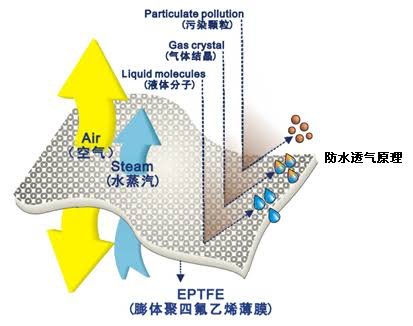
The basic principle is simple: air and gas can pass through the vent, while liquids and contaminants are blocked.
Why Do Sealed Containers Need Breathing?
A completely sealed container does not always remain at the same internal pressure.
Several factors can cause pressure changes:
Temperature Changes
When a container is exposed to higher temperatures, the air and gases inside can expand. Cooling can have the opposite effect and create negative pressure.
During transportation and storage, repeated temperature changes may cause continuous pressure fluctuations.
Chemical Reactions
Some chemical products can release gases during storage. If these gases cannot escape, internal pressure can increase.
This is particularly important for agrochemical and chemical packaging.
Transportation and Altitude Changes
Containers transported by air, road, rail, or sea may experience changes in temperature and atmospheric pressure.
A pressure difference between the inside and outside of the container can place stress on the bottle, cap, liner, or sealing system.
Filling and Emptying
Industrial containers may also experience pressure changes when they are filled, discharged, or handled.
A properly selected breather vent can help manage these pressure differences.
How Does an ePTFE Breather Vent Work?
An ePTFE breather vent uses a microporous expanded PTFE membrane as the functional venting layer.
The membrane contains a large number of microscopic pores. These pores provide a controlled path for air and gas exchange while the hydrophobic structure helps prevent liquid water from passing through.
A typical ePTFE breather vent performs several functions at the same time:
| Function | Purpose |
|---|---|
| Air exchange | Allows gases to move through the membrane |
| Pressure equalization | Reduces pressure differences inside and outside the container |
| Waterproof protection | Helps prevent liquid water from entering |
| Contaminant protection | Helps reduce dust and environmental contamination |
| Chemical resistance | Supports demanding chemical packaging applications |
This combination makes ePTFE particularly useful when a container needs to breathe without becoming an open container.
Breather Vent vs. Open Vent
An open hole may provide excellent airflow, but it also allows water, dust, and other contaminants to enter.
A breather vent is designed to provide a controlled ventilation pathway.
| Feature | Open Vent | ePTFE Breather Vent |
|---|---|---|
| Air exchange | Yes | Yes |
| Pressure equalization | Yes | Yes |
| Waterproof protection | No | Yes |
| Dust protection | Limited | Better |
| Liquid protection | No | Yes |
| Controlled airflow | No | Yes |
| Suitable for sealed packaging | Limited | Yes |
For industrial packaging, the objective is not simply to create an opening. The goal is to control gas exchange while maintaining product protection.
Why Use ePTFE for Breather Vents?
Expanded PTFE has a unique microporous structure that makes it suitable for waterproof breathable applications.
1. Waterproof and Breathable
A hydrophobic ePTFE membrane can allow air and gas transmission while resisting liquid penetration.
This is one of the most important advantages of ePTFE breather vents.
2. Pressure Equalization
The membrane creates a controlled pathway for gas exchange.
This can help reduce excessive pressure differences that may contribute to:
- Container swelling
- Bottle deformation
- Cap leakage
- Vacuum deformation
- Seal stress
3. Chemical Resistance
Chemical packaging can expose venting components to aggressive liquids and vapors.
ePTFE offers strong chemical resistance and is therefore suitable for many industrial and chemical packaging applications.
However, final material compatibility should always be evaluated against the specific chemical formulation, concentration, temperature, and exposure time.
4. Long-Term Venting Performance
A breather vent is often expected to work throughout the product’s storage and transportation life.
The membrane, housing, bonding method, and installation structure all influence long-term performance.
Where Are Breather Vent Plugs Used?
Chemical Packaging
Chemical containers may experience pressure changes caused by temperature fluctuations or gas generation.
An ePTFE breather vent can help maintain pressure balance while reducing the risk of liquid leakage and environmental contamination.
Agrochemical Packaging
Pesticides, herbicides, fungicides, and fertilizers can create demanding packaging conditions.
Breather vents can help prevent excessive pressure buildup and reduce packaging deformation.
For these applications, chemical compatibility and liquid resistance are especially important.
Industrial Drums
Large containers can experience significant pressure changes during storage and transportation.
Heavy-duty vent plugs can provide controlled pressure equalization without leaving the container completely open.
Lubricant Packaging
Lubricants and industrial fluids may require pressure management during transportation and storage.
A suitable vent plug can provide gas exchange while helping protect the contents from external contamination.
Electronics and Sealed Enclosures
Breather vents are not limited to packaging.
Electronic housings and outdoor equipment may also need to equalize pressure while protecting internal components from water and environmental contaminants.
How to Choose the Right Breather Vent
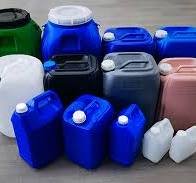
Selecting a breather vent should be based on the complete application rather than vent diameter alone.
Consider the following factors.
1. Container Volume
Larger containers may require higher airflow capacity.
For example, Ventrase offers different vent plug models for different container sizes and airflow requirements, including D10, D15, D17, and D38 solutions.
2. Required Airflow
Airflow determines how quickly pressure can be equalized.
A vent with insufficient airflow may not respond quickly enough to pressure changes.
However, maximum airflow is not always the best choice. The vent should provide the appropriate balance between airflow, waterproof performance, and protection.
3. Liquid and Chemical Compatibility
The vent must be compatible with the contents of the container.
Important factors include:
- Chemical composition
- Concentration
- Temperature
- Exposure time
- Vapor characteristics
For chemical and agrochemical packaging, compatibility testing is particularly important.
4. Installation Method
Breather vents can be designed for different installation methods, including press-fit and other customized structures.
The vent housing must match the container material, hole diameter, wall thickness, and installation process.
5. Waterproof Performance
If the container will be exposed to rain, washing, condensation, or outdoor environments, waterproof performance becomes a critical requirement.
The membrane and vent structure should be evaluated together rather than considering the membrane alone.
ePTFE Breather Vent Plug vs. Breather Vent Liner
Breather vent plugs and vent liners solve similar pressure-management problems but are designed for different packaging structures.
A vent plug is typically installed through a dedicated opening in the container or cap.
A vent liner is integrated into the sealing system of a bottle or cap and can provide breathable sealing.
The right solution depends on the container design, available installation space, required airflow, sealing structure, and production process.
For packaging manufacturers, selecting the correct vent architecture early in the design stage can help avoid costly changes later.
What Happens If a Container Does Not Have a Breather Vent?
A fully sealed container may experience several problems when internal pressure cannot equalize.
Potential problems include:
- Container swelling
- Bottle deformation
- Cap leakage
- Seal failure
- Vacuum collapse
- Product leakage
- Packaging damage during transportation
The severity depends on the container material, product formulation, temperature range, pressure variation, and storage conditions.
A breather vent is therefore not simply an accessory. In some applications, it is an important part of the overall packaging system.
How Ventrase Breather Vent Plugs Work
Ventrase develops ePTFE vent plugs and breathable membrane solutions for chemical packaging, agrochemical containers, industrial packaging, electronics, battery systems, and other demanding applications.
The Ventrase vent plug range includes:
- D10 Press-Fit ePTFE Vent Plug – compact applications
- D15 Press-Fit ePTFE Vent Plug – general packaging applications
- D17 Press-Fit ePTFE Vent Plug – applications requiring higher airflow
- D38 Drum ePTFE Vent Plug – larger industrial containers and drums
Ventrase also provides customized vent plug development, membrane selection, airflow analysis, and application-specific venting solutions.
Explore Ventrase ePTFE Vent Plugs
Frequently Asked Questions
What is a breather vent?
A breather vent is a component that allows controlled air and gas exchange while helping prevent liquids and contaminants from entering a sealed container or enclosure.
What is an ePTFE breather vent?
An ePTFE breather vent uses a microporous expanded PTFE membrane to provide controlled gas exchange, pressure equalization, and waterproof protection.
Are breather vents waterproof?
Many ePTFE breather vents are designed to resist liquid water penetration while allowing air and gas transmission. Actual waterproof performance depends on the membrane, vent structure, installation, and test conditions.
Do chemical containers need breather vents?
Some chemical containers can benefit significantly from breather vents, especially when temperature changes or gas generation can cause internal pressure changes. The need should be evaluated according to the chemical product and packaging design.
How do I select the right breather vent?
Consider container volume, airflow requirement, pressure range, chemical compatibility, waterproof performance, installation method, and operating temperature.
What is the difference between a breather vent and a vent plug?
A breather vent describes the general function of controlled gas exchange. A vent plug is a specific physical component used to provide that function, often installed in a container or enclosure.
Conclusion
A breather vent provides a simple but important function: allowing a sealed container to breathe without sacrificing protection.
For applications exposed to pressure changes, temperature fluctuations, chemical vapors, or transportation conditions, an ePTFE breather vent can provide a practical combination of airflow, pressure equalization, waterproof protection, and chemical resistance.
The correct vent should always be selected according to the actual application, including container size, required airflow, chemical compatibility, waterproof requirements, and installation conditions.
Ventrase provides ePTFE breather vent plugs, vent liners, and custom breathable membrane solutions for industrial and packaging applications.
If you are developing a new container or experiencing swelling, leakage, vacuum deformation, or pressure-related packaging problems, contact Ventrase engineers to evaluate your venting requirements and identify a suitable solution.