
Introduction: Why Chemical Containers Need Proper Venting
Chemical packaging containers often face pressure changes during transportation, storage, and temperature fluctuations.
Products such as pesticides, fertilizers, lubricants, cleaning chemicals, and industrial liquids may generate internal pressure or vacuum conditions inside sealed containers.
Without a reliable venting solution, pressure imbalance can cause:
- Container deformation
- Cap damage
- Leakage risks
- Reduced packaging reliability
An ePTFE vent plug provides controlled air exchange while preventing liquid leakage, helping containers maintain stable internal pressure.
Ventrase develops waterproof breathable venting solutions designed for chemical packaging, industrial containers, and demanding applications.
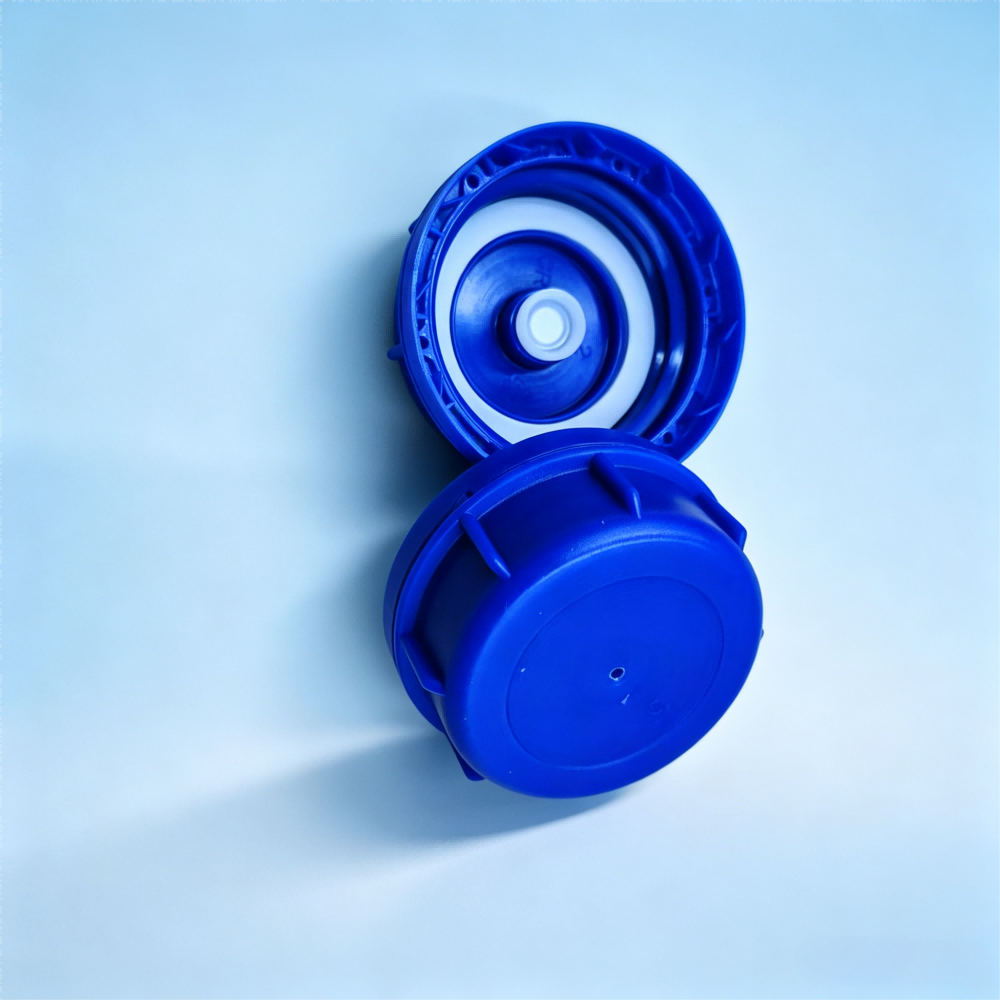
What Is an ePTFE Vent Plug?
An ePTFE vent plug combines a plastic housing with an expanded PTFE (ePTFE) membrane.
The membrane contains a microporous structure that allows:
- Air molecules to pass through
- Internal pressure to equalize
- Water and liquid contaminants to be blocked
This makes ePTFE technology ideal for applications requiring both breathability and waterproof protection.
Compared with traditional sealed packaging, a vented container can better manage pressure changes caused by:
- Temperature variation
- Altitude changes during transportation
- Chemical vapor generation
- Internal gas expansion
Why Chemical Packaging Requires Pressure Equalization
Chemical containers are often exposed to harsh environments.
During transportation, temperature increases can cause gases inside the container to expand.
For example:
A sealed pesticide bottle placed in a hot environment may experience increasing internal pressure.
This pressure can lead to:
- Bottle swelling
- Seal stress
- Leakage around the cap
- Packaging failure
An ePTFE vent plug provides a controlled pathway for gas exchange while maintaining liquid protection.
Key Factors When Selecting an ePTFE Vent Plug
1. Container Size and Internal Volume
The first factor is container volume.
Small bottles and large industrial drums require different airflow capacities.
Typical applications:
| Container Type | Recommended Vent Solution |
|---|---|
| Small chemical bottles | Press-fit vent plug |
| Medium containers | Snap-in ePTFE vent plug |
| Large drums | Drum vent plug |
For large industrial packaging, products such as Ventrase D38 Drum Vent Plug are designed for higher airflow requirements.
2. Airflow Performance
Airflow determines how quickly pressure can equalize.
A vent with insufficient airflow may not effectively control pressure changes.
Important parameters include:
- Air permeability
- Pressure difference
- Container volume
- Gas generation rate
Engineers should select vent performance based on actual application requirements instead of choosing only by size.
3. Waterproof Protection
Chemical packaging requires protection against:
- Rain
- Cleaning processes
- Humidity
- Liquid splashing
The hydrophobic structure of ePTFE membranes allows gas transmission while preventing liquid penetration.
This waterproof breathable performance is one of the main advantages of ePTFE vent technology.
4. Chemical Compatibility
Different chemicals require different membrane materials.
Applications include:
- Agrochemical packaging
- Fertilizer containers
- Lubricant bottles
- Industrial chemical drums
The vent material must resist chemical exposure and maintain long-term performance.
ePTFE Vent Plug vs Traditional Sealing Methods
| Feature | Traditional Seal | ePTFE Vent Plug |
|---|---|---|
| Pressure balance | Limited | Excellent |
| Air exchange | No | Yes |
| Waterproof protection | Yes | Yes |
| Chemical packaging suitability | Medium | High |
| Leakage prevention | Limited | Improved |
The advantage of an ePTFE vent plug is combining sealing protection with controlled ventilation.
Recommended Ventrase Venting Solutions
D17 Press Fit ePTFE Vent Plug
The D17 vent plug is suitable for compact packaging applications requiring reliable pressure equalization.
Applications:
- Chemical bottles
- Industrial containers
- Small liquid packaging
D38 Drum ePTFE Vent Plug
For larger containers, drum vent plugs provide higher airflow capability.
Applications:
- Chemical drums
- Industrial liquid containers
- Large packaging systems
How Ventrase Supports Custom Vent Solutions
Every container design has different requirements.
Ventrase provides:
- Customized vent dimensions
- Different airflow levels
- Material selection support
- OEM vent solutions
Engineers can select suitable products based on:
- Container volume
- Chemical environment
- Pressure requirements
- Installation method
Technical specifications and product resources are available through the Ventrase Technical Resource Center.
Frequently Asked Questions
What is an ePTFE vent plug?
An ePTFE vent plug is a waterproof breathable component using expanded PTFE membrane technology to allow gas exchange while preventing liquid penetration.
Why are vent plugs used in chemical containers?
Vent plugs help balance internal and external pressure, reducing deformation and leakage risks during storage and transportation.
Can ePTFE vent plugs resist chemicals?
Yes. ePTFE membranes are widely used in industrial applications because of their excellent chemical stability.
How do I select the right vent plug?
Selection depends on container size, airflow requirement, chemical compatibility, and environmental conditions.
Conclusion
Choosing the correct ePTFE vent plug is important for improving chemical packaging safety and reliability.
A properly selected waterproof breathable vent solution can help prevent pressure-related failures while maintaining container protection.
Ventrase provides professional ePTFE vent plugs, breathable membranes, and industrial venting solutions for global packaging manufacturers.