
Introduction
Chemical packaging requires more than just a strong container and reliable sealing system.
Many liquid products such as pesticides, fertilizers, cleaning chemicals, lubricants, and industrial fluids can create pressure changes during storage and transportation.
When containers are completely sealed, pressure buildup may cause:
- Bottle swelling
- Cap deformation
- Leakage risks
- Packaging failure
To solve these problems, manufacturers usually choose between two common venting solutions:
- Plastic Vent Plug
- Vent Liner
Both solutions provide pressure equalization, but their designs, installation methods, and application advantages are different.
Understanding the difference helps packaging engineers select the most suitable venting technology.
What Is a Plastic Vent Plug?
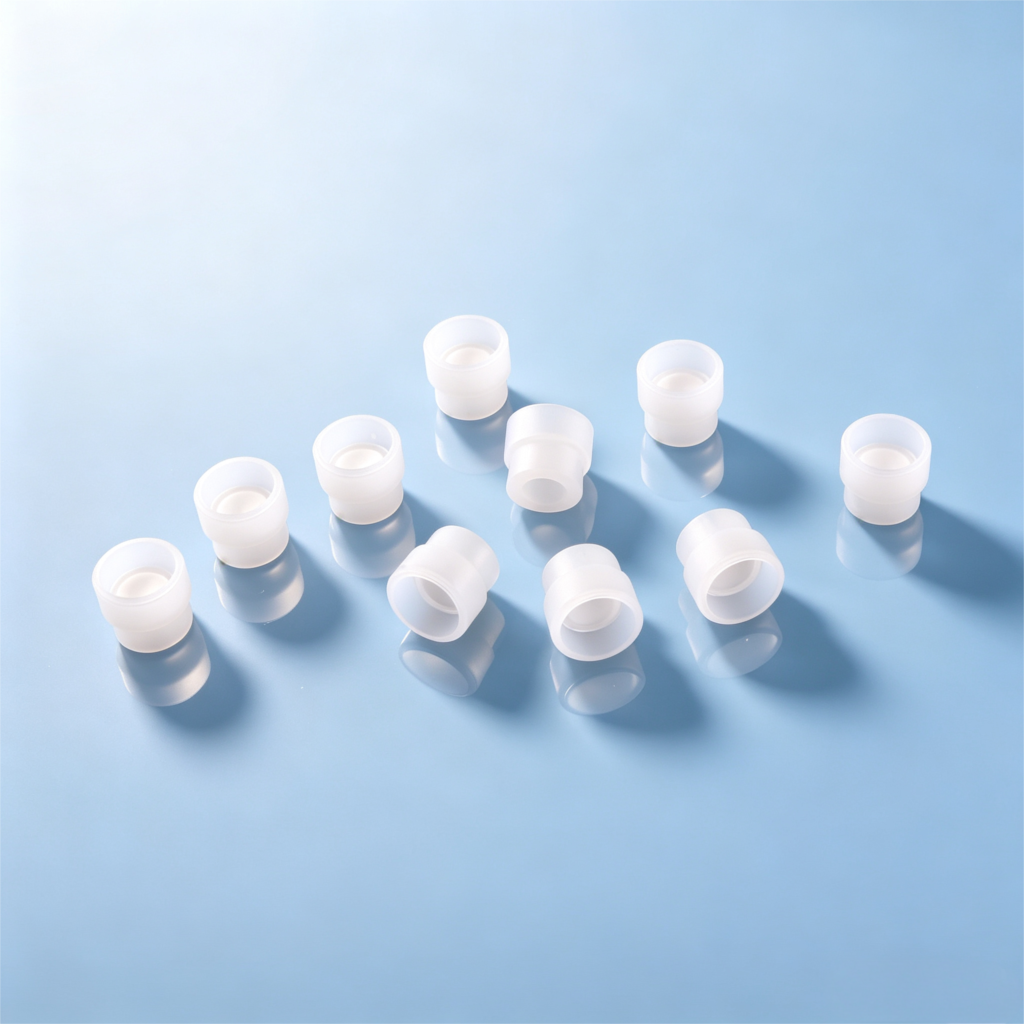
A plastic vent plug is a standalone venting component that contains an ePTFE membrane integrated into a plastic housing.
The vent plug is installed directly into a container or packaging structure.
The ePTFE membrane allows:
- Gas transmission
- Pressure equalization
- Moisture protection
- Liquid blocking
Typical plastic vent plug applications include:
- Chemical containers
- Agrochemical bottles
- Industrial drums
- Electronic enclosures
- Outdoor equipment
Ventrase provides different vent plug designs including press-fit and snap-in solutions for various packaging requirements.
What Is a Vent Liner?
A vent liner is a membrane-based sealing component installed inside a bottle cap or closure.
It is usually made with:
- ePTFE membrane
- PE foam
- EPE material
- Aluminum foil structure
The liner works together with the cap system to provide breathable sealing.
Common applications include:
- Chemical bottle caps
- Pesticide packaging
- Fertilizer containers
- Lubricant bottles
- Household chemical packaging
Unlike a plastic vent plug, a vent liner becomes part of the closure system.
Plastic Vent Plug vs Vent Liner: Key Differences
| Feature | Plastic Vent Plug | Vent Liner |
|---|---|---|
| Installation | Installed as independent component | Installed inside cap |
| Structure | Plastic housing + membrane | Membrane liner material |
| Replacement | Easy replacement | Usually replaced with cap |
| Airflow control | High flexibility | Depends on liner design |
| Application | Bottles, drums, equipment | Bottle caps and closures |
| Customization | High | Medium |
| Assembly process | Additional installation | Integrated into cap production |
1. Installation Method
Plastic Vent Plug
Plastic vent plugs are installed through:
- Press-fit installation
- Snap-in installation
- Threaded installation
Advantages:
- Flexible positioning
- Suitable for different container designs
- Easy product customization
For example, Ventrase D10, D15, and D17 vent plugs are designed for different installation requirements.
Vent Liner
Vent liners are placed inside caps during the closure manufacturing process.
The liner is usually sealed by:
- Heat induction
- Compression
- Mechanical sealing
Advantages:
- Simple cap assembly
- Suitable for high-volume bottle production
- No additional vent hole design required
2. Pressure Equalization Performance
Both solutions use breathable membrane technology to balance pressure.
However, performance depends on:
- Membrane area
- Air permeability
- Container volume
- Pressure generation speed
For large containers or applications requiring higher airflow, plastic vent plugs often provide more design flexibility.
For small chemical bottles, vent liners can provide an efficient integrated solution.
3. Waterproof and Chemical Protection
Chemical packaging must prevent liquid leakage while allowing gas exchange.
High-quality ePTFE membranes provide:
- Hydrophobic protection
- Chemical resistance
- Long-term stability
The microporous structure allows air molecules to pass while blocking liquids.
This makes ePTFE suitable for:
- Agrochemical packaging
- Industrial chemicals
- Cleaning products
- Lubricants
Learn more about ePTFE membrane technology:
Internal link:
https://ventrase.com/technology/eptfe-membrane/Anchor text:
ePTFE waterproof breathable membrane technology
4. Application Comparison
Plastic Vent Plug Applications
Plastic vent plugs are commonly used for:
Large Chemical Containers
Examples:
- Chemical drums
- Industrial containers
- Fertilizer tanks
Advantages:
- Higher airflow capability
- Strong mechanical protection
- Custom installation options
Special Industrial Applications
Examples:
- Battery systems
- Electronic enclosures
- Outdoor equipment
Vent Liner Applications
Vent liners are commonly used for:
Small and Medium Bottles
Examples:
- Pesticide bottles
- Cleaning product bottles
- Lubricant bottles
Advantages:
- Compact design
- Easy integration into caps
- Cost-effective for mass production
Which Solution Is Better for Chemical Packaging?
The answer depends on the packaging design.
Choose Plastic Vent Plug When:
✔ Container requires higher airflow
✔ Independent vent installation is needed
✔ Container size is medium or large
✔ Harsh environments are expected
✔ Customized vent solutions are required
Choose Vent Liner When:
✔ Bottle cap integration is preferred
✔ Production volume is very high
✔ Existing cap design is fixed
✔ Compact sealing solution is needed
Ventrase Chemical Packaging Vent Solutions
Ventrase provides both vent plug and vent liner solutions for global packaging manufacturers.
ePTFE Vent Plug Solutions
Recommended for:
- Chemical drums
- Industrial containers
- Large liquid packaging
Products:
- D10 Press Fit Vent Plug
- D15 ePTFE Vent Plug
- D17 Snap-in Vent Plug
- D38 Drum Vent Plug
Vent Liner Solutions
Recommended for:
- Chemical bottles
- Pesticide packaging
- Bottle cap applications
Available options:
- Aluminum Foil Vent Liner
- PE Foam Vent Liner
- EPE Vent Liner
How to Select the Right Chemical Packaging Vent?
Before choosing a vent solution, consider:
1. Container Size
Small bottles and large drums require different airflow levels.
2. Chemical Compatibility
The membrane material must withstand the stored liquid.
3. Installation Method
Consider existing bottle and cap production processes.
4. Required Airflow
Select based on pressure generation and container volume.
5. Environmental Conditions
Consider:
- Temperature changes
- Transportation conditions
- Outdoor exposure
Frequently Asked Questions
Are plastic vent plugs better than vent liners?
Neither solution is universally better. Plastic vent plugs provide more flexibility and higher customization, while vent liners are ideal for integrated bottle cap applications.
Can vent liners prevent chemical leakage?
Yes. Properly designed vent liners using waterproof breathable membranes can allow gas exchange while preventing liquid leakage.
What is the difference between an ePTFE vent plug and a vent liner?
An ePTFE vent plug is an independent vent component, while a vent liner is installed inside a container closure.
Which vent solution is suitable for pesticide bottles?
Both can be used. Small pesticide bottles often use vent liners, while larger containers may benefit from plastic vent plugs.
Conclusion
Plastic vent plugs and vent liners are both effective solutions for chemical packaging pressure management.
The correct choice depends on:
- Container design
- Production process
- Required airflow
- Chemical environment
Ventrase provides customized waterproof breathable vent solutions, including ePTFE vent plugs and vent liners, helping packaging manufacturers improve safety, reliability, and performance.