
What Is an ePTFE Vent Plug and How Does It Work?
An ePTFE vent plug is a waterproof breathable component designed to allow air and gas exchange while helping prevent liquid penetration. It is widely used in chemical packaging, agrochemical containers, industrial drums, and other applications where pressure changes can affect container performance.
When a container is sealed, temperature changes, altitude variations, or chemical reactions may create pressure differences between the inside and outside of the container. Without proper pressure management, these differences can contribute to bottle swelling, deformation, leakage, or sealing problems.
An ePTFE vent plug provides a controlled pathway for gas exchange. By combining a microporous expanded polytetrafluoroethylene membrane with a suitable housing, it helps maintain pressure balance while providing protection against liquid intrusion.

An ePTFE vent plug combines a breathable membrane with a protective housing.
1. What Is an ePTFE Vent Plug?
An ePTFE vent plug is a pressure equalization component that uses a microporous membrane made from expanded polytetrafluoroethylene (ePTFE).
The membrane contains a network of microscopic pores that allows air and other gases to pass through. When properly designed and selected, the membrane can resist liquid penetration while maintaining gas permeability.
A typical ePTFE vent plug consists of two main components:
Microporous ePTFE Membrane
The membrane is the functional core of the vent plug. Its microporous structure allows gas exchange while providing a barrier against water and other liquids, depending on the membrane properties and application conditions.
Protective Housing
The housing supports the membrane and provides a mechanical interface for installation into a container, cap, or enclosure. Common housing materials include engineered plastics selected according to the application.
The complete assembly must be designed to provide suitable airflow, liquid protection, mechanical retention, and sealing performance.
2. How Does an ePTFE Vent Plug Work?
The working principle of an ePTFE vent plug is based on pressure equalization through a microporous membrane.
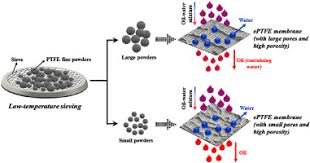
Gas exchange through a microporous membrane helps equalize internal and external pressure.
Step 1: Pressure Changes Inside the Container
Pressure differences may develop when a container experiences temperature fluctuations, changes in altitude, or chemical processes that generate or consume gas.
For example, a chemical container transported through different temperature conditions may experience changes in internal pressure.
Step 2: Gas Passes Through the Membrane
When a pressure difference develops, air or other compatible gases move through the membrane in response to the pressure gradient.
This gas exchange helps reduce the pressure difference between the inside and outside of the container.
Step 3: Liquid Protection Is Maintained
The hydrophobic properties and microporous structure of a suitable ePTFE membrane help resist liquid penetration.
This allows the vent plug to support pressure management without requiring the container to remain completely open to the surrounding environment.
Step 4: Pressure Equalization Continues
As environmental conditions change, the membrane continues to support gas exchange in response to pressure differences.
The actual performance depends on the membrane specification, airflow capacity, liquid properties, installation design, and operating conditions.
3. Why Do Industrial Containers Need ePTFE Vent Plugs?
Many industrial containers are designed to be tightly sealed to protect their contents. However, a sealed container may experience pressure changes during storage, filling, handling, and transportation.
An appropriately selected vent plug can help address several common packaging challenges.
Prevent Container Swelling
Internal pressure may increase due to temperature changes or gas generation. Pressure equalization can help reduce the risk of container swelling and deformation.
Reduce Vacuum Deformation
When internal pressure decreases, flexible containers may experience inward deformation. A suitable vent plug can allow gas to enter and help reduce the pressure difference.
Support Packaging Integrity
Pressure differences may place additional stress on closures and seals. Proper venting can help reduce this stress and support packaging reliability.
Help Reduce Leakage Risks
In suitable applications, pressure equalization combined with appropriate liquid protection can help reduce packaging problems associated with pressure fluctuations.
For more information, read our guide: How ePTFE Vent Plugs Prevent Container Swelling .
4. Main Benefits of ePTFE Vent Plugs
| Feature | Benefit | Application Value |
|---|---|---|
| Gas permeability | Supports pressure equalization | Helps reduce pressure-related deformation |
| Hydrophobic membrane | Resists water penetration | Supports waterproof breathable protection |
| Chemical resistance | Suitable for many demanding environments | Supports industrial packaging applications |
| Compact structure | Can be integrated into different packaging designs | Supports flexible product design |
| Continuous gas exchange | Responds to pressure differences | Helps manage changing operating conditions |
These benefits depend on selecting the correct membrane, housing material, and vent structure for the intended application. Performance should be verified under the actual operating conditions.
5. Common Applications of ePTFE Vent Plugs
Chemical Packaging
Chemical containers may experience pressure variations during storage and transportation. ePTFE vent plugs can help manage these changes while supporting liquid protection.
Typical applications include industrial chemicals, cleaning products, lubricants, and selected specialty liquids.
Explore our Chemical Packaging Venting Solutions .
Agrochemical Packaging
Fertilizers, pesticides, and other agricultural chemicals may require controlled gas exchange to help reduce pressure-related packaging problems.
The appropriate vent plug should be selected according to chemical compatibility, container volume, airflow requirements, and transportation conditions.
Explore our Agrochemical Packaging Vent Solutions .
Industrial Drums and Large Containers
Large containers may require greater airflow capacity to manage pressure differences. Dedicated drum vent plugs can provide a suitable solution when designed and tested for the intended container.
Ventrase offers the D38 drum vent plug for selected 60L–150L container applications.
Electronic and Industrial Enclosures
Waterproof breathable venting technology can also be used in electronic and industrial enclosures to help manage pressure changes while protecting internal components from environmental contamination.
Explore our Electronics Venting Solutions .
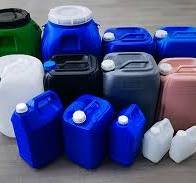
ePTFE vent plugs are used in chemical packaging and other industrial applications requiring pressure management.
6. How to Choose the Right ePTFE Vent Plug
Selecting an ePTFE vent plug requires more than matching the plug diameter to the container. The complete application should be evaluated.
Container Volume
Container size is an important starting point. Small bottles and large industrial drums may require different vent structures and airflow capacities.
Required Airflow
Airflow determines how quickly a vent can exchange gas under a specified pressure difference.
The required airflow depends on the container volume, pressure generation rate, and acceptable pressure difference.
Water Entry Pressure
Water entry pressure describes the pressure at which water begins to penetrate a membrane under defined test conditions.
A suitable vent plug must provide sufficient liquid protection for the intended operating environment.
Chemical Compatibility
The membrane, housing, and other materials must be evaluated against the actual chemical formulation.
Chemical compatibility should not be assumed solely from the use of ePTFE. The complete assembly should be tested where necessary.
Installation Method
Press-fit vent plugs require suitable mounting-hole dimensions and retention design. The installation process must maintain the integrity of the vent assembly.
Explore our ePTFE Vent Plug Selection Guide for more detailed product selection information.
7. D10, D15, D17 and D38 ePTFE Vent Plugs
Ventrase provides different vent plug models for various container sizes and application requirements.
| Model | Typical Application | Selection Consideration |
|---|---|---|
| D10 | Small bottles and compact containers | Compact installation requirements |
| D15 | Medium-size bottles and chemical packaging | Balanced airflow and waterproof protection |
| D17 | Larger bottles and industrial packaging | Higher airflow requirements |
| D38 | Large containers and industrial drums | High-volume pressure management |
The model selection above is a starting point only. Actual selection should be based on tested airflow performance, container design, chemical compatibility, and required liquid protection.
View the complete Ventrase ePTFE Vent Plug Product Range .
8. Frequently Asked Questions
What does ePTFE stand for?
ePTFE stands for expanded polytetrafluoroethylene. It is a microporous material used in waterproof breathable membrane applications.
Is an ePTFE vent plug waterproof?
A properly designed ePTFE vent plug can provide resistance to water penetration while allowing gas exchange. Its waterproof performance depends on the membrane specification, assembly design, and test conditions.
Does an ePTFE vent plug allow liquid to pass through?
A suitable hydrophobic membrane is designed to resist liquid penetration while allowing gases to pass through. Actual performance depends on liquid properties and the operating conditions.
Can ePTFE vent plugs be used for chemical packaging?
Yes. ePTFE vent plugs can be used in many chemical packaging applications. The complete vent assembly must be evaluated for chemical compatibility and the required airflow and liquid protection.
How do I choose the right vent plug size?
Consider container volume, required airflow, pressure generation, chemical compatibility, installation method, and operating conditions. A vent plug manufacturer can help evaluate the application.
Can Ventrase provide customized ePTFE vent plugs?
Ventrase provides engineering support for vent plug selection and customized venting solutions. Contact our team with your container specifications and application requirements.
9. Technical References
For further technical reading about microporous membrane venting and pressure equalization, see:
These references explain general membrane venting principles. Product selection and performance verification should always be based on the specifications and test data for the actual vent assembly.
Looking for an ePTFE Vent Plug Manufacturer?
Ventrase provides waterproof breathable vent plug solutions for chemical packaging, agrochemical containers, industrial drums, and other demanding applications.
Our engineering team can help you evaluate container volume, airflow requirements, membrane performance, chemical compatibility, and installation design.
Request a Vent Plug Solution