
Chemical packaging must remain secure during filling, storage, handling and transportation. However, changes in temperature, altitude and internal gas pressure can cause sealed containers to swell, collapse or leak. These problems can affect product quality and increase transportation risks.
Ventrase provides ePTFE vent plugs and breathable venting solutions designed to help packaging manufacturers manage pressure differences while maintaining liquid protection.

What Is an ePTFE Vent Plug?
An ePTFE vent plug is a venting component that uses expanded polytetrafluoroethylene (ePTFE) membrane technology to allow controlled gas exchange while helping prevent liquid penetration.
The membrane’s microporous structure supports airflow and pressure equalization. When properly selected and installed, an ePTFE vent plug can help protect containers without relying on a completely airtight seal.
Learn more about Ventrase waterproof breathable vent plugs and the available product options.
Why Does Chemical Packaging Need Pressure Equalization?
1. Temperature Changes
Temperature fluctuations during storage and transportation can change the pressure inside a container. Without suitable venting, pressure differences may contribute to bottle swelling, deformation or leakage.
2. Chemical Reactions and Gas Release
Some liquid formulations can release gas or create pressure changes over time. The correct venting design helps manage these changes, depending on the chemical properties and the required airflow.
3. Transportation and Altitude Changes
Air freight, road transportation and changes in environmental conditions can create pressure differences between a container’s interior and exterior. A suitable venting solution helps reduce the risk of package deformation and related sealing problems.
How Does an ePTFE Vent Plug Work?
An ePTFE vent plug creates a controlled gas pathway through a waterproof breathable membrane. When a pressure difference develops, air or gas can pass through the membrane to help restore pressure balance.
- Gas exchange: Allows controlled airflow through the membrane.
- Liquid protection: The hydrophobic membrane helps resist liquid water penetration under specified conditions.
- Pressure management: Helps reduce pressure differences that can contribute to container swelling or collapse.
- Contamination control: Helps limit the entry of water and selected contaminants when the complete vent assembly is properly designed.
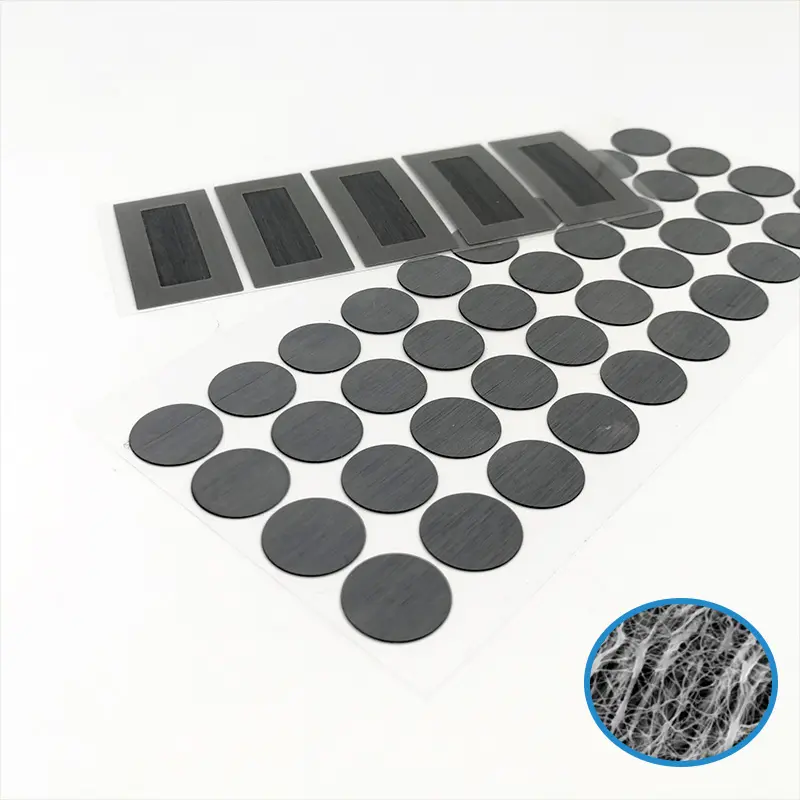
Applications of ePTFE Vent Plugs
Agricultural Chemical Packaging
Fertilizer and pesticide containers may experience pressure changes during storage and distribution. Properly selected vent plugs can help manage pressure while reducing the risk of leakage.
Industrial Chemical Containers
Industrial liquids may require venting solutions that balance airflow, sealing performance and chemical compatibility. The membrane, housing and seals should be evaluated against the actual formulation.
Lubricant and Oil Packaging
Lubricant containers can encounter temperature changes and pressure differences during transportation. A suitable venting solution may help maintain package integrity.
Explore our chemical packaging venting solutions for more information about application requirements.
How to Select the Right Vent Plug
Choosing a vent plug requires more than matching the opening diameter. Packaging engineers should consider the following factors:
- Container volume: Determine the required pressure equalization rate.
- Airflow requirement: Check the required flow rate and test pressure.
- Liquid properties: Evaluate chemical compatibility with the membrane, housing and sealing materials.
- Water entry pressure: Confirm that the tested performance meets the application’s requirements.
- Installation design: Check the opening size, retention method and sealing interface.
- Environmental conditions: Consider temperature, transportation and storage.
For a more detailed technical overview, read our guide to ePTFE membrane technology and vent selection .
Why Work with an ePTFE Vent Plug Manufacturer?
Working directly with an experienced manufacturer can help packaging companies evaluate vent dimensions, airflow requirements, material compatibility and application-specific performance.
Ventrase provides vent plug options including D10, D15, D17 and D38, together with engineering support for application assessment and customized requirements. Final product selection should be based on verified performance data and application testing.
Need a Venting Solution for Your Packaging?
Share your container size, liquid type, required airflow and operating conditions with our team. We can help assess suitable ePTFE vent plug options for your application.
Frequently Asked Questions
Do ePTFE vent plugs prevent all liquid leakage?
Not in every condition. Performance depends on water entry pressure, liquid surface tension, chemical compatibility, installation and the complete sealing design. Test the vent assembly with the actual liquid and operating conditions.
Can one vent plug fit every chemical container?
No. Container volume, pressure changes, airflow needs, opening dimensions and chemical compatibility vary. Select the vent plug according to the application.
What information is needed for a vent plug quotation?
Useful details include container volume, neck or opening dimensions, liquid type, required airflow, waterproof requirements, estimated order quantity and any relevant test standards.
Conclusion: ePTFE vent plugs can help improve chemical packaging reliability by combining controlled gas exchange with liquid-water resistance. Careful product selection and application testing are essential for dependable performance.