
Pressure Sensitive Vent Liners for Industrial Packaging Applications
Pressure sensitive vent liners provide a reliable breathable sealing solution for industrial packaging. This guide explains how adhesive vent liners work, their advantages, applications, and how they help prevent container swelling, leakage, and pressure-related packaging problems.
- What Are Pressure Sensitive Vent Liners?
- How Pressure Sensitive Vent Liners Work
- Advantages of Adhesive Vent Liners
- Pressure Sensitive Vent Liners vs Traditional Liners
- Industrial Packaging Applications
- How to Select the Right Vent Liner
- Frequently Asked Questions
Introduction: The Importance of Venting in Industrial Packaging
Industrial packaging containers often face pressure changes during storage, transportation, and temperature fluctuations. Sealed containers may experience internal pressure buildup caused by chemical reactions, vapor generation, or environmental changes.
Without proper pressure management, packaging problems such as bottle deformation, cap stress, leakage, and container failure may occur.
Pressure sensitive vent liners provide an effective solution by combining breathable membrane technology with an adhesive sealing structure. They allow controlled gas exchange while maintaining reliable container sealing.
Unlike traditional induction sealing liners, pressure sensitive vent liners can be applied without heat activation equipment, making them suitable for many industrial packaging applications.
- Pressure equalization inside containers
- Breathable sealing performance
- Leak protection
- Easy application without induction equipment
- Suitable for various plastic containers
What Are Pressure Sensitive Vent Liners?
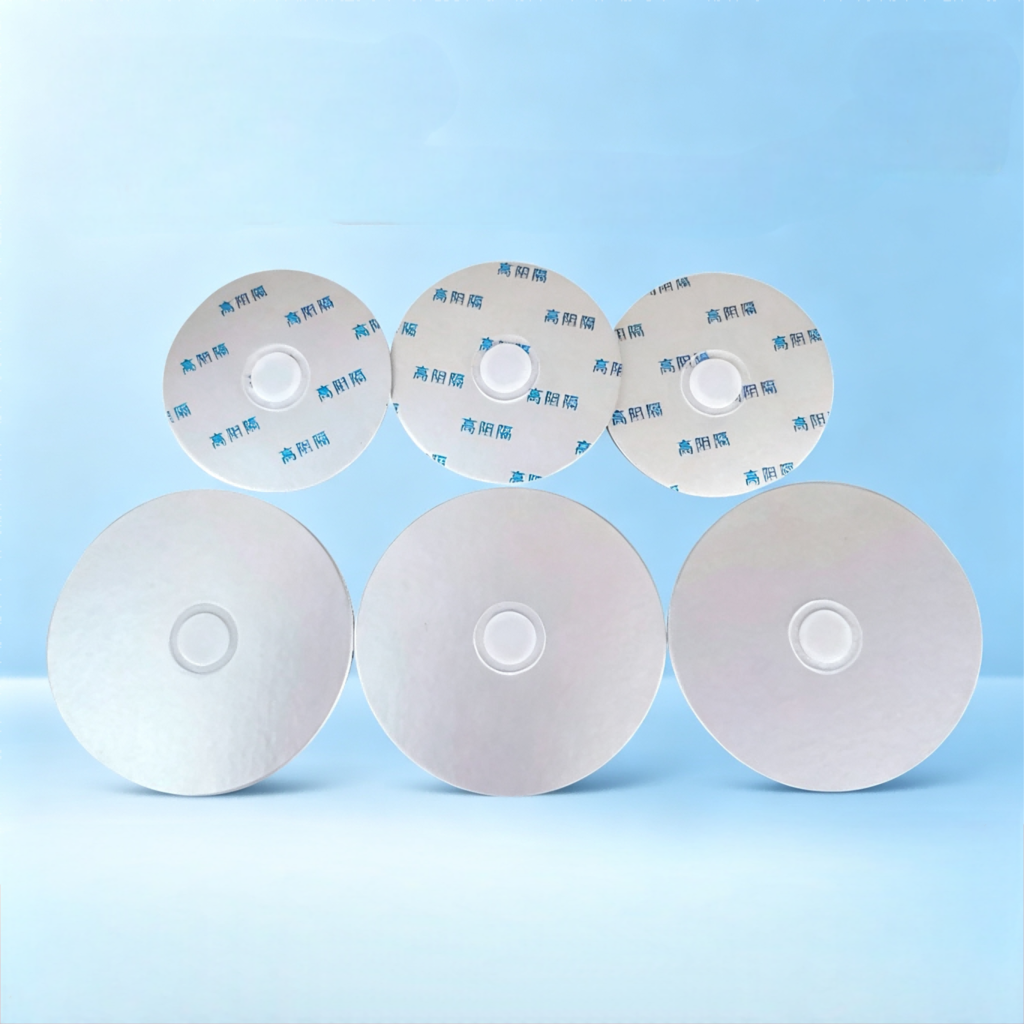
Pressure sensitive vent liners are adhesive-backed breathable liners designed to seal container openings while allowing controlled airflow.
The liner uses a pressure-sensitive adhesive layer that bonds directly to the container surface. Unlike induction vent liners, no heating process is required during application.
The breathable membrane inside the liner provides the venting function by allowing gases to escape while helping prevent liquid leakage.
Structure of Pressure Sensitive Vent Liners
A typical pressure sensitive vent liner includes several functional layers:
- Breathable Membrane Layer: Controls airflow and pressure balance while providing waterproof protection.
- Foam Support Layer: Provides cushioning, sealing support, and compression performance.
- Pressure Sensitive Adhesive Layer: Creates direct bonding between the liner and container opening.
- Release Film: Protects the adhesive surface before application.
How Pressure Sensitive Adhesive Technology Works
The pressure-sensitive adhesive layer creates a strong bond when pressure is applied during the capping process.
This allows manufacturers to apply the vent liner directly to containers without additional heat sealing equipment.
The result is a simple and efficient sealing process suitable for different packaging production environments.
How Pressure Sensitive Vent Liners Work
The main function of a pressure sensitive vent liner is to balance pressure differences between the inside and outside of a container.
When pressure increases inside the container, gases can pass through the breathable membrane. At the same time, the membrane helps prevent liquid from escaping.
Pressure Equalization Process
- Gas pressure increases inside the container.
- Gas molecules move through the breathable membrane.
- Internal pressure gradually decreases.
- Container deformation and leakage risks are reduced.
This pressure management function is especially valuable for industrial packaging containing chemicals, agricultural products, lubricants, and other active liquids.
Related solution:
Pressure Sensitive Vent Liners
Advantages of Pressure Sensitive Vent Liners
Pressure sensitive vent liners provide several advantages compared with traditional sealing solutions. They are designed to improve packaging reliability while simplifying the production process.
For industrial packaging manufacturers, these liners provide a balance between breathable performance, sealing protection, and application convenience.
1. No Induction Equipment Required
One of the biggest advantages of pressure sensitive vent liners is that they do not require induction sealing equipment.
The adhesive layer bonds directly to the container opening through applied pressure, which simplifies the packaging process and reduces equipment investment.
- Suitable for small and medium production lines
- Easy integration into existing packaging operations
- Reduced sealing equipment requirements
- Simplified production process
2. Reliable Breathable Sealing Performance
Pressure sensitive vent liners combine adhesive sealing technology with breathable membrane technology.
The liner maintains container closure integrity while allowing controlled gas exchange.
This helps prevent common packaging problems including:
- Container swelling
- Bottle deformation
- Cap stress
- Pressure-related leakage
3. Easy Application and Replacement
Because pressure sensitive vent liners use adhesive bonding, they can be applied quickly during packaging assembly.
This makes them suitable for packaging applications requiring flexible production processes.
- Simple application process
- No heat sealing process
- Suitable for different container materials
- Reliable pressure equalization
- Customized solutions available
Pressure Sensitive Vent Liners vs Induction Vent Liners
Both pressure sensitive vent liners and induction vent liners provide breathable sealing functions, but their application methods are different.
The correct choice depends on production requirements, equipment availability, container design, and application conditions.
| Comparison Factor | Pressure Sensitive Vent Liners | Induction Vent Liners |
|---|---|---|
| Application Method | Pressure-sensitive adhesive bonding | Heat induction sealing |
| Equipment Requirement | No induction machine required | Requires induction sealing equipment |
| Production Flexibility | High flexibility for different production environments | Suitable for high-speed automated lines |
| Installation Process | Simple application | Requires controlled heating process |
| Packaging Compatibility | Suitable for various plastic containers | Depends on container and sealing layer compatibility |
| Main Advantage | Easy installation and flexible usage | Strong tamper-evident sealing options |
Industrial Packaging Applications of Pressure Sensitive Vent Liners
Pressure sensitive vent liners are widely used in industrial packaging where pressure control and reliable sealing are important.
Typical applications include:
Chemical Packaging
Chemical products may generate gases or experience pressure changes during storage and transportation.
Pressure sensitive vent liners help maintain container stability by allowing controlled ventilation while protecting against liquid leakage.
Common chemical packaging applications include:
- Cleaning chemicals
- Industrial fluids
- Specialty chemicals
- Agricultural chemicals
Agrochemical Packaging
Agricultural chemical containers often require reliable ventilation because active ingredients may create pressure changes over time.
Breathable vent liners help protect containers from swelling and deformation during transportation and storage.
Related product:
Aluminum Foil Vent Liners for Pesticide Bottle Packaging
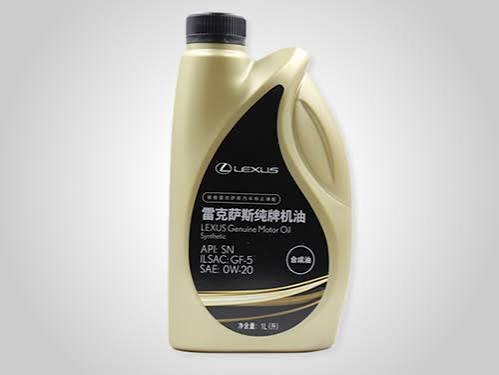
Lubricant and Industrial Liquid Packaging
Lubricants and industrial liquids are commonly stored in plastic containers that may experience temperature-related pressure changes.
Pressure sensitive vent liners provide a practical solution for maintaining packaging performance during global transportation.
Key Performance Factors for Industrial Packaging Vent Liners
Selecting the correct vent liner requires evaluating several technical factors:
- Airflow Rate: Determines gas exchange speed and pressure balancing capability.
- Water Entry Pressure: Measures resistance against liquid penetration.
- Chemical Resistance: Ensures compatibility with packaged materials.
- Adhesive Performance: Ensures stable attachment to container surfaces.
- Temperature Resistance: Maintains performance under different environmental conditions.
Ventrase provides customized pressure sensitive vent liner solutions based on container size, application requirements, and performance specifications.
How to Select the Right Pressure Sensitive Vent Liner
Choosing the correct pressure sensitive vent liner requires a clear understanding of the container design, packaged material, and operating environment.
A suitable vent liner should provide reliable sealing, sufficient airflow performance, and long-term compatibility with the packaged product.
1. Consider Container Type and Size
The container opening and cap design directly affect vent liner performance.
Important factors include:
- Container neck size
- Cap structure
- Sealing surface condition
- Container material
- Required liner diameter
Common container materials include HDPE, PET, PP, and other plastic packaging materials.
2. Evaluate Product Compatibility
Different packaged products may require different levels of chemical resistance and sealing protection.
Before selecting a pressure sensitive vent liner, manufacturers should evaluate:
- Chemical composition of the product
- Liquid viscosity
- Potential gas generation
- Storage conditions
- Transportation environment
3. Determine Required Airflow Performance
The breathable membrane performance determines how effectively the vent liner manages internal pressure changes.
Higher airflow may be required for containers with greater pressure fluctuation risks.
Ventrase can provide customized airflow solutions according to:
- Container volume
- Internal pressure conditions
- Application environment
- Customer testing requirements
Pressure Sensitive Vent Liner Material Options
Pressure sensitive vent liners can be customized using different support materials and membrane structures according to application requirements.
| Material Option | Main Characteristics | Typical Applications |
|---|---|---|
| PE Foam | Good sealing support, stable compression performance, chemical packaging suitability | Chemical containers, industrial liquids, agrochemical bottles |
| EPE Foam | Lightweight structure, flexible compression recovery | General plastic packaging, lightweight containers |
| Aluminum Foil Composite | Excellent sealing barrier and protection performance | Pesticide bottles, chemical packaging |
| ePTFE Membrane | Waterproof breathable performance with high chemical resistance | Industrial packaging requiring advanced venting |
Pressure Sensitive Vent Liners in Chemical Packaging
Chemical packaging is one of the most important application areas for breathable vent liner technology.
Many chemical products may release gases or experience volume changes caused by temperature variations during transportation.
A pressure sensitive vent liner helps maintain container integrity by:
- Reducing internal pressure buildup
- Allowing controlled gas release
- Helping prevent bottle deformation
- Maintaining reliable sealing performance
For chemical packaging manufacturers, selecting the correct vent liner can improve product safety and reduce transportation risks.
Pressure Sensitive Vent Liners for Agrochemical Packaging
Agricultural chemical containers often require advanced packaging protection because formulations may generate gas pressure during storage.
Pressure sensitive vent liners provide a practical solution for pesticide, fertilizer, and agricultural chemical packaging.
They help maintain bottle shape and reduce leakage risks during long-distance transportation.
Related solutions:
Benefits for Packaging Manufacturers
For packaging manufacturers and brand owners, pressure sensitive vent liners provide several operational advantages.
Manufacturing Benefits
- No induction sealing equipment required
- Simplified production process
- Flexible packaging line integration
- Reduced equipment investment
- Suitable for customized packaging solutions
Ventrase Pressure Sensitive Vent Liner Solutions
Ventrase develops waterproof breathable membrane solutions for global packaging manufacturers.
Our pressure sensitive vent liners are designed for industrial packaging applications requiring reliable pressure equalization and breathable sealing performance.
Product customization options include:
- Custom liner sizes
- Different adhesive options
- Customized membrane performance
- Application-specific testing
Explore more Ventrase breathable packaging solutions:
Frequently Asked Questions About Pressure Sensitive Vent Liners
What are pressure sensitive vent liners?
Pressure sensitive vent liners are adhesive-backed breathable sealing components designed for plastic containers. They combine a pressure-sensitive adhesive layer with a breathable membrane to provide pressure equalization and leak protection.
How do pressure sensitive vent liners work?
Pressure sensitive vent liners allow gases to pass through the breathable membrane while helping prevent liquid leakage. When pressure builds inside a container, the membrane allows controlled gas release to reduce internal pressure.
What is the difference between pressure sensitive vent liners and induction vent liners?
The main difference is the sealing method. Pressure sensitive vent liners use adhesive bonding and do not require heat sealing equipment. Induction vent liners require an induction sealing process to bond the liner to the container.
Pressure sensitive vent liners are often preferred for flexible production environments, while induction liners are commonly used for high-speed automated packaging lines.
Are pressure sensitive vent liners waterproof?
Yes. Pressure sensitive vent liners can use waterproof breathable membrane technology that allows gas exchange while helping prevent liquid penetration.
Which industries use pressure sensitive vent liners?
Pressure sensitive vent liners are widely used in industrial packaging applications including chemical packaging, agrochemical containers, lubricant packaging, cleaning products, and specialty liquid containers.
Can pressure sensitive vent liners be customized?
Yes. Ventrase provides customized pressure sensitive vent liner solutions including different liner sizes, adhesive options, membrane structures, and airflow performance levels.
Pressure Sensitive Vent Liners for Industrial Packaging: Final Guide
Pressure sensitive vent liners provide an efficient solution for industrial packaging manufacturers that require reliable sealing and pressure management.
Compared with traditional sealing methods, they offer easier application, flexible production integration, and effective pressure equalization performance.
For chemical containers, agrochemical bottles, lubricants, and industrial liquids, selecting the correct breathable vent liner can help reduce packaging failures and improve product reliability during transportation and storage.
Ventrase provides a complete range of breathable packaging solutions including:
- Pressure Sensitive Vent Liners
- PE Foam Vent Liners
- EPE Vent Liners
- Aluminum Foil Vent Liners
- ePTFE Vent Plugs
Need a Customized Vent Liner Solution?
Every packaging application has different requirements. Share your container specifications, product information, and performance expectations with Ventrase technical specialists.
We can help recommend a suitable breathable vent liner solution for your packaging system.
Related Products
- Pressure Sensitive Vent Liners
- Breathable Vent Liners
- PE Foam Vent Liners
- EPE Vent Liners
- Aluminum Foil Vent Liners
- ePTFE Vent Plugs
Related Ventrase Resources
- Breathable Vent Liners Complete Guide
- Aluminum Foil Vent Liners for Pesticide Bottle Packaging
- PE Foam Vent Liners vs EPE Vent Liners
About Ventrase
Ventrase specializes in waterproof breathable membrane solutions for global packaging manufacturers, including breathable vent liners and ePTFE vent plugs.
Our products help improve container safety, pressure management, and packaging reliability across chemical, agrochemical, industrial, lubricant, food, and pharmaceutical industries.