
Introduction
Modern packaging for chemicals, agrochemicals, lubricants, and other industrial liquids requires more than simple sealing. Temperature changes, transportation conditions, and chemical reactions can create pressure differences inside containers.
To solve these challenges, manufacturers commonly use two types of venting solutions:
- Plastic Vent Plugs
- Vent Liners
Both solutions use breathable membrane technology, such as ePTFE vent membranes, to allow gas exchange while preventing liquid leakage. However, their designs, installation methods, and applications are different.
Understanding the difference between a Plastic Vent Plug and a Vent Liner helps packaging engineers select the right solution.
What Is a Plastic Vent Plug?
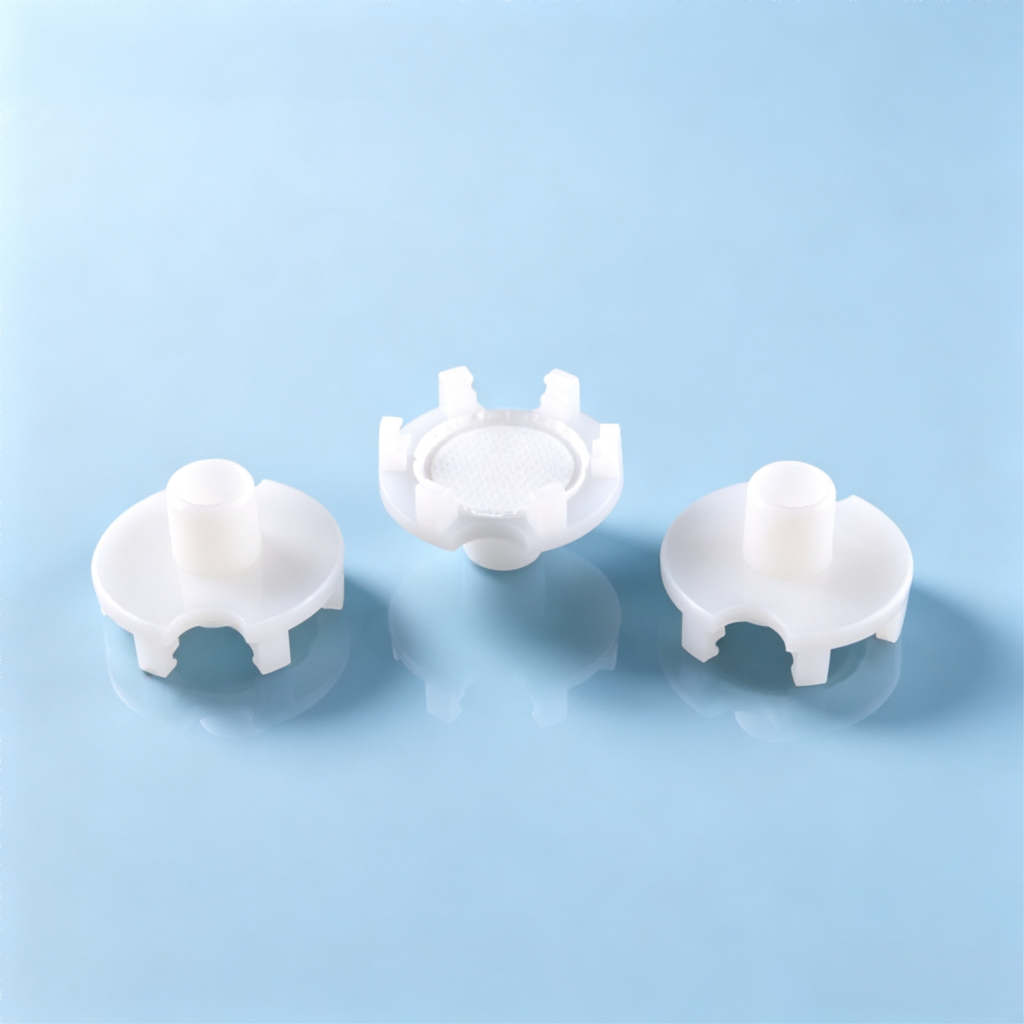
A Plastic Vent Plug is a standalone venting component installed directly into a container, cap, or packaging system.
It usually consists of:
- Plastic housing
- ePTFE breathable membrane
- Protective structure
The vent plug creates a dedicated airflow channel between the container interior and the external environment.
Common installation methods include:
- Press fit installation
- Snap-in installation
- Ultrasonic welding
- Mechanical assembly
Advantages of Plastic Vent Plugs
1. Higher Airflow Performance
Plastic vent plugs are designed for applications that require continuous pressure equalization.
They are suitable for:
- Large containers
- Industrial drums
- Chemical packaging
- Agrochemical containers
2. Independent Installation Design
Unlike liners integrated into caps, vent plugs can be installed separately.
Benefits include:
- Flexible container design
- Easy replacement
- Customized airflow performance
3. Better Protection Against Harsh Environments
High-quality plastic vent plugs can provide:
- Waterproof protection
- Chemical resistance
- Dust resistance
- Long-term ventilation performance
What Is a Vent Liner?
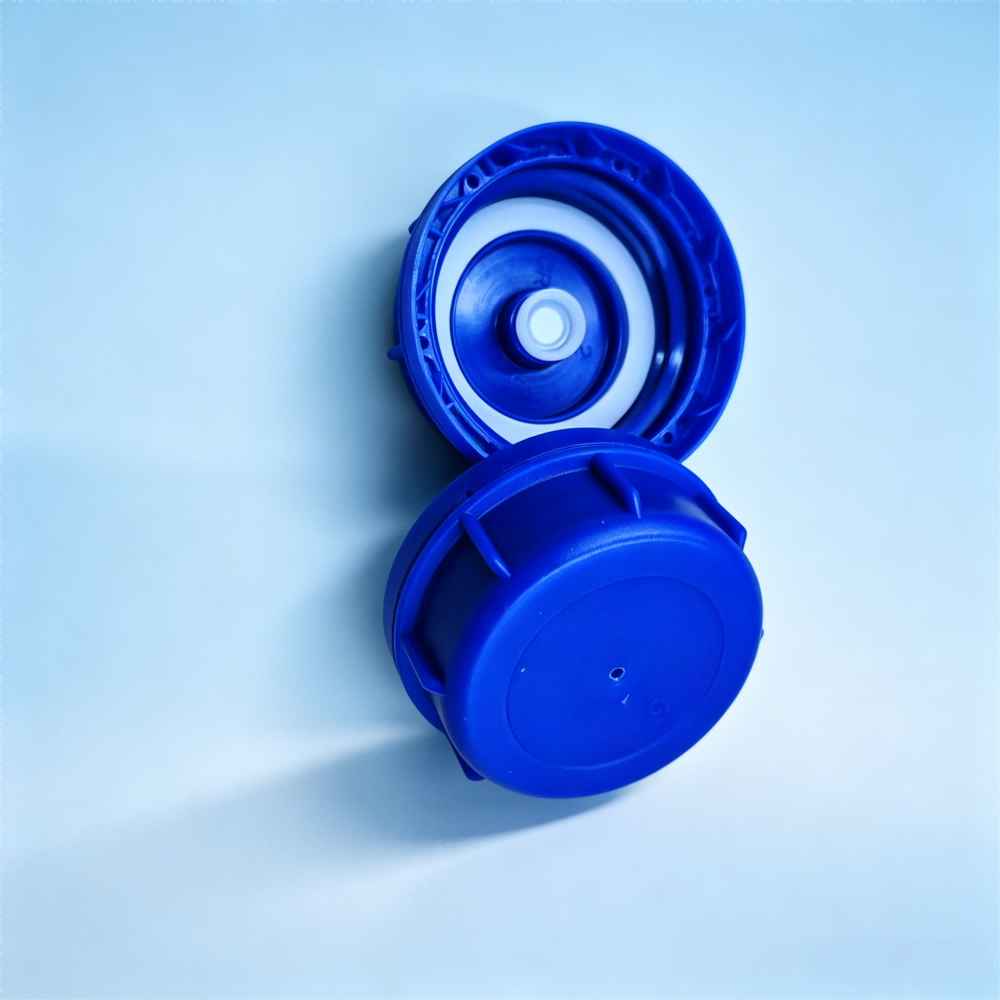
A Vent Liner is a membrane-based venting solution integrated into a bottle cap or closure system.
The most common type is an induction vent liner.
During the sealing process, the liner is bonded to the container opening through induction heat.
The structure usually includes:
- Sealing layer
- Support layer
- ePTFE vent membrane
Advantages of Vent Liners
1. Easy Integration Into Existing Caps
Vent liners can be installed using standard induction sealing equipment.
This makes them popular for:
- Pesticide bottles
- Chemical containers
- Food packaging
- Pharmaceutical packaging
2. Tamper Evidence
Induction vent liners provide:
- Initial seal protection
- Product freshness protection
- Evidence of opening
3. Cost-Effective for High Volume Production
For large quantities of small containers, vent liners are often economical because they fit existing cap designs.
Plastic Vent Plug vs Vent Liner Comparison
| Feature | Plastic Vent Plug | Vent Liner |
|---|---|---|
| Installation | Press fit / snap-in | Induction sealing |
| Application | Large containers | Small and medium bottles |
| Airflow | Higher airflow options | Moderate airflow |
| Replacement | Easy replacement | Usually replaced with cap |
| Pressure control | Excellent | Good |
| Customization | High | Medium |
| Equipment requirement | Low | Requires induction equipment |
| Best for | Industrial packaging | Consumer bottles |
Which One Should You Choose?
The choice depends on your packaging requirements.
Choose a Plastic Vent Plug When:
You need:
- Higher airflow capacity
- Long-term pressure equalization
- Large chemical containers
- Custom vent designs
Typical applications:
- Agrochemical drums
- Lubricant containers
- Industrial chemical packaging
Choose a Vent Liner When:
You need:
- Easy integration
- Existing cap compatibility
- High-speed production
- Tamper-evident sealing
Typical applications:
- Pesticide bottles
- Fertilizer containers
- Household chemical bottles
Why ePTFE Membrane Matters
Both Plastic Vent Plugs and Vent Liners often use ePTFE vent membranes because of their unique properties.
The microporous structure provides:
✓ Air and gas permeability
✓ Waterproof protection
✓ Chemical resistance
✓ Long-term stability
This allows packaging to breathe without allowing liquid leakage.
Ventrase Venting Solutions
Ventrase develops and manufactures advanced ePTFE venting membranes, Plastic Vent Plugs and Vent Liners for industrial packaging applications.
Our solutions support:
- Agrochemical packaging
- Chemical containers
- Lubricant packaging
- Industrial applications
With OEM and ODM capabilities, Ventrase helps customers develop customized venting solutions based on container size, airflow requirements, and chemical compatibility.
Conclusion
Both Plastic Vent Plugs and Vent Liners provide reliable packaging ventilation, but they serve different needs.
Plastic Vent Plugs are ideal for applications requiring higher airflow, stronger pressure control, and flexible installation.
Vent Liners are better suited for high-volume packaging where easy integration and sealing performance are priorities.
Choosing the right venting solution improves packaging reliability, reduces leakage risks, and protects products throughout storage and transportation.
Need the Right Vent Plug for Your Packaging?
Whether you need a Plastic Vent Plug, Press Fit Vent Plug, Snap-in Vent or a custom ePTFE venting solution, Ventrase can help you improve packaging safety and pressure equalization.