
How to Choose the Right Vent Plug for Chemical Packaging
Choosing the right vent plug for chemical packaging is essential for managing pressure changes, protecting container integrity, and supporting safe transportation. The correct solution depends on container size, airflow requirements, chemical compatibility, liquid protection, and installation design.
Chemical containers are often exposed to changing temperatures, altitude variations, and different storage conditions. These factors can create pressure differences between the inside and outside of a container.
Without proper pressure management, containers may experience swelling, deformation, vacuum collapse, or increased stress on closures and seals.
An ePTFE vent plug provides a controlled gas exchange pathway while helping prevent liquid penetration. However, not every vent plug is suitable for every chemical packaging application.
This guide explains the key factors to consider when selecting a chemical packaging vent plug for bottles, jerry cans, and industrial containers.
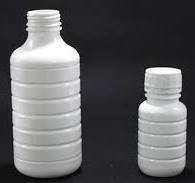
Chemical packaging vent plugs help manage pressure differences in sealed containers.
1. Understand Why Your Chemical Container Needs Venting
The first step is identifying the actual packaging problem. Different applications may require different venting performance.
Prevent Container Swelling
Temperature increases or gas generation may cause internal pressure to rise. A suitable vent plug allows gas to escape and helps reduce pressure differences.
Reduce Vacuum Deformation
When internal pressure decreases, flexible containers may deform inward. A vent plug can allow air to enter and help equalize pressure.
Support Packaging Integrity During Transportation
Chemical products may be transported through different climates and altitudes. Pressure equalization can help reduce stress on the container and closure system.
Manage Pressure Changes During Storage
Long-term storage may involve temperature fluctuations and changing environmental conditions. Venting can help manage pressure differences throughout the storage period.
For a detailed explanation of the working principle, read: What Is an ePTFE Vent Plug and How Does It Work? .
2. Determine the Required Airflow Rate
Airflow is one of the most important factors when selecting a chemical packaging vent plug.
A vent plug must provide sufficient gas exchange to manage the pressure changes expected in the container.
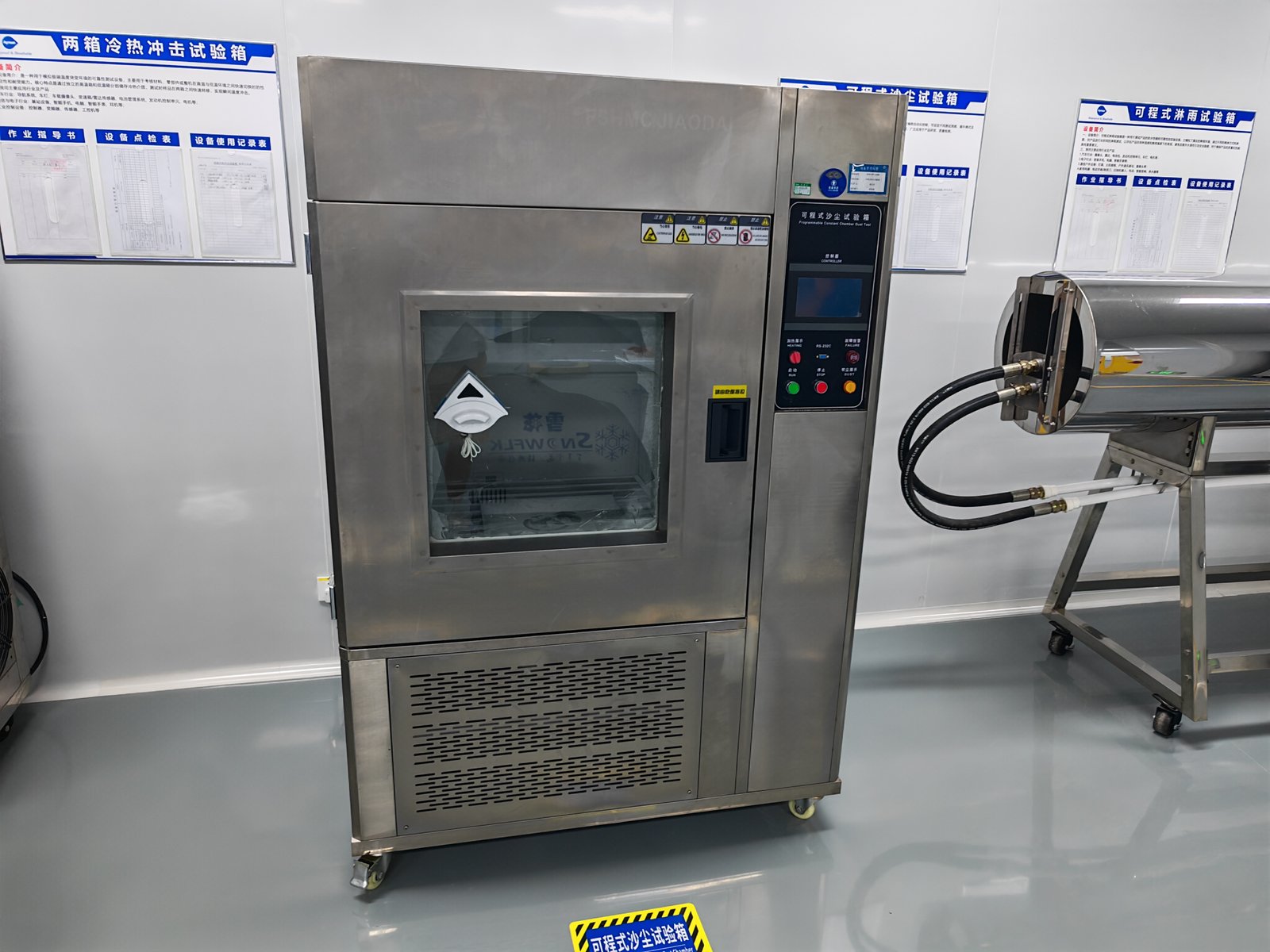
Airflow performance should be evaluated under defined pressure and test conditions.
What Determines the Required Airflow?
- Container volume and geometry
- Expected pressure generation or consumption rate
- Temperature changes during storage and transportation
- Required pressure equalization time
- Acceptable internal and external pressure difference
- Membrane performance under actual operating conditions
A larger container does not automatically require a specific vent plug size. The actual requirement depends on how quickly pressure changes occur and how much pressure difference the packaging can tolerate.
How Is Vent Plug Airflow Measured?
Airflow is commonly measured as a volumetric flow rate under a defined pressure difference.
For example, a specification may express airflow in ml/min at 12 mbar. This means the reported flow rate applies to that particular test pressure.
Learn more about: ePTFE Membrane Technology and Airflow Performance .
3. Check Chemical Compatibility
Chemical compatibility is critical when selecting a vent plug for industrial packaging.
The vent assembly may be exposed to the chemical contents, vapors, cleaning agents, or environmental contaminants during storage and transportation.
Evaluate the Complete Vent Assembly
Chemical compatibility should not be assessed based on the membrane alone.
The following components may require evaluation:
- ePTFE membrane
- Plastic housing
- Membrane bonding or sealing materials
- Container closure and mounting interface
- Other materials exposed to the chemical environment
Consider the Actual Chemical Formulation
Chemical resistance may vary depending on concentration, temperature, exposure time, and the specific formulation.
For example, two products within the same chemical category may have different compatibility requirements due to additives or solvents.
When evaluating a vent plug for fertilizers, pesticides, cleaning chemicals, oils, or other industrial liquids, provide the manufacturer with the actual chemical information whenever possible.
4. Evaluate Waterproof Performance and Liquid Protection
Chemical packaging vent plugs must balance gas permeability with liquid protection.
A hydrophobic ePTFE membrane is designed to resist water penetration while allowing gases to pass through. However, water resistance does not automatically guarantee compatibility with every chemical liquid.
What Is Water Entry Pressure?
Water entry pressure, also called water breakthrough pressure in some testing contexts, describes the pressure at which water begins to penetrate a membrane under defined conditions.
The required performance depends on the packaging application, transportation conditions, and potential exposure to liquid pressure.
Why Liquid Properties Matter
Surface tension and wetting behavior influence liquid penetration through porous membranes.
Some liquids may wet a membrane differently from water. Therefore, a membrane’s water entry pressure should not automatically be treated as its resistance to all chemical liquids.
For demanding applications, the vent plug should be evaluated using the actual liquid or an appropriate test fluid.
5. Select the Correct Vent Plug Size
The vent plug size must match the container design and the required venting performance.
Ventrase offers different ePTFE vent plug models for various container sizes and industrial packaging applications.
| Model | Typical Application | Key Selection Consideration |
|---|---|---|
| D10 | Small bottles and compact containers | Installation space and airflow requirements |
| D15 | Medium-size chemical bottles | Balanced airflow and packaging design |
| D17 | Larger bottles and industrial packaging | Higher airflow requirements |
| D38 | Large containers and industrial drums | High-volume pressure management |
These are general application references rather than fixed container-size rules. The final model should be selected using the actual product specifications and application requirements.
View the complete ePTFE Vent Plug Product Range .
6. Choose the Right Installation Method
The installation method affects the mechanical retention, sealing performance, and reliability of the vent plug.
Press-Fit Installation
Press-fit vent plugs are installed into a prepared mounting hole. The design must provide appropriate interference, retention, and sealing.
Important factors include:
- Mounting hole diameter and tolerance
- Container wall thickness
- Material flexibility and dimensional stability
- Insertion force and retention requirements
- Assembly process and production consistency
Integrated Closure Design
Some venting solutions are integrated into caps or closure systems. This approach may be suitable when packaging manufacturers require a compact design or a specific assembly structure.
The complete closure and vent assembly should be tested to confirm that installation does not compromise membrane performance or liquid protection.
7. Consider the Operating Environment
The vent plug must perform under the conditions the container will actually experience.
| Operating Condition | Potential Impact | Selection Consideration |
|---|---|---|
| Temperature fluctuations | Changes in internal pressure | Airflow and temperature compatibility |
| Altitude changes | External pressure variations | Pressure equalization performance |
| Vibration and handling | Mechanical stress on the closure | Retention and assembly integrity |
| Liquid exposure | Potential membrane wetting | Liquid protection and compatibility |
| Long-term storage | Extended material exposure | Durability and aging evaluation |
8. Request the Right Technical Data from Your Manufacturer
When comparing chemical packaging vent plug suppliers, request technical information that allows you to evaluate the product against your application requirements.
- Airflow rate and test pressure
- Water entry pressure and test conditions
- Membrane material and relevant specifications
- Housing material and chemical compatibility information
- Mounting dimensions and installation requirements
- Operating temperature range
- Available test reports and quality documentation
- OEM customization and sampling capability
A reliable manufacturer should be able to explain how its product specifications relate to your application requirements and identify any additional testing needed.
9. Chemical Packaging Vent Plug Selection Checklist
Before requesting a quotation or sample, prepare the following information:
- Container type and total volume
- Container material and wall thickness
- Chemical name and formulation
- Expected temperature range
- Pressure generation or consumption conditions
- Required airflow rate, if known
- Required liquid protection performance
- Mounting hole dimensions
- Annual demand and expected order quantity
- Existing vent plug specifications or samples
Providing these details helps the manufacturer recommend a suitable solution more efficiently and reduces unnecessary sampling and testing.
10. Why Work with an ePTFE Vent Plug Manufacturer?
Working directly with an experienced vent plug manufacturer can help simplify product selection, technical communication, and customized development.
For OEM packaging projects, engineering support may include:
- Vent plug model selection
- Airflow and membrane performance evaluation
- Housing and mounting design review
- Material compatibility assessment
- Sample development and testing support
- Customized venting solutions
Ventrase provides ePTFE vent plug solutions for chemical packaging, agrochemical containers, industrial drums, and other applications requiring pressure equalization and waterproof breathable protection.

Ventrase ePTFE vent plug models for different industrial packaging requirements.
Frequently Asked Questions
What is the best vent plug for chemical packaging?
The best vent plug depends on the chemical formulation, container volume, required airflow, liquid protection, and installation design. There is no single model suitable for every chemical packaging application.
How do I calculate the required airflow for a chemical bottle?
Start with the container volume, expected pressure change, and acceptable pressure difference. The required airflow should be evaluated using the expected operating conditions and verified through testing.
Can ePTFE vent plugs be used for pesticide packaging?
Yes, ePTFE vent plugs can be used in selected pesticide and agrochemical packaging applications. The complete assembly must be evaluated for compatibility with the actual formulation and operating conditions.
Are ePTFE vent plugs suitable for large chemical drums?
Yes. Larger containers may require vent plugs with higher airflow capacity. The appropriate solution depends on container volume, pressure conditions, and required liquid protection.
Can I request a customized chemical packaging vent plug?
Yes. Contact the manufacturer with your container drawings, chemical information, mounting dimensions, and performance requirements to discuss customized venting solutions.
Technical References
For additional information about membrane venting and packaging applications, see:
- GORE Packaging Vents FAQ
- What Is an ePTFE Vent Plug and How Does It Work?
- Ventrase ePTFE Membrane Technology
Need Help Selecting a Chemical Packaging Vent Plug?
Share your container specifications, chemical information, and performance requirements with Ventrase.
Our team can help evaluate suitable ePTFE vent plug models and customized venting solutions for your packaging project.
Contact Ventrase Engineering