
How to Choose the Right ePTFE Vent Plug for Chemical Containers
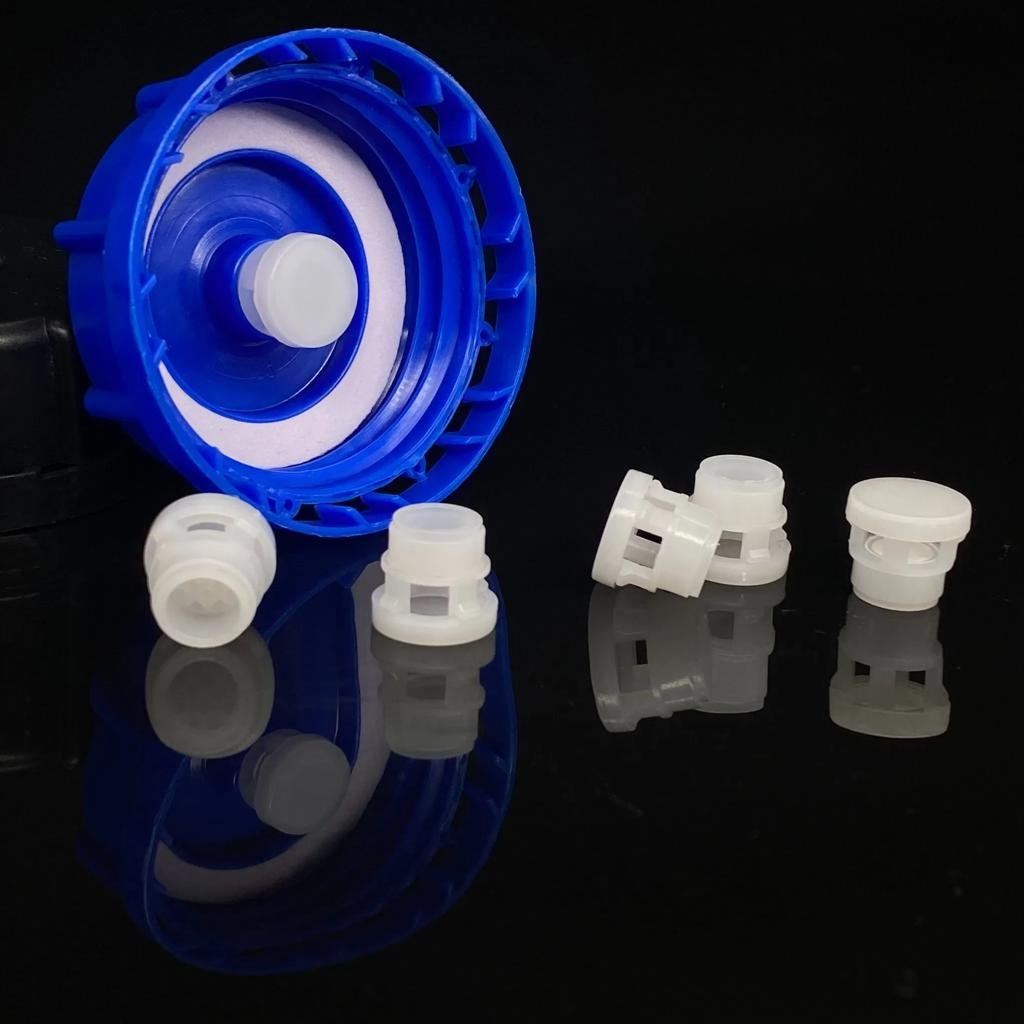
Chemical containers often face pressure changes during storage, transportation, and temperature fluctuations.
A sealed container can protect the product from contamination, but trapped internal pressure may cause bottle deformation, leakage, or packaging failure.
An ePTFE vent plug provides a controlled venting solution by allowing gas exchange while preventing liquid penetration.
Choosing the right vent plug requires understanding airflow performance, waterproof protection, chemical compatibility, and installation requirements.
For more information about ePTFE membrane technology:
Learn How ePTFE Membrane Technology Works
Why Do Chemical Containers Need Vent Plugs?
Many chemical products release gas or experience pressure changes during their lifecycle.
- Pesticides and agrochemicals
- Liquid fertilizers
- Cleaning chemicals
- Lubricants
- Industrial fluids
During transportation, containers may experience:
- Temperature changes
- Altitude pressure changes
- Long storage periods
- Chemical vapor generation
Without proper venting, pressure imbalance may lead to:
- Container swelling
- Cap deformation
- Liquid leakage
- Damaged packaging
What Is an ePTFE Vent Plug?
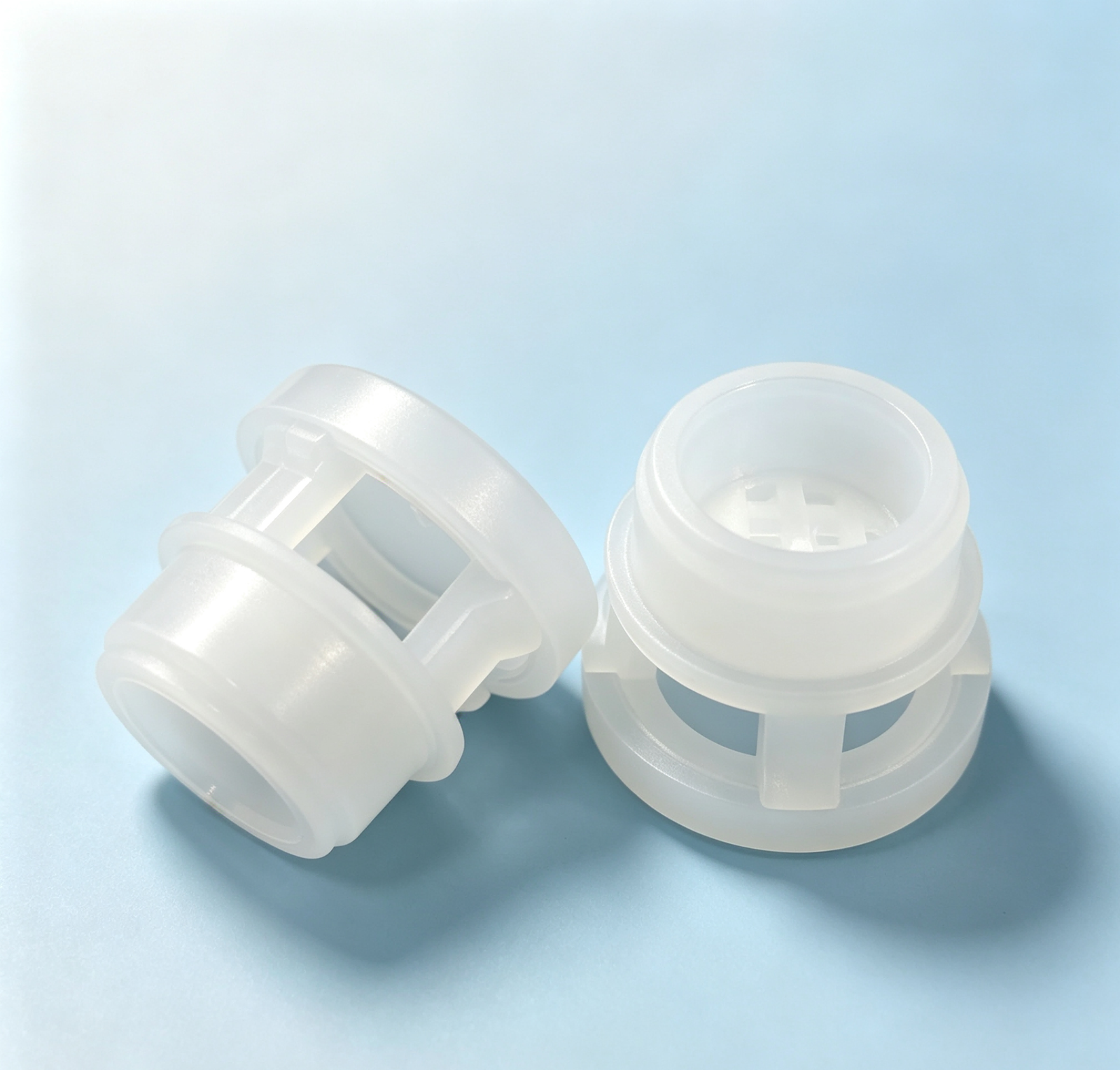
An ePTFE vent plug combines a durable plastic housing with an expanded PTFE membrane.
The microporous membrane structure allows air and gas molecules to pass through while blocking water and liquid contaminants.
| Feature | Function |
|---|---|
| Air Permeability | Allows pressure equalization |
| Water Resistance | Prevents liquid penetration |
| Chemical Resistance | Supports demanding environments |
| Microporous Structure | Provides waterproof breathable performance |
Key Factors When Selecting an ePTFE Vent Plug
1. Required Airflow Performance
Different containers require different airflow rates.
Small bottles may need compact vent solutions, while large industrial drums require higher ventilation capacity.
Engineers should evaluate:
- Container volume
- Internal pressure generation
- Required gas exchange rate
2. Waterproof Protection Level
A vent plug must allow gas movement while preventing liquid leakage.
Important performance factors include:
- Water entry pressure
- Membrane hydrophobicity
- Environmental exposure
3. Chemical Compatibility
Chemical packaging applications require materials that can resist aggressive liquids and vapors.
The selected vent plug should be evaluated against:
- Chemical formulation
- Storage temperature
- Long-term exposure conditions
4. Installation Method
Common installation designs include:
- Press-fit vent plugs
- Snap-in vents
- Vent liners
- Customized assemblies
Recommended ePTFE Vent Plug Solutions
D17 Press Fit ePTFE Vent Plug
The D17 press fit vent plug is designed for compact chemical containers and industrial packaging applications requiring reliable pressure equalization.
Suitable applications:
- Small chemical bottles
- Industrial containers
- Packaging closures
Explore Ventrase ePTFE Vent Plug Products
D38 Drum Vent Plug
Large containers and drums require higher airflow performance and durable protection.
D38 drum vent plugs are designed for industrial packaging applications where pressure management is critical.
Applications include:
- Chemical drums
- Liquid fertilizer containers
- Industrial fluid packaging
ePTFE Vent Plug vs Traditional Sealed Closures
| Performance | Traditional Closure | ePTFE Vent Plug |
|---|---|---|
| Pressure Equalization | No | Yes |
| Waterproof Protection | Limited | Excellent |
| Gas Release | No | Yes |
| Chemical Packaging | Limited | Suitable |
Applications of Chemical Container Vent Plugs
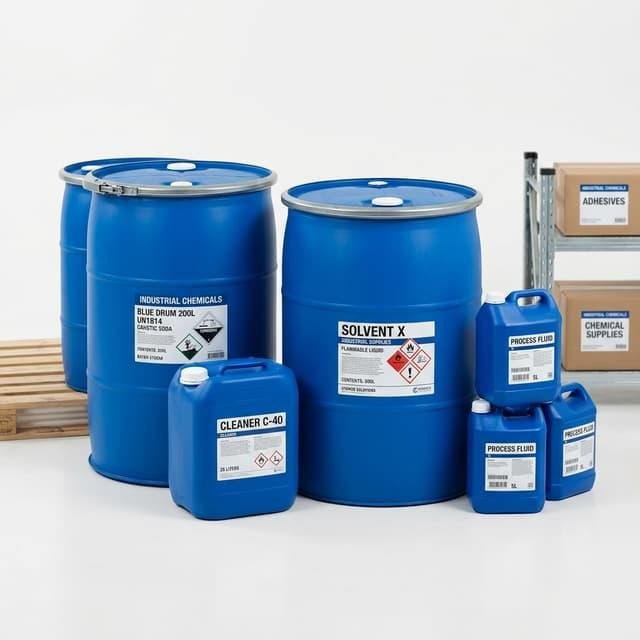
ePTFE vent plugs are widely used in:
- Agrochemical packaging
- Pesticide bottles
- Industrial chemical containers
- Lubricant packaging
- Drum containers
Why Choose Ventrase?
Ventrase specializes in waterproof breathable venting solutions for industrial applications.
- Advanced ePTFE membrane technology
- OEM customization capability
- Engineering support
- Application-specific vent design
- Reliable quality control
Explore Ventrase technical resources:
ePTFE Vent Technology Knowledge Center
Frequently Asked Questions
What is an ePTFE vent plug?
An ePTFE vent plug is a waterproof breathable component that allows gas exchange while protecting against liquid contamination.
Can vent plugs be used for pesticide bottles?
Yes. ePTFE vent plugs are commonly used for pesticide and chemical containers to reduce pressure buildup and leakage risks.
How do I select the correct vent plug?
Selection depends on container size, airflow requirement, chemical compatibility, installation method, and environmental conditions.
Conclusion
Selecting the correct ePTFE vent plug is essential for reliable chemical packaging performance.
By balancing airflow, waterproof protection, and pressure equalization, Ventrase vent solutions help manufacturers improve packaging safety and reliability.