
How Does a Waterproof Breathable Membrane Work?
Understanding ePTFE Membrane Technology, Microporous Structure, and Pressure Equalization Applications
Introduction: What Is a Waterproof Breathable Membrane?
A waterproof breathable membrane is an advanced functional material that allows air and gas transmission while preventing liquid water from passing through.
Unlike traditional sealing materials that completely block airflow, waterproof breathable membranes provide a balance between environmental protection and ventilation performance.
This technology is widely used in industrial applications including chemical packaging, battery systems, electronics enclosures, automotive components, and outdoor equipment.
The Main Function of a Waterproof Breathable Membrane
- Allow gases and air molecules to pass through.
- Prevent water droplets and liquid contamination.
- Maintain pressure balance inside sealed systems.
- Protect sensitive components from environmental damage.
Waterproof Does Not Mean Completely Sealed
Many engineers initially think waterproof protection requires a completely closed structure. However, completely sealed systems can create pressure problems during operation and transportation.
Temperature changes, altitude variations, and internal gas generation can cause pressure differences between the inside and outside of a product.
A waterproof breathable membrane solves this problem by allowing controlled gas exchange while maintaining waterproof protection.
Example: Pressure Change Problems Without Venting
- Plastic containers may swell or deform.
- Electronic housings may experience seal stress.
- Battery enclosures may require pressure release.
- Industrial equipment may lose reliability.
How Does a Waterproof Breathable Membrane Work?
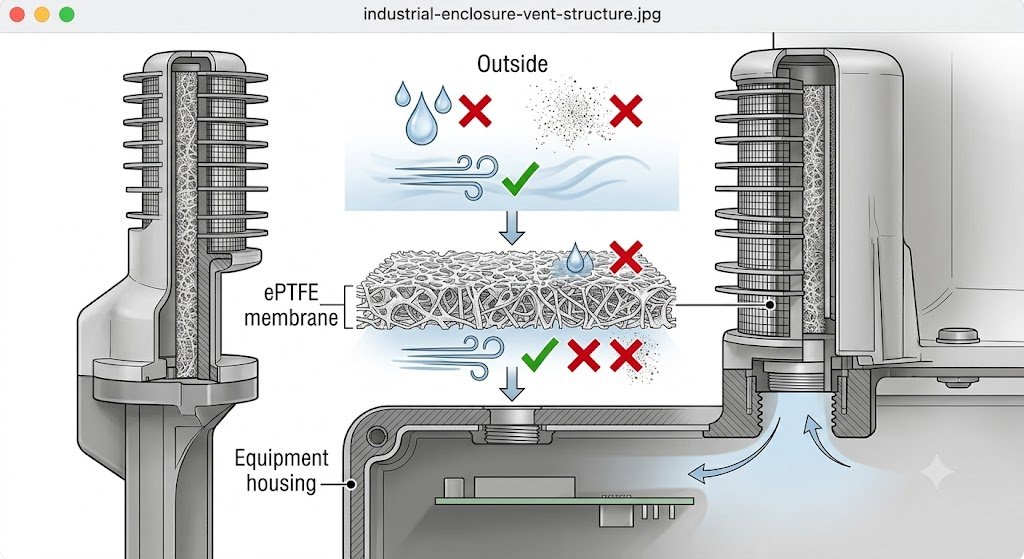
The working principle of a waterproof breathable membrane is based on a specially engineered microporous structure.
In ePTFE membrane technology, expanded polytetrafluoroethylene creates millions of microscopic pores that allow gases to pass while blocking liquid water.
Microporous Structure Principle
PTFE Material
↓
Expanded Microporous Structure
↓
Air & Gas Transmission
↓
Waterproof Protection
The Role of ePTFE Membrane Technology
ePTFE membrane technology is one of the most advanced solutions for waterproof breathable applications.
The expanded PTFE structure provides several important properties:
- Hydrophobic surface characteristics.
- High air permeability.
- Excellent chemical resistance.
- Wide temperature resistance range.
- Long-term performance stability.
Because of these advantages, ePTFE membranes are widely selected for demanding industrial environments where both protection and ventilation are required.
The Science Behind Microporous PTFE Membranes
The performance of a waterproof breathable membrane depends on its microporous structure. Among different membrane materials, expanded PTFE (ePTFE) is widely recognized for its excellent balance of waterproof protection and gas permeability.
During the expansion process, PTFE forms a network structure containing billions of microscopic pores. These pores create channels that allow air molecules and gases to pass through while preventing liquid water penetration.
Microporous ePTFE Structure Characteristics
- Millions of interconnected micropores.
- Hydrophobic surface that repels water.
- High gas permeability for pressure balance.
- Stable performance in chemical environments.
Why Can a Waterproof Breathable Membrane Be Both Waterproof and Breathable?
The unique ability of a waterproof breathable membrane comes from the difference between gas molecules and liquid water droplets.
Air molecules are extremely small and can move through the membrane pores. However, water droplets are much larger and are blocked by the membrane surface structure.
| Property | Function |
|---|---|
| Microporous Structure | Allows air and gas transmission. |
| Hydrophobic PTFE Surface | Repels liquid water and prevents penetration. |
| Surface Tension Effect | Blocks water droplets from entering the membrane. |
| Gas Permeability | Enables continuous pressure equalization. |
Water Entry Pressure and Waterproof Performance
Water entry pressure (WEP) is an important parameter used to evaluate the waterproof capability of breathable membranes.
It represents the pressure level at which water begins to penetrate through the membrane structure.
Higher Water Entry Pressure Means:
- Better resistance against liquid penetration.
- Improved protection in humid environments.
- Greater reliability for outdoor and industrial applications.
For industrial venting applications, engineers typically select membrane solutions based on airflow requirements, environmental exposure, and required waterproof performance.
Waterproof Breathable Membranes for Chemical Packaging
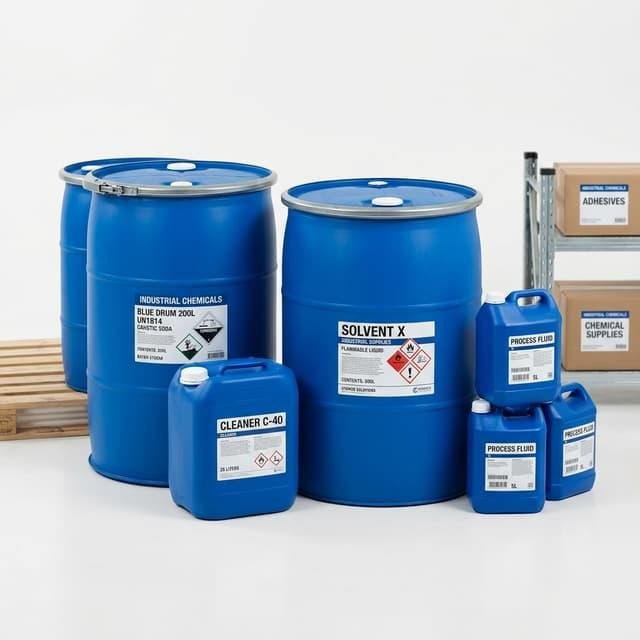
Chemical packaging is one of the most common applications for waterproof breathable membrane technology.
Containers holding fertilizers, pesticides, lubricants, and industrial chemicals may generate internal pressure changes caused by temperature variation or chemical vapor expansion.
Without proper venting, these pressure changes may lead to container deformation, leakage, or packaging failure.
How Vent Membranes Protect Chemical Containers
- Pressure Equalization: Allows gases to move in and out of containers.
- Leak Reduction: Reduces stress on container closures.
- Safety Improvement: Helps maintain packaging integrity during transportation.
- Product Reliability: Supports longer storage performance.
ePTFE Vent Plug and Vent Liner Applications
In practical packaging systems, waterproof breathable membranes are commonly integrated into ePTFE vent plugs and induction vent liners.
These solutions combine breathable membrane performance with mechanical structures designed for easy installation and reliable sealing.
- Chemical bottles and containers.
- Industrial liquid packaging.
- Lubricant containers.
- Agricultural chemical packaging.
- Specialty industrial products.
Waterproof Breathable Membranes for Battery Systems
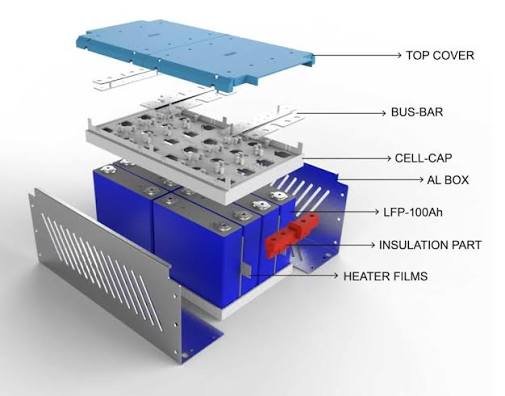
Battery systems require reliable protection against moisture, dust, and pressure fluctuations. As battery technology develops, pressure management has become an important factor in improving safety and reliability.
During charging, discharging, and temperature changes, battery modules may generate gases that increase internal pressure. A completely sealed enclosure may create stress on housing structures and sealing components.
A waterproof breathable membrane vent allows controlled gas exchange while protecting the battery enclosure from water and external contaminants.
Battery Venting Benefits
- Maintains internal and external pressure balance.
- Reduces stress on battery enclosure seals.
- Helps prevent moisture and water ingress.
- Supports stable operation under temperature variations.
- Improves long-term battery system reliability.
For electric vehicles, energy storage systems, and industrial batteries, selecting the correct venting solution is critical for maintaining enclosure performance.
Explore Battery Venting SolutionsWaterproof Breathable Membranes for Automotive Electronics
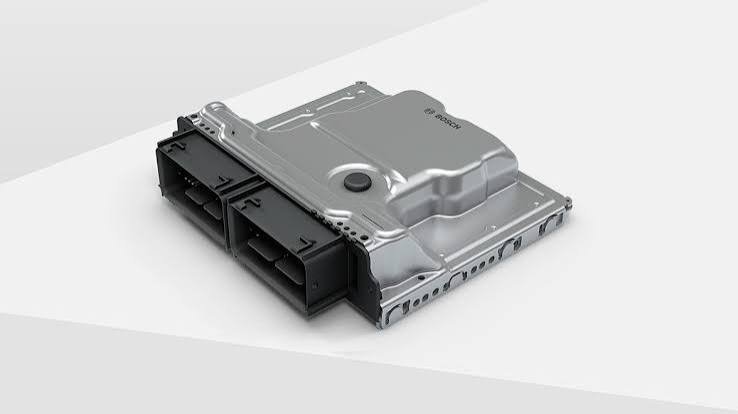
Automotive electronic components operate in environments where temperature changes, humidity, vibration, and contamination can affect performance.
Electronic housings must protect sensitive components while allowing pressure equalization. A waterproof breathable membrane provides a solution by combining environmental protection with controlled ventilation.
Typical Automotive Applications
- ECU electronic housings.
- Automotive sensors.
- Lighting systems.
- Battery management systems.
- Control modules.
Industrial Enclosure Venting Applications
Industrial equipment often operates in outdoor or harsh environments where protection against water, dust, and pressure changes is required.
A waterproof breathable vent allows equipment manufacturers to create protected enclosures without completely sealing internal air.
Common Industrial Applications
- Outdoor electrical cabinets.
- Industrial controllers.
- Sensors and monitoring devices.
- Communication equipment.
- LED and lighting systems.
Waterproof Breathable Membrane vs Traditional Materials
Different materials provide different levels of protection and ventilation. Choosing the correct material depends on application requirements.
| Material | Air Exchange | Water Protection | Chemical Resistance |
|---|---|---|---|
| Plastic Film | Poor | Excellent | Good |
| Foam Material | Good | Medium | Limited |
| Filter Paper | Good | Low | Limited |
| ePTFE Waterproof Breathable Membrane | Excellent | Excellent | Excellent |
Ventrase Waterproof Breathable Membrane Solutions
Ventrase develops advanced breathable membrane solutions for packaging, battery, electronics, and industrial applications.
Our products integrate high-performance ePTFE membranes with reliable vent structures to provide effective pressure equalization and environmental protection.
Recommended ePTFE Vent Products
Need help selecting the right venting solution?
Use Ventrase Vent Plug SelectorHow to Choose the Right Waterproof Breathable Membrane?
Selecting the correct waterproof breathable membrane depends on the application environment, required protection level, airflow demand, and installation method.
Engineers should consider the following factors when choosing a breathable membrane solution:
| Selection Factor | Important Consideration |
|---|---|
| Airflow Requirement | Select suitable airflow performance according to internal pressure changes. |
| Waterproof Performance | Evaluate water entry pressure and environmental protection requirements. |
| Chemical Resistance | Ensure compatibility with chemicals, oils, solvents, and industrial liquids. |
| Temperature Range | Confirm performance under operating temperature variations. |
| Installation Design | Choose suitable vent plugs, vent liners, or customized membrane assemblies. |
Why Choose Ventrase Waterproof Breathable Membrane Solutions?
Ventrase specializes in breathable membrane and venting technologies designed for industrial protection applications.
Ventrase Technology Advantages
- Advanced ePTFE membrane technology.
- Reliable waterproof breathable performance.
- Solutions for chemical packaging, batteries, electronics, and industrial equipment.
- Customized venting designs for different applications.
- Technical support for product selection and integration.
From ePTFE vent plugs to induction vent liners and customized breathable membrane solutions, Ventrase helps manufacturers improve product reliability through effective pressure management.
Contact Ventrase Technical TeamFrequently Asked Questions About Waterproof Breathable Membranes
What is a waterproof breathable membrane?
A waterproof breathable membrane is a functional material that allows air and gas transmission while preventing liquid water penetration.
How does a waterproof breathable membrane work?
A waterproof breathable membrane works through a microporous structure that allows gas molecules to pass while blocking larger water droplets.
Why is ePTFE used for breathable membrane applications?
ePTFE provides excellent waterproof performance, airflow capability, chemical resistance, and long-term stability, making it suitable for demanding industrial applications.
Where are waterproof breathable membranes used?
They are widely used in chemical packaging, battery systems, automotive electronics, industrial enclosures, and outdoor equipment.
What is the difference between a vent plug and a breathable membrane?
A breathable membrane is the functional material, while a vent plug integrates the membrane into a protective structure for easier installation.
Related Articles
Need a Waterproof Breathable Membrane Solution?
Ventrase provides ePTFE vent plugs, vent liners, and customized breathable membrane solutions for global industrial applications.
Request Technical Support