
Metal Embedded Packaging Vent Valve
The Metal Embedded Packaging Vent Valve is designed for sealed packaging containers that require pressure equalization and reliable liquid containment. It helps manage internal pressure changes that may occur during storage, transportation and use.
Designed for integration into compatible packaging structures, this vent valve can be considered for liquid containers, chemical packaging and other industrial applications. Final suitability should be confirmed against the container design and contents.
Request a Quote Explore Vent Solutions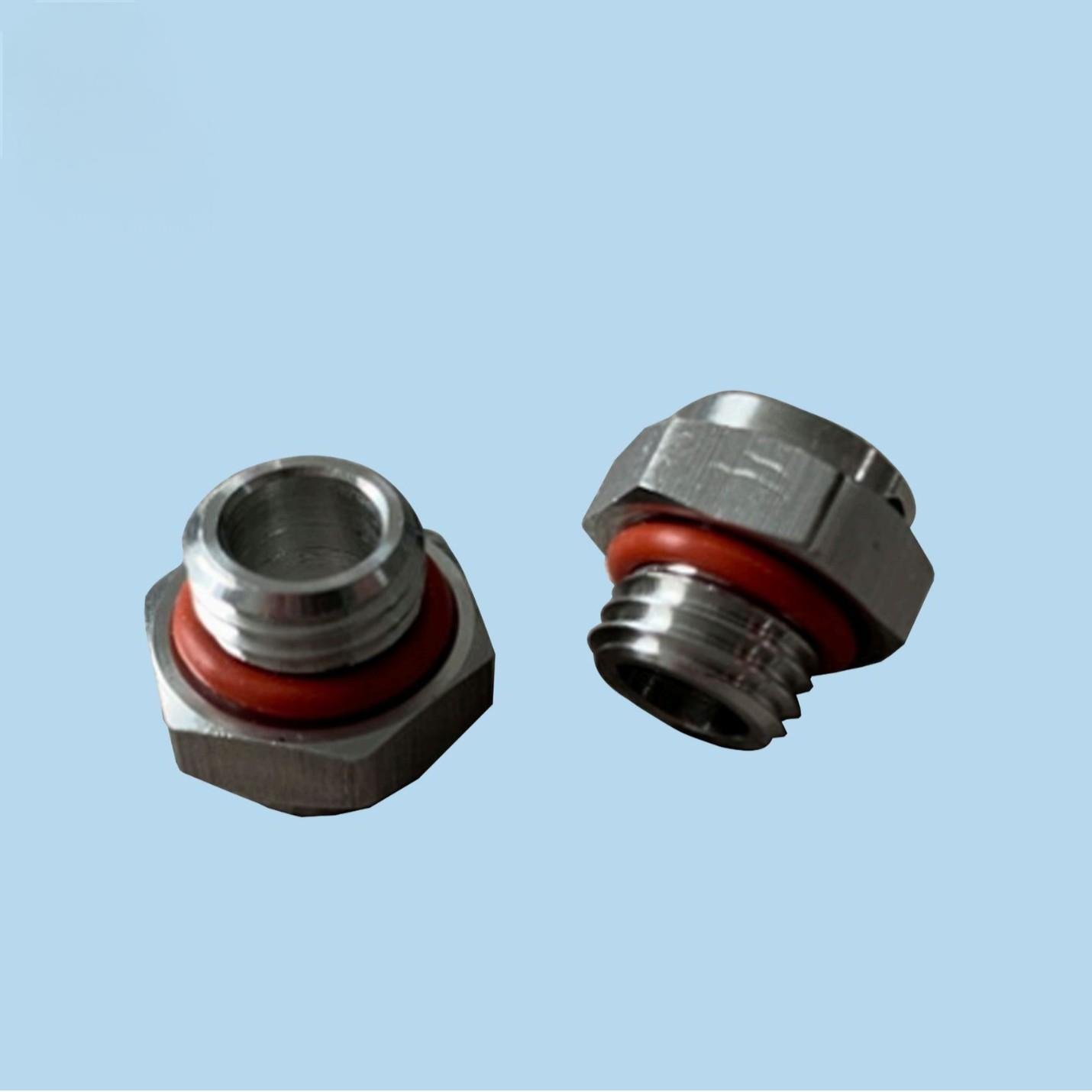
Pressure Equalization for Sealed Packaging
A packaging vent component designed to help manage pressure differences and support container stability.
Pressure Management
Supports air exchange to help reduce pressure differences between the container interior and the surrounding environment.
Container Protection
Helps reduce the risk of swelling and deformation associated with pressure buildup, subject to correct selection and system testing.
Embedded Structure
Designed for integration into compatible packaging structures where a compact venting component is required.
Metal Packaging Vent Valve Overview
Venting support for packaging systems exposed to changing pressure conditions.
The Metal Embedded Packaging Vent Valve is intended for sealed liquid packaging systems where pressure may change during storage, transportation or operation. Temperature variation, altitude changes and product-related gas generation can contribute to pressure differences inside a container.
Excessive pressure differences may contribute to container swelling, deformation, leakage or handling difficulties. A suitable vent valve provides a pathway for air exchange to help manage these pressure changes.
The valve’s actual performance depends on its internal structure, materials, installation method, container design and the properties of the packaged liquid. Application-specific evaluation is recommended before production use.
How the Packaging Vent Valve Works
Basic pressure equalization process in a compatible sealed packaging system.
Pressure Changes
Temperature, transport conditions or product-related gas generation may change pressure inside the container.
Air Exchange
The venting pathway allows air exchange between the container and the surrounding environment.
Pressure Adjustment
Air exchange helps reduce the pressure difference, depending on the valve’s venting capacity and conditions.
Container Support
Pressure management can help reduce pressure-related stress on a compatible packaging container.
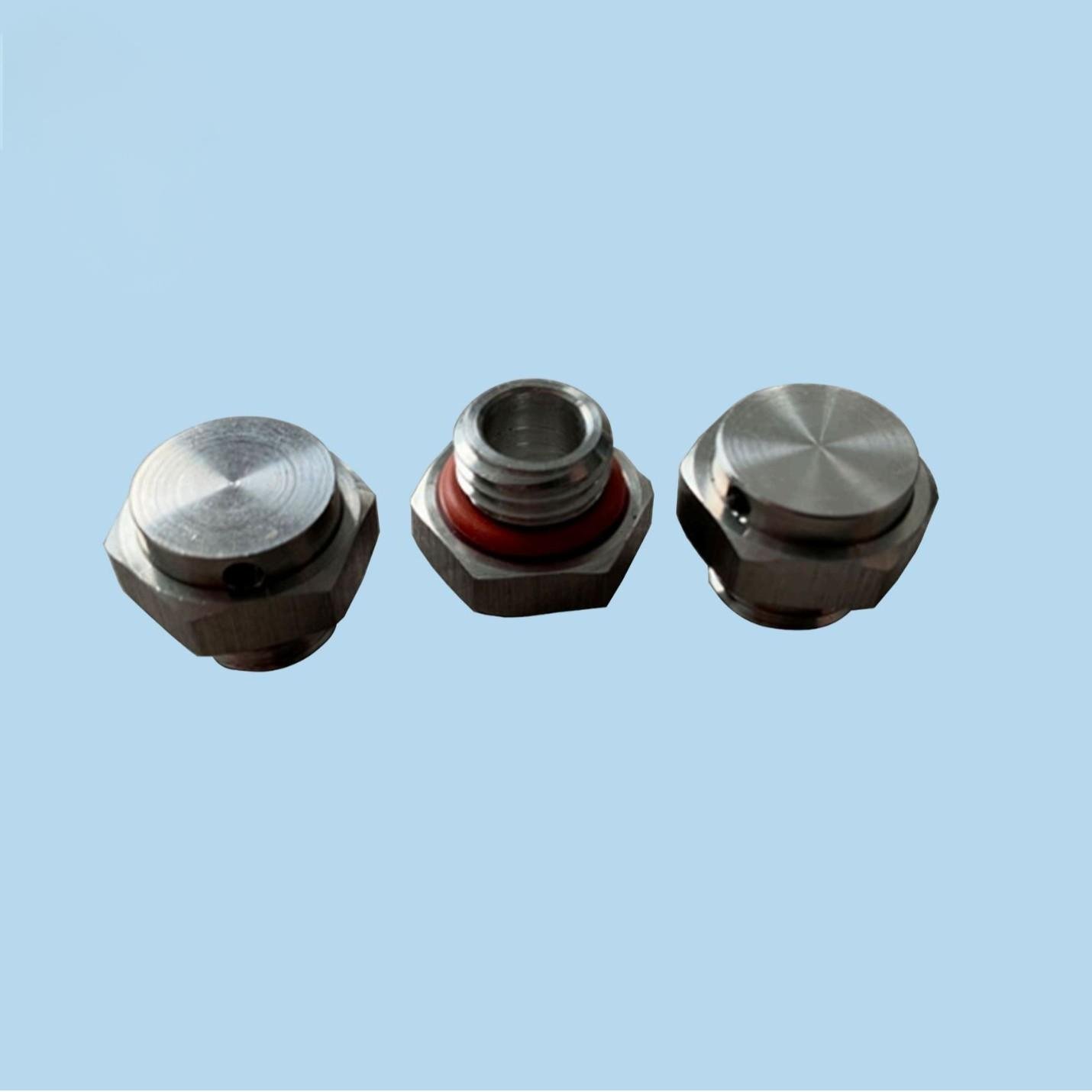
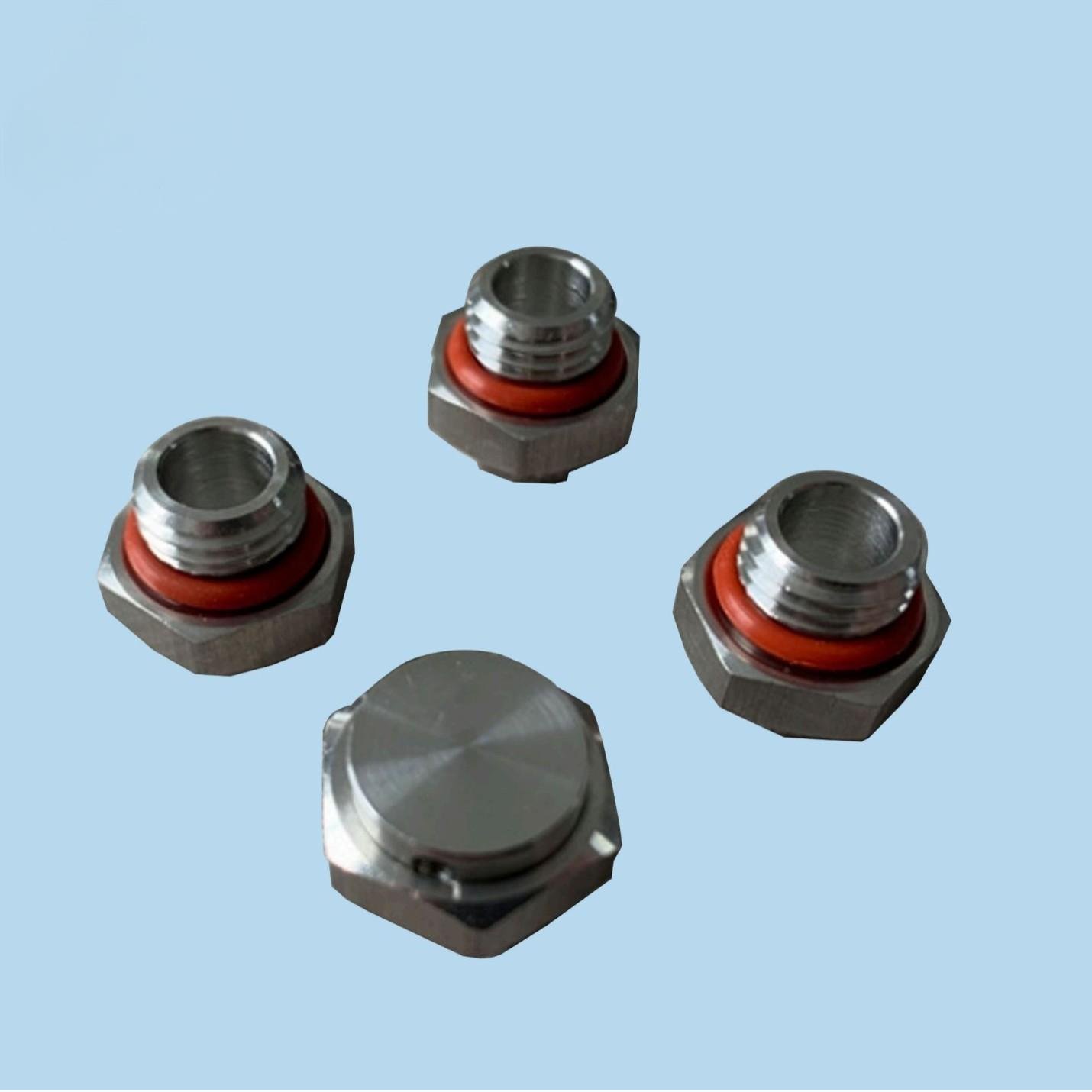
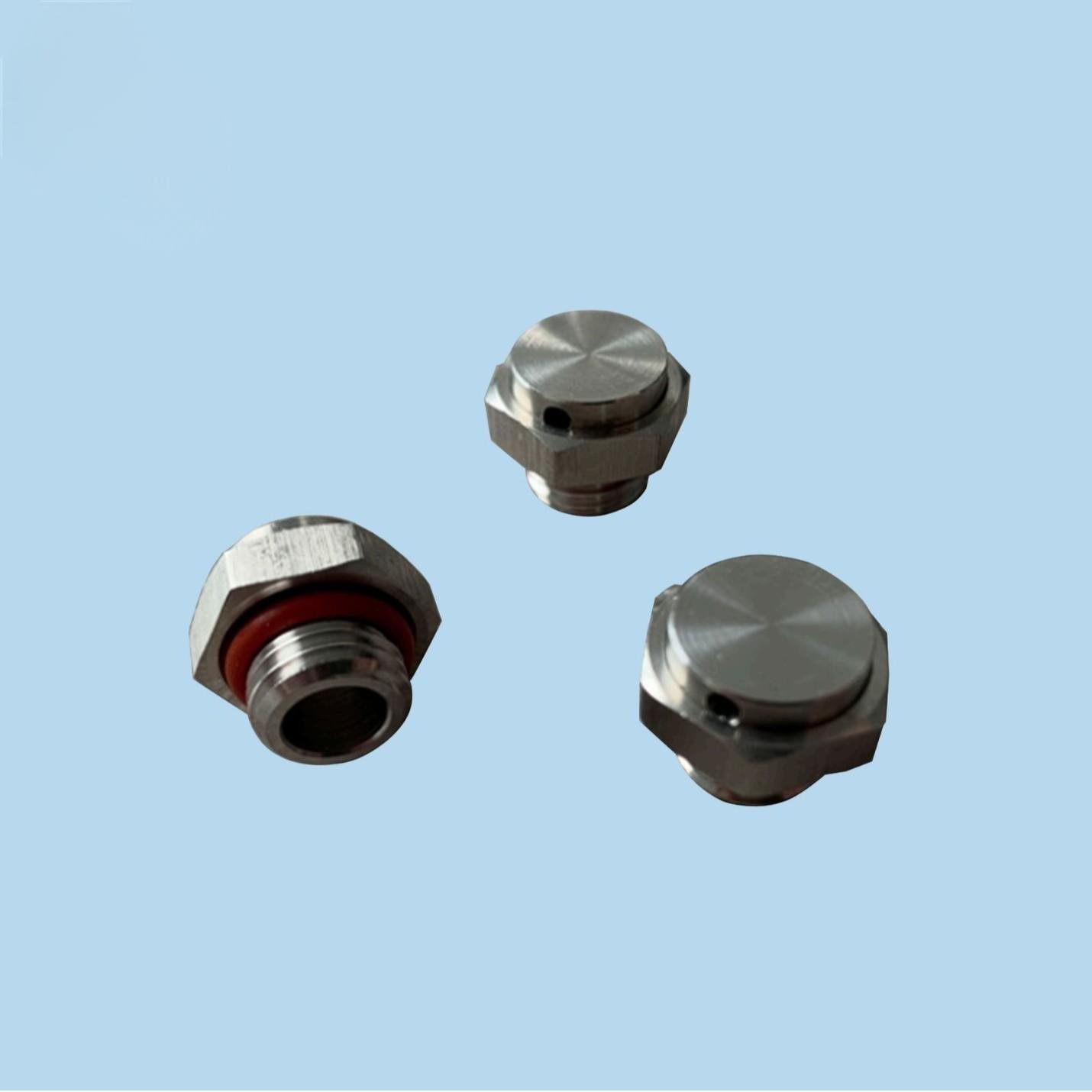
Metal Embedded Vent Valve Design
Product appearance and structural details.
Packaging Venting Design Considerations
Valve structure and material selection should match the actual packaging requirements.
Pressure Management
Venting capacity should be evaluated against the expected pressure changes, container volume and product conditions.
Liquid Resistance
The valve structure and materials should be assessed for exposure to the packaged liquid and the required leakage resistance.
Material Compatibility
Compatibility should be checked when the valve is used with chemicals, fertilizers, oils or other industrial liquids.
Packaging Integration
The installation design should match the container wall, mounting opening, sealing structure and assembly process.
Metal Packaging Vent Valve Technical Specifications
Confirm detailed engineering parameters with Ventrase according to your packaging design.
| Item | Specification |
|---|---|
| Product Name | Metal Embedded Packaging Vent Valve |
| Product Type | Embedded Packaging Vent Valve |
| Application | Sealed Liquid Packaging / Industrial Packaging |
| Installation Method | Embedded installation; confirm according to product design |
| Venting Performance | To be confirmed according to application requirements |
| Liquid Resistance | Application-specific evaluation required |
| Material | Confirm according to product specification |
| Container Compatibility | Confirm according to packaging design |
| Customization | Subject to product design and technical requirements |
For airflow, pressure resistance, liquid resistance, installation dimensions and material details, please contact our engineering team.
Performance Characteristics
Key factors to evaluate when selecting a packaging vent valve.
Pressure Equalization
Supports pressure balancing in sealed containers when the venting capacity matches the application requirements.
Reduced Swelling Risk
Pressure management may help reduce container deformation caused by internal pressure buildup.
Liquid Containment Support
Liquid containment performance must be verified for the specific liquid, pressure and installation conditions.
Application Compatibility
Material, sealing and venting performance should be validated with the intended container and contents.
Metal Packaging Vent Valve Applications
Potential applications where pressure equalization and packaging stability are important.
Chemical Packaging
For compatible chemical packaging systems subject to internal pressure changes. Confirm material compatibility before use.
Agrochemical Packaging
For selected agricultural chemical and fertilizer containers where pressure equalization is required.
Industrial Liquid Containers
For industrial liquid packaging where pressure changes may affect container stability.
Plastic Drums and Containers
For compatible drums and larger packaging containers subject to pressure variation.
Lubricant and Oil Packaging
For selected oil and lubricant packaging applications, subject to liquid and material compatibility.
Custom Packaging Systems
For packaging designs requiring an embedded venting component, subject to engineering review.
Metal Vent Valve Installation Guide
Follow the approved product drawing and assembly instructions for the specific valve design.
Prepare Mounting Position
Confirm the mounting location, opening dimensions and container wall structure against the product specification.
Install the Valve
Use the recommended assembly method and ensure the valve is correctly aligned and fitted.
Check the Seal
Inspect the assembled valve for correct positioning, fit and sealing condition.
Validate the System
Test airflow, pressure balance and liquid leakage under the intended application conditions.
Vent Valve Advantages Compared with Conventional Sealed Plugs
General functional comparison. Actual performance depends on product design and validation testing.
| Feature | Conventional Sealed Plug | Packaging Vent Valve |
|---|---|---|
| Pressure Control | Does not provide continuous ventilation | Provides a venting pathway for pressure equalization |
| Container Swelling | Pressure may accumulate in a fully sealed container | Can help reduce pressure-related deformation when correctly selected |
| Air Exchange | Generally no designed air exchange | Designed to support air exchange |
| Application Suitability | Depends on sealed-container requirements | For compatible packaging systems requiring pressure management |
Testing and Quality Validation
Packaging vent valves should be evaluated under the actual operating conditions of the packaging system.
Airflow Testing
Evaluates ventilation capacity under specified pressure conditions.
Learn More About TestingLiquid Leakage Testing
Evaluates liquid containment under defined operating conditions.
Pressure Testing
Assesses performance under specified pressure conditions.
Material Compatibility
Checks compatibility between valve materials and the intended packaging contents.
Related Ventrase Venting Solutions
Explore other venting products for packaging and industrial applications.
Frequently Asked Questions
What is a metal embedded packaging vent valve?
It is a venting component designed to be integrated into compatible packaging structures to support pressure equalization between the container interior and the surrounding environment.
Why do liquid packaging containers need vent valves?
Temperature changes, transportation conditions and product-related gas generation may cause pressure changes inside sealed containers. A suitable vent valve helps manage these pressure differences.
Can a packaging vent valve help prevent container swelling?
A correctly selected vent valve can help reduce pressure buildup and the risk of container swelling. Actual results depend on airflow capacity, container design and operating conditions.
Can the vent valve prevent liquid leakage?
Liquid containment must be confirmed for the specific liquid, pressure conditions, valve design and installation. Application testing is recommended before use.
Can this vent valve be used for chemical packaging?
It may be suitable for selected chemical packaging applications. Material compatibility and venting performance should be confirmed for the chemical composition and operating conditions.
How do I select the right packaging vent valve?
Selection depends on container size, pressure generation, airflow requirements, liquid properties, installation design and leakage prevention requirements. Contact Ventrase for technical support.
Why Choose Ventrase
Engineering support for waterproof breathable venting and packaging pressure management.
Vent Solution Experience
Focused on venting solutions for packaging and industrial applications.
Engineering Support
Support for vent selection, pressure equalization requirements and packaging design evaluation.
Application Testing
Testing recommendations for airflow, pressure performance and liquid compatibility.
Need a Packaging Pressure Equalization Solution?
Tell us about your container design, packaging contents and venting requirements. Our team can help review the application and discuss suitable options.
Contact Ventrase Explore Products