
How ePTFE Vent Plugs Improve Pressure Management in Chemical Packaging
Chemical packaging must withstand temperature changes, transportation pressure, and demanding storage conditions. When pressure builds up inside a sealed container, it can cause bottle swelling, deformation, leakage, or closure failure.
An ePTFE vent plug provides a practical way to manage pressure differences while helping protect the contents from liquid ingress. In this guide, we explain how vent plugs work, where they are used, and how to select the right solution for your packaging.
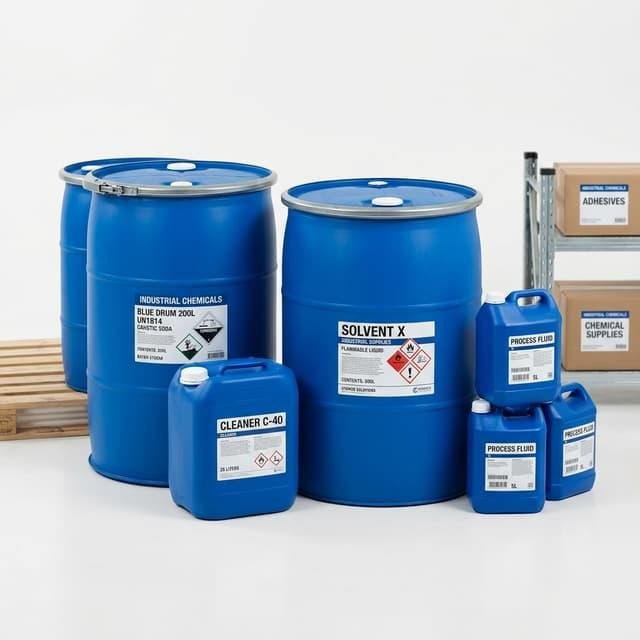
1. Why Is Pressure Equalization Important?
Pressure inside a sealed container can change because of temperature fluctuations, altitude changes during transportation, or gas generation from the packaged product.
Common packaging challenges include:
- Bottle swelling or container deformation
- Liquid leakage during transportation
- Increased stress on caps and seals
- Packaging failures caused by pressure differences
A properly selected vent plug allows controlled gas exchange between the container and the surrounding environment. This can help reduce pressure-related risks while maintaining the required level of liquid protection.
Learn more about our industrial venting applications and how different venting solutions address packaging challenges.
2. How Does an ePTFE Vent Plug Work?
Expanded polytetrafluoroethylene (ePTFE) is a microporous material with a hydrophobic structure. Its pores allow air and other gases to pass through while helping prevent liquid water from penetrating the membrane.
An ePTFE vent plug combines this membrane with a housing designed for installation into a container or enclosure. The complete assembly provides a controlled pathway for pressure equalization without relying on an open hole.
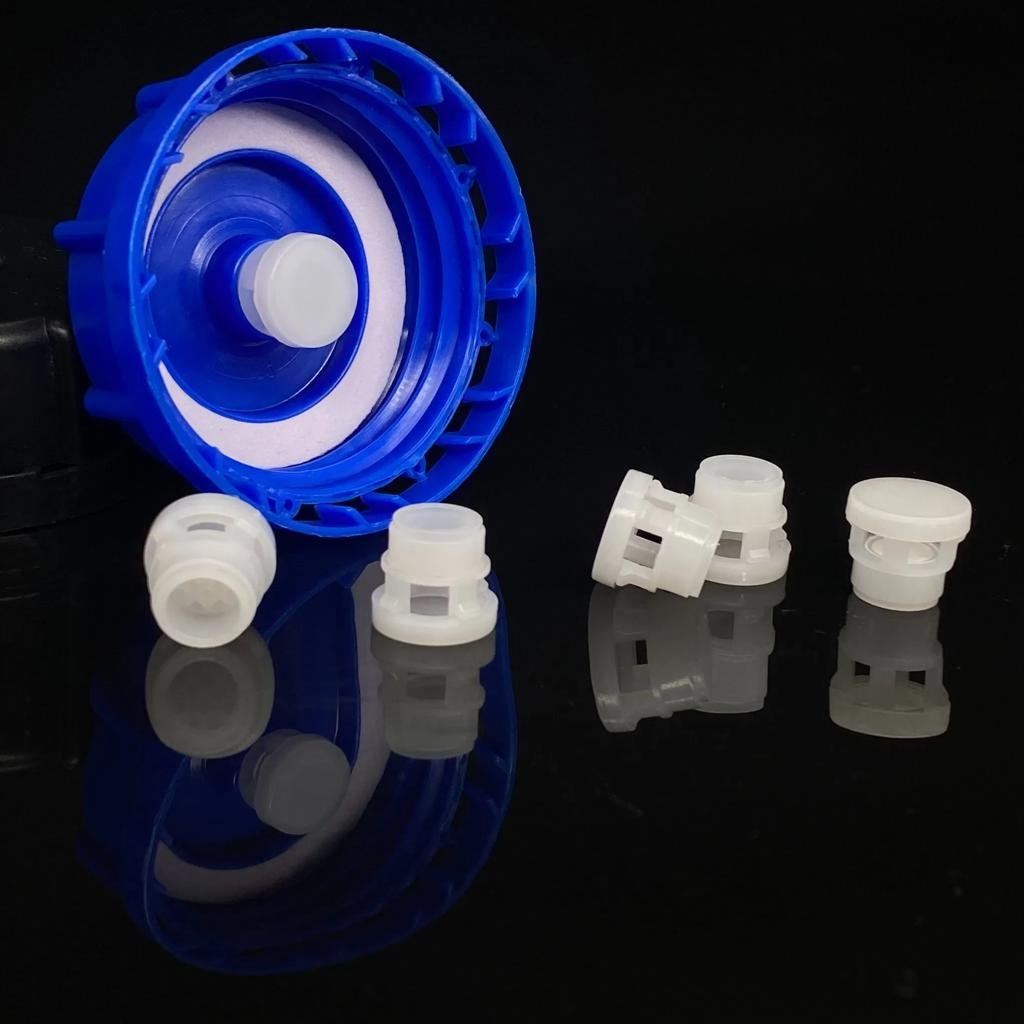
Key Benefits of ePTFE Vent Technology
- Pressure equalization: Helps reduce pressure differences inside sealed containers.
- Waterproof protection: Helps prevent liquid water ingress when the complete assembly is properly designed and installed.
- Breathable performance: Supports controlled air and gas exchange.
- Chemical resistance: ePTFE offers broad chemical resistance, although compatibility of the complete vent assembly must be evaluated.
- Flexible integration: Different sizes and structures can accommodate different packaging designs.
For more technical information, read our guide to how ePTFE vent membranes work .
3. Applications in Chemical and Industrial Packaging
Agrochemical Containers
Pesticides, herbicides, fertilizers, and other agricultural chemicals may require effective pressure management during storage and transportation. A suitable vent plug can help reduce the risk of container deformation and leakage.
Industrial Chemical Containers
Industrial liquids and chemical formulations may be exposed to temperature variations and long transportation cycles. Venting performance should be selected according to the formulation, container volume, expected pressure changes, and required liquid protection.
Lubricant and Oil Packaging
Lubricant containers can experience pressure changes during distribution. A properly designed venting solution may help maintain package integrity.
Large Industrial Drums
Large containers require particular attention to airflow capacity and pressure management. A drum vent should be selected according to container size, gas generation, handling conditions, and required protection.
Explore our ePTFE waterproof breathable vent plug range to compare solutions for different container sizes and applications.
4. How to Choose the Right ePTFE Vent Plug
Airflow Requirements
Determine how quickly the container needs to equalize pressure. Required airflow depends on container volume, pressure variation, gas generation, and the time available for pressure equalization.
Water Entry Pressure
Evaluate the required water resistance under actual service conditions. The membrane, housing, sealing interface, and installation quality all affect the performance of the complete assembly.
Chemical Compatibility
Consider the packaged liquid, chemical concentration, exposure duration, and operating temperature. The housing and sealing materials must also be compatible with the product.
Installation and Container Design
Check the available installation space, opening dimensions, wall thickness, and closure design. A press-fit vent plug may suit one container, while another application may require a breathable liner or customized structure.
For a more detailed selection process, visit our ePTFE vent membrane selection guide .
5. Explore Ventrase ePTFE Vent Plug Models
Ventrase provides different vent plug designs to accommodate various packaging dimensions and airflow requirements.
D10 ePTFE Vent Plug
A compact option for smaller containers that require controlled pressure equalization and liquid protection. View the D10 vent plug .
D15 ePTFE Vent Plug
Designed for chemical packaging, lubricant containers, and general industrial applications requiring pressure management. View the D15 vent plug .
D17 ePTFE Vent Plug
An option for applications with specific airflow requirements. Confirm performance against the application’s specifications. View the D17 vent plug .
D38 Drum Vent Plug
Designed for large-volume containers and industrial drums that require suitable pressure equalization and venting capacity. Explore the vent plug series .
6. Why Work with an ePTFE Vent Plug Manufacturer?
Standard products can meet many common packaging needs. However, demanding applications may require adjustments to dimensions, airflow, housing materials, membrane performance, or installation structure.
When evaluating an ePTFE vent plug manufacturer, consider:
- Available product sizes and customization options
- Airflow and water resistance test data
- Material compatibility with the packaged product
- Sample testing and engineering support
- Production consistency and quality control
Ventrase supports ePTFE vent plugs, breathable vent liners, and customized venting solutions for packaging and industrial applications.
7. Frequently Asked Questions
What is an ePTFE vent plug?
An ePTFE vent plug is a venting component that combines a microporous expanded PTFE membrane with a housing. It allows controlled gas exchange while helping prevent liquid ingress.
Can an ePTFE vent plug prevent chemical bottle swelling?
It can help reduce swelling caused by pressure buildup when its airflow capacity is appropriate for the application. Results depend on the chemical formulation, gas generation, container design, and operating conditions.
Are ePTFE vent plugs suitable for all chemicals?
No single vent assembly is suitable for every chemical. Although ePTFE has broad chemical resistance, the housing, seals, and other components must be evaluated against the actual formulation.
How do I choose the correct vent plug size?
Consider container volume, required airflow, pressure conditions, installation dimensions, chemical compatibility, and waterproof requirements. Sample testing can help verify the selected design.
Conclusion: Choose a Venting Solution That Fits Your Application
ePTFE vent plugs can help chemical and industrial packaging manage pressure differences while maintaining protection against liquid ingress. The best solution depends on the container, packaged product, required airflow, and environmental conditions.
Need help selecting a vent plug for your project? Contact the Ventrase team to discuss your application, request product information, or arrange sample evaluation.
For additional technical information, visit the Ventrase ePTFE membrane knowledge center .