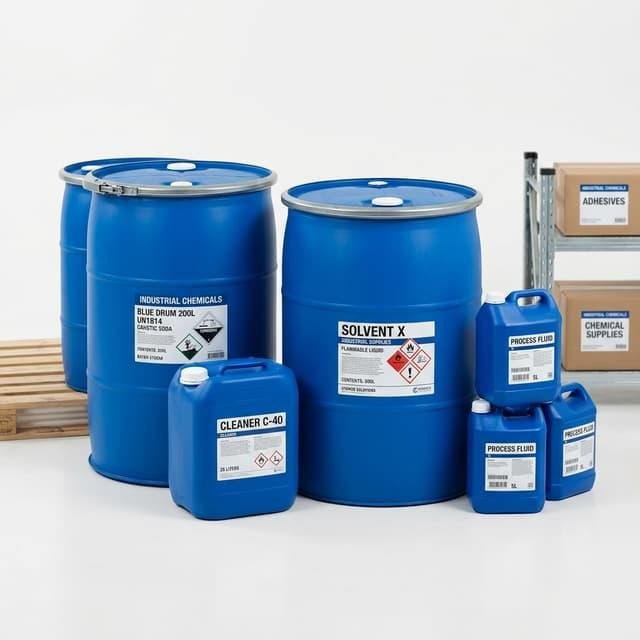
How ePTFE Vent Plugs Prevent Container Swelling and Leakage
Sealed containers are designed to protect liquids from contamination, moisture and leakage. However, a completely sealed container can also create pressure problems during storage and transportation. Temperature changes, chemical reactions and changes in environmental conditions can cause pressure to build up inside a container.
An ePTFE vent plug provides a controlled path for air and gas exchange while helping prevent water, liquid and contaminants from entering the container. This makes ePTFE venting technology useful for chemical packaging, agrochemical containers, lubricant packaging and other industrial applications.
Explore Ventrase ePTFE Vent Plugs
What Is an ePTFE Vent Plug?
An ePTFE vent plug is a pressure-equalization component that uses an expanded polytetrafluoroethylene membrane, commonly known as ePTFE.
The membrane has a microporous structure. It allows air and gas to pass through while its hydrophobic properties help prevent liquid water from entering the container.
Depending on the application, an ePTFE vent plug can provide several important functions:
- Pressure equalization
- Controlled air and gas exchange
- Waterproof protection
- Protection against contamination
- Chemical resistance
- Reduced risk of container deformation and leakage
Why Do Sealed Containers Need Venting?
A container may be filled and sealed under normal conditions, but its internal pressure can change later. Temperature fluctuations, transportation, altitude changes and chemical reactions can all affect the pressure inside a sealed container.
If the container cannot release or exchange gas, pressure differences may create problems such as swelling, deformation, leakage or container collapse.
1. Container Swelling
When internal pressure increases, it pushes against the container walls and closure system. Plastic bottles and other flexible containers may gradually swell or deform.
2. Leakage Risk
Excessive internal pressure can place additional stress on caps, liners and sealing components. Pressure equalization can help reduce this stress and support package integrity.
3. Container Collapse
Pressure can also become lower inside the container than outside. This negative pressure may cause flexible containers to deform inward.
4. Transportation Problems
Containers can experience repeated temperature and pressure changes during transportation. A suitable venting system can help manage these pressure differences throughout the transportation process.
How Does an ePTFE Vent Plug Work?
The operating principle of an ePTFE vent plug is relatively simple. The vent creates a controlled path between the internal and external environments.
- Pressure difference develops: Temperature changes, chemical reactions or transportation conditions create a pressure difference.
- Gas moves through the membrane: Air and gas can pass through the microporous ePTFE membrane.
- Pressure gradually equalizes: Gas exchange reduces the pressure difference between the inside and outside of the container.
- Liquid protection remains: The hydrophobic membrane helps prevent liquid water and other contaminants from entering.
This combination of breathability and waterproof protection is one of the key advantages of ePTFE venting technology.
For a more detailed explanation of the membrane structure and pressure-equalization mechanism, visit the Ventrase technical guide on how vent membranes work .
Why Is ePTFE Used for Industrial Venting?
The performance of an ePTFE vent is closely related to its microporous membrane structure. The membrane provides pathways for air and gas exchange while its hydrophobic properties help resist liquid penetration.
Ventrase develops ePTFE venting solutions for applications where pressure equalization, waterproof protection and chemical resistance are important.
Learn more about Ventrase ePTFE Venting Technology
Where Are ePTFE Vent Plugs Used?
ePTFE vent plugs are used in a wide range of packaging and industrial applications. The correct vent design depends on the container structure, pressure requirements, liquid characteristics and environmental conditions.
Chemical Packaging
Chemical containers may experience pressure changes during filling, transportation, storage and temperature fluctuations. ePTFE vent plugs can help equalize pressure while helping prevent liquid leakage and contamination.
Explore Chemical Packaging Venting Solutions
Agrochemical Packaging
Agricultural chemicals such as fertilizers and pesticides may require reliable pressure management. Proper venting can help reduce the risk of bottle swelling, deformation and leakage.
Explore Agrochemical Packaging Solutions
Lubricant Packaging
Lubricants and industrial oils may experience temperature changes during storage and transportation. Breathable venting can help maintain more stable pressure inside the container.
Electronics Enclosures
Waterproof breathable membranes can also be used in sealed electronic enclosures. The vent allows pressure equalization and air exchange while helping protect the enclosure from moisture and environmental contamination.
Explore Electronics Venting Solutions
D10, D15, D17 or D38: Which Vent Plug Should You Choose?
Ventrase offers several standard ePTFE vent plug designs for different container sizes and applications. The correct product should be selected according to the complete application requirements rather than diameter alone.
- D10: Compact venting applications
- D15: Small bottles and compact packaging
- D17: Industrial bottles and packaging requiring higher airflow
- D38: Large containers, drums and industrial packaging
You can review the complete product family here:
View All Ventrase ePTFE Vent Plugs
D15 Press-Fit ePTFE Vent Plug
The D15 is a compact waterproof breathable vent plug designed for chemical packaging, agrochemical containers, lubricant bottles and industrial applications.
D17 Press-Fit ePTFE Vent Plug
The D17 combines a durable housing with a microporous ePTFE membrane to provide continuous pressure equalization while helping prevent water and liquid intrusion.
D38 Drum ePTFE Vent Plug
The D38 is designed for larger containers and industrial drums where reliable pressure management and waterproof protection are required.
ePTFE Vent Plug vs. Breathable Vent Liner
Vent plugs and breathable vent liners can both provide pressure-management functions, but their installation methods and packaging structures are different.
An ePTFE vent plug is normally installed into a prepared hole in a container, closure or housing.
A breathable vent liner is integrated into a bottle cap or closure and can combine sealing and venting functions.
Ventrase offers several breathable liner structures, including aluminum foil, PE foam, EPE, aluminum foil foam and other vent liner solutions.
Explore Breathable Vent Liner Solutions
What Should Engineers Test?
Selecting an ePTFE vent based only on the nominal airflow rate may not be sufficient for demanding industrial applications.
Engineers may need to evaluate:
- Airflow performance
- Waterproof performance
- Water entry pressure
- Chemical resistance
- Temperature resistance
- Installation reliability
- Long-term venting performance
Ventrase provides technical resources and testing support for venting applications.
Explore Ventrase Testing & Validation
How to Select the Right ePTFE Vent Plug
A practical vent selection process can start with the following questions:
- What is the container volume? Larger containers generally require different venting performance than small bottles.
- What liquid or chemical is inside? Chemical compatibility should be considered when selecting membrane and housing materials.
- How much pressure change is expected? Temperature, chemical reactions and transportation conditions can affect internal pressure.
- What installation method is available? The vent diameter and installation structure must match the container.
- What level of waterproof protection is required? Outdoor and industrial applications may require more demanding waterproof performance.
Ventrase provides a range of venting products for different packaging and industrial applications.
Custom ePTFE Vent Plug Solutions
Standard vent plugs are suitable for many applications, but some packaging systems require customized dimensions, airflow performance, materials or installation structures.
Ventrase supports customized venting solutions based on application requirements, including:
- Customized vent dimensions
- Customized airflow requirements
- Different housing materials
- Application-specific membrane specifications
- Customized pressure requirements
- OEM vent development
Explore Custom OEM Venting Solutions
Conclusion
An ePTFE vent plug provides a controlled interface between the inside and outside of a sealed container. By allowing air and gas exchange while helping prevent liquid penetration, it can help manage pressure changes and reduce packaging problems such as swelling, deformation and leakage.
For chemical packaging, agrochemical containers, lubricant bottles, industrial drums and selected electronic enclosures, the correct venting solution should be selected according to the actual pressure, airflow, chemical and environmental requirements.
Ventrase provides standard ePTFE vent plugs as well as customized OEM venting solutions for industrial packaging and protection applications.