
What Is an ePTFE Vent Membrane?
A Complete Guide to Waterproof Breathable Venting Technology for Industrial Applications
Introduction: Understanding ePTFE Vent Membranes
An ePTFE vent membrane is an advanced breathable material designed to allow air and gas exchange while preventing water, liquid, and contaminants from entering a protected system.
Made from expanded polytetrafluoroethylene (ePTFE), this microporous membrane technology provides excellent waterproof performance, airflow capability, chemical resistance, and long-term reliability.
Today, ePTFE vent membranes are widely used in chemical packaging, battery systems, electronics enclosures, automotive components, and industrial equipment where controlled pressure equalization is required.
What Does an ePTFE Vent Membrane Do?
- Allows air and gas exchange while maintaining protection.
- Prevents water and liquid penetration.
- Balances internal and external pressure.
- Reduces packaging deformation caused by pressure changes.
- Improves reliability of industrial products.
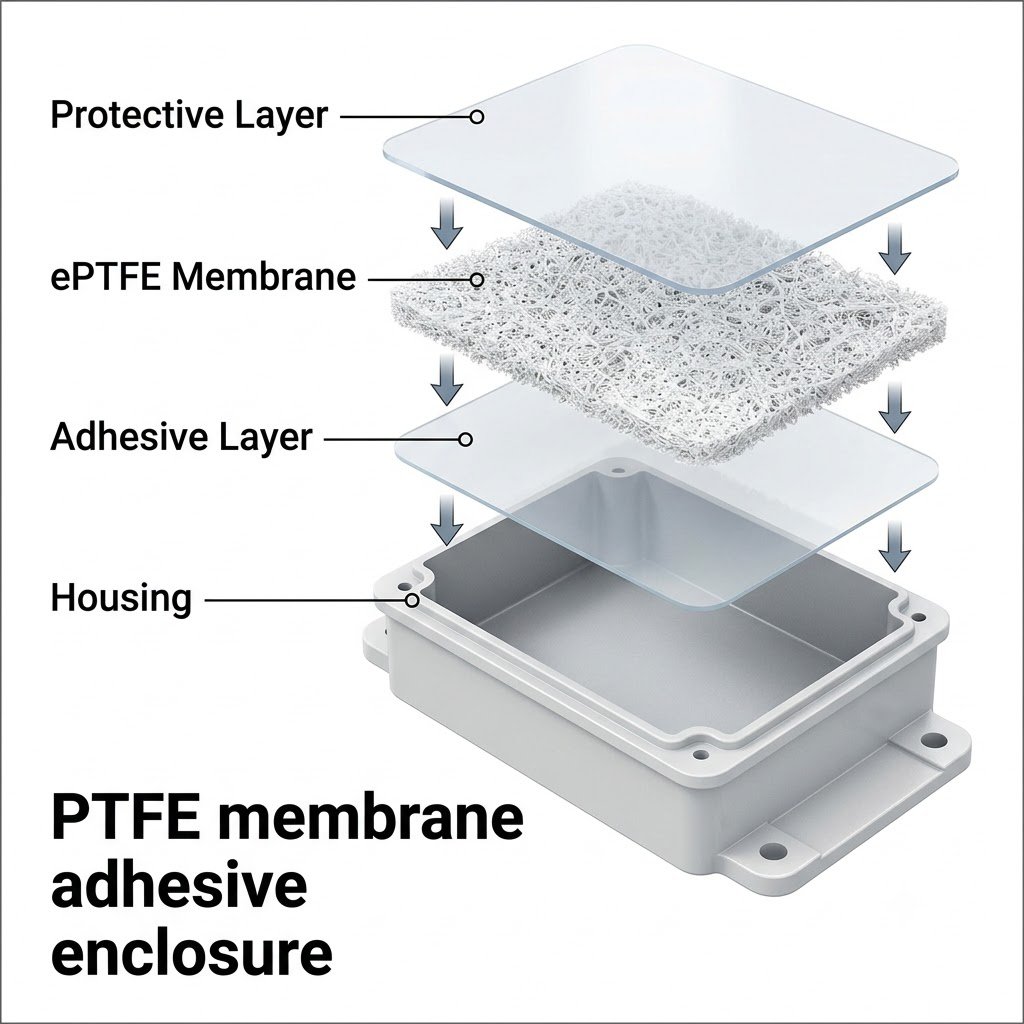
How Does an ePTFE Vent Membrane Work?
The working principle of an ePTFE vent membrane is based on its unique microporous structure.
During manufacturing, PTFE material is expanded to create millions of microscopic pores. These pores allow air molecules and gases to pass through while blocking water droplets and liquid contaminants.
Microporous PTFE Structure Principle
PTFE Material
↓
Expanded Microporous Structure
↓
Air & Gas Exchange
↓
Waterproof Breathable Protection
Unlike traditional sealing materials that completely block airflow, an ePTFE venting membrane provides controlled ventilation without sacrificing environmental protection.
Why Is ePTFE Used for Venting Applications?
Many industrial products require both sealing protection and pressure balance. A completely sealed system may trap gases created by temperature changes, chemical reactions, or transportation conditions.
Common situations that create pressure differences include:
- Temperature fluctuations during storage and transportation.
- Altitude changes during global shipping.
- Gas generation inside chemical containers.
- Heating and cooling cycles in electronic enclosures.
Without Proper Venting:
- Container deformation
- Leakage risk
- Seal stress
- Reduced product reliability
By integrating an ePTFE vent membrane, manufacturers can achieve continuous pressure equalization while maintaining waterproof protection.
Waterproof Breathable Technology of ePTFE Membranes
The most important feature of an ePTFE vent membrane is its ability to provide waterproof and breathable performance at the same time.
Traditional sealing materials can block liquids but may prevent necessary gas exchange. In contrast, ePTFE technology creates a balance between protection and ventilation through its engineered microporous structure.
How Waterproof Breathable Performance Works
- Micropores allow air molecules and gases to pass through.
- Water droplets are blocked due to surface tension.
- Liquid contaminants cannot easily penetrate the membrane.
- Internal pressure can continuously equalize with the external environment.
Key Advantages of ePTFE Vent Membranes
Compared with conventional venting materials, ePTFE venting membranes provide stable performance in demanding industrial environments.
| Feature | Benefit |
|---|---|
| Waterproof Protection | Prevents water, moisture, and liquid contamination from entering protected systems. |
| Breathability | Allows continuous airflow and gas exchange. |
| Chemical Resistance | Suitable for chemical packaging and harsh industrial environments. |
| Temperature Resistance | Maintains performance under temperature variations. |
| Long-Term Reliability | Provides stable venting performance throughout product lifetime. |
ePTFE Vent Membranes for Chemical Packaging
Chemical packaging is one of the most important applications for ePTFE vent membrane technology.
Containers used for fertilizers, pesticides, cleaning chemicals, lubricants, and industrial liquids may experience internal pressure changes during transportation and storage.
Temperature variations and chemical vapor generation can cause pressure differences inside containers. Without proper venting, packaging may experience deformation, leakage, or sealing problems.
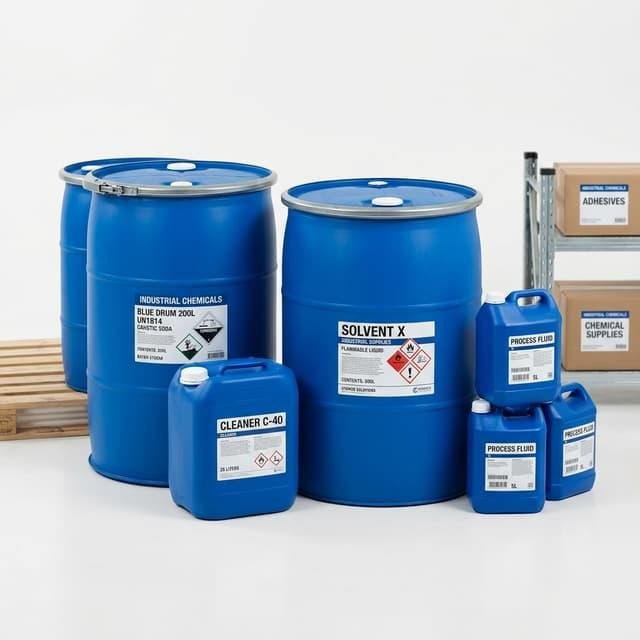
Why Chemical Containers Need Venting
- Pressure Equalization: Prevents excessive internal pressure buildup.
- Leak Prevention: Reduces stress on container seals and closures.
- Transportation Safety: Improves packaging stability during shipping.
- Product Protection: Helps maintain container performance throughout storage.
An ePTFE vent plug or breathable vent liner provides controlled gas exchange while maintaining liquid resistance.
Ventrase offers venting solutions designed for chemical containers, including press-fit ePTFE vent plugs and induction vent liners.
Explore Chemical Packaging Venting SolutionsApplications of ePTFE Venting Technology in Chemical Packaging
Different chemical products require different venting solutions depending on container size, chemical properties, and transportation conditions.
- Agricultural chemical containers
- Fertilizer packaging
- Industrial chemical drums
- Lubricant containers
- Cleaning product packaging
ePTFE Vent Plug and Vent Liner Solutions
The ePTFE membrane can be integrated into different product designs depending on the packaging structure.
| Solution | Typical Application |
|---|---|
| ePTFE Vent Plug | Chemical containers, drums, industrial packaging |
| Press Fit Vent Plug | Secure installation in plastic housings and containers |
| Induction Vent Liner | Bottle caps and sealed packaging systems |
ePTFE Vent Membranes for Battery Systems
Modern battery systems require reliable protection against moisture, dust, and pressure changes. As battery technology develops, thermal management and gas control become increasingly important.
During operation, battery cells may generate gases caused by chemical reactions and temperature variations. A completely sealed enclosure can create internal pressure buildup, which may affect enclosure reliability.
An ePTFE pressure equalization vent provides controlled gas exchange while maintaining protection against water and environmental contamination.
Benefits of Battery Venting Solutions
- Maintains pressure balance inside battery housings.
- Reduces stress on enclosure seals.
- Helps protect against moisture and dust ingress.
- Supports reliable operation in demanding environments.
- Improves long-term enclosure durability.
For battery packs, electric vehicles, and energy storage systems, selecting the correct breathable vent solution is critical for safety and performance.
Explore Battery Venting SolutionsePTFE Vent Membranes for Electronics Enclosures
Electronic devices used outdoors or in industrial environments require protection against humidity, dust, and changing temperatures.
However, completely sealed housings may trap internal pressure caused by heating and cooling cycles.
An ePTFE breathable vent membrane allows continuous airflow while maintaining environmental protection.
Typical Electronics Applications
- Outdoor electronic enclosures
- Industrial controllers
- Sensors and monitoring equipment
- LED lighting systems
- Automotive electronic components
Induction Vent Liner with ePTFE Membrane Technology
Besides vent plugs, induction vent liners are another important application of breathable membrane technology.
An induction vent liner combines sealing performance with controlled ventilation. It is commonly used in bottles, containers, and packaging systems where pressure management and leakage prevention are required.
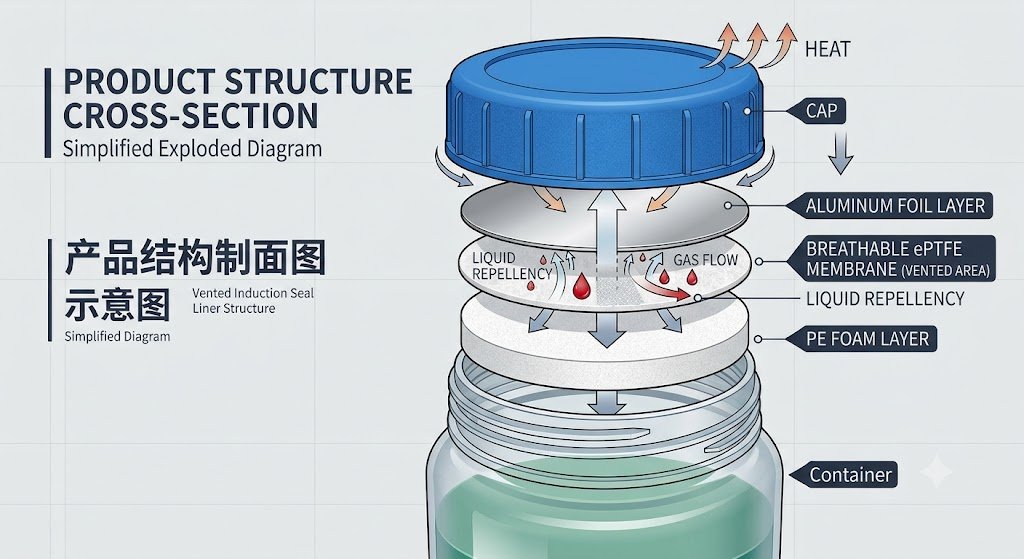
Advantages of Induction Vent Liners
- Maintains container sealing performance.
- Provides controlled gas release.
- Helps prevent bottle swelling and deformation.
- Suitable for chemical, industrial, and specialty packaging.
- Compatible with automated packaging processes.
ePTFE Vent Membrane vs Traditional Vent Materials
Different venting materials provide different levels of protection and performance. ePTFE technology offers a balanced solution for applications requiring waterproof protection, airflow, and chemical resistance.
| Material | Waterproof Performance | Breathability | Chemical Resistance |
|---|---|---|---|
| Foam Vent | Medium | Medium | Limited |
| Filter Paper | Low | Good | Limited |
| PE Membrane | Good | Good | Medium |
| ePTFE Vent Membrane | Excellent | Excellent | Excellent |
Ventrase ePTFE Vent Plug Solutions
Ventrase provides engineered ePTFE vent plug solutions for packaging, battery, electronics, and industrial applications.
Our products combine high-performance breathable membranes with reliable mechanical structures for easy integration into different systems.
Recommended Products
How to Select the Right ePTFE Vent Membrane Solution?
Selecting the correct ePTFE vent membrane depends on the application environment, airflow requirements, waterproof performance, chemical exposure, and installation method.
Engineers should evaluate the following factors before choosing a venting solution:
| Selection Factor | Key Consideration |
|---|---|
| Application Environment | Chemical packaging, battery systems, electronics, automotive, or industrial equipment. |
| Airflow Requirement | Determine required gas exchange rate and pressure equalization performance. |
| Water Protection Level | Select suitable waterproof performance according to operating conditions. |
| Chemical Compatibility | Confirm resistance against chemicals, solvents, oils, and industrial liquids. |
| Installation Design | Choose vent plug, press-fit vent, snap-in vent, or vent liner solutions. |
Why Choose Ventrase ePTFE Venting Solutions?
Ventrase focuses on the development and manufacturing of breathable membrane and venting solutions for global industrial applications.
Ventrase Advantages
- High-performance ePTFE membrane technology.
- Solutions for chemical packaging, battery, and electronics industries.
- Customized vent designs for different applications.
- Reliable pressure equalization performance.
- Technical support for product selection and integration.
Whether you need an ePTFE vent plug, breathable vent liner, or customized membrane solution, Ventrase provides reliable options for industrial protection.
Request Technical ConsultationFrequently Asked Questions About ePTFE Vent Membranes
What is an ePTFE vent membrane?
An ePTFE vent membrane is a microporous expanded PTFE material that allows gas exchange while preventing water, liquid, and contaminants from entering a protected system.
Is an ePTFE membrane waterproof?
Yes. The microporous structure of ePTFE provides excellent waterproof protection while maintaining breathable airflow performance.
What industries use ePTFE vent membranes?
ePTFE vent membranes are commonly used in chemical packaging, battery systems, electronics enclosures, automotive components, and industrial equipment.
What is the difference between an ePTFE membrane and an ePTFE vent plug?
The ePTFE membrane is the functional breathable material, while an ePTFE vent plug integrates the membrane into a housing structure for easier installation and application.
Why do chemical containers need ePTFE vent plugs?
Chemical containers require pressure equalization to reduce deformation, leakage risk, and packaging failures caused by temperature and pressure changes.
Related Articles
Need an ePTFE Venting Solution?
Contact Ventrase for professional breathable membrane and vent plug solutions.
Contact Ventrase