
Aluminum Foil Vent Liners for Pesticide Bottle Packaging
Aluminum foil vent liners provide an effective packaging solution for pesticide bottles and chemical containers by combining reliable sealing performance with pressure equalization technology.
Designed for agrochemical packaging applications, aluminum foil vent liners help prevent bottle swelling, leakage, and deformation caused by internal pressure changes during storage and transportation.
Why Pesticide Bottles Need Advanced Venting Solutions
Pesticide and agrochemical products are often stored in sealed plastic containers for long periods. During transportation and storage, temperature changes, chemical reactions, and gas generation may cause pressure fluctuations inside the bottle.
When internal pressure increases, conventional sealing liners may not provide enough protection. The bottle may expand, the cap may become stressed, or leakage may occur.
An aluminum foil vent liner provides a solution by allowing controlled gas exchange while maintaining a strong sealing barrier.
This makes aluminum foil vent liners widely used in pesticide packaging, fertilizer containers, chemical bottles, and other industrial liquid packaging applications.
- Bottle swelling caused by pressure buildup
- Container deformation during transportation
- Chemical leakage risks
- Loss of product quality caused by improper sealing
- Pressure imbalance caused by temperature variation
What Is an Aluminum Foil Vent Liner?
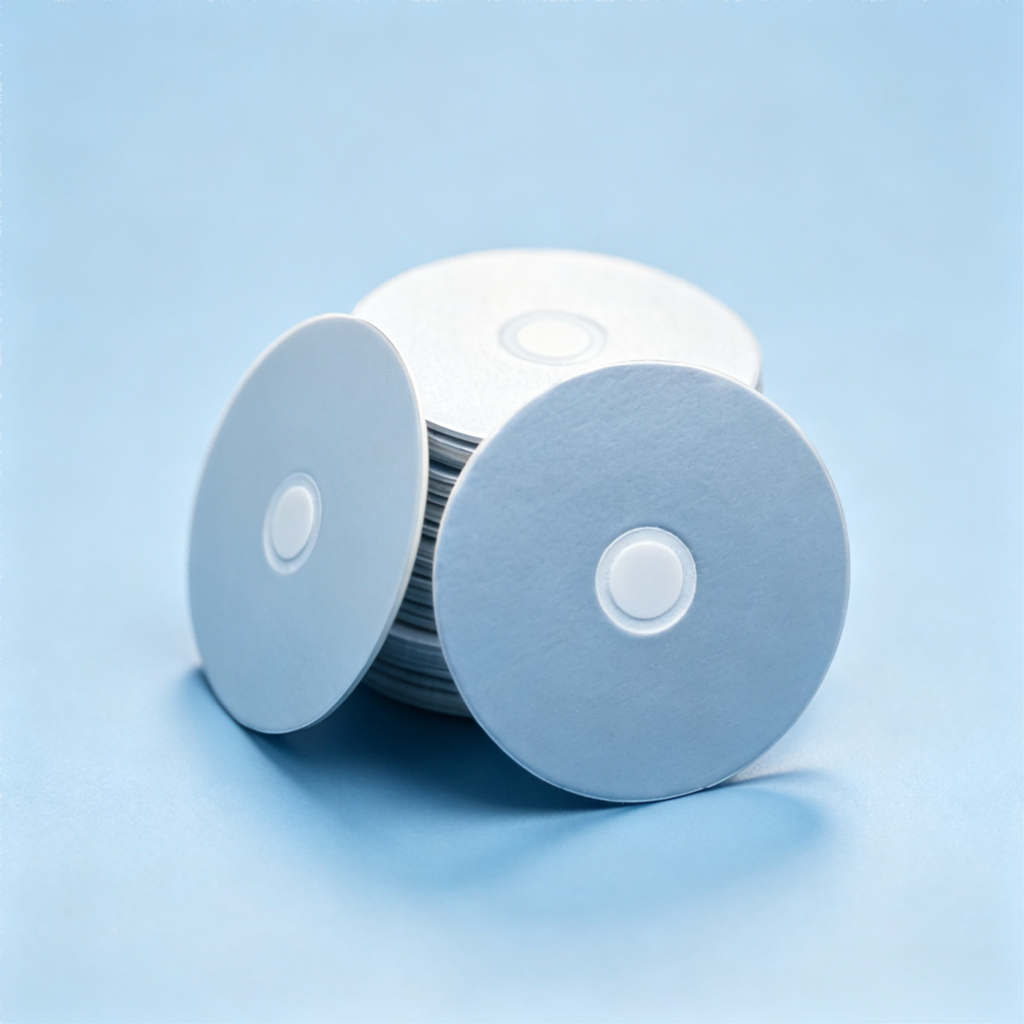
An aluminum foil vent liner is a multi-layer packaging component installed inside bottle caps or closures. It combines aluminum foil sealing technology with a breathable membrane layer to provide both sealing and ventilation functions.
Unlike traditional aluminum foil liners that only provide a complete seal, breathable aluminum foil vent liners include a specialized membrane structure that allows air and gas transmission while preventing liquid leakage.
This design provides an ideal balance between:
Basic Structure of Aluminum Foil Vent Liners
A typical aluminum foil vent liner consists of multiple functional layers:
- Aluminum Foil Layer: Provides sealing strength and barrier protection.
- Breathable Membrane Layer: Enables controlled gas exchange.
- Supporting Layer: Improves mechanical stability.
- Adhesive or Sealing Layer: Ensures reliable attachment to the container.
The exact structure can be customized according to container design, liquid properties, and application requirements.
How Do Aluminum Foil Vent Liners Work?
The working principle of an aluminum foil vent liner is based on controlled ventilation and reliable sealing. Unlike traditional liners that create a completely closed barrier, breathable aluminum foil vent liners allow gases to move through a specialized membrane while preventing liquid leakage.
When pesticide bottles experience pressure changes caused by temperature fluctuations or chemical gas generation, the breathable membrane provides a pathway for gas exchange. This helps maintain pressure balance between the inside and outside of the container.
- Internal pressure increases inside the pesticide bottle.
- Gas molecules move through the breathable membrane.
- Excess pressure is released gradually.
- Liquid pesticide remains protected inside the container.
Pressure Equalization in Pesticide Containers
During transportation, pesticide bottles may experience significant temperature changes. For example, containers shipped through different climate zones may be exposed to high temperatures during daytime and lower temperatures at night.
These temperature variations can cause internal air expansion and contraction. Without proper pressure management, containers may develop:
- Bottle swelling
- Cap deformation
- Seal stress
- Liquid leakage
Aluminum foil vent liners help reduce these risks by maintaining pressure equilibrium while keeping the container securely sealed.
ePTFE Breathable Membrane Technology
Many advanced aluminum foil vent liners use expanded polytetrafluoroethylene (ePTFE) membrane technology as the breathable layer.
ePTFE is a high-performance material with a unique microporous structure. These microscopic pores are designed to allow air and vapor transmission while blocking liquid penetration.
This makes ePTFE membranes especially suitable for pesticide bottle packaging, where both ventilation and leakage protection are required.
Why ePTFE Membranes Are Suitable for Agrochemical Packaging
For applications requiring direct container ventilation, Ventrase also provides ePTFE vent plugs for chemical drums, industrial containers, and other packaging systems.
Why Use Aluminum Foil Vent Liners for Pesticide Bottles?
Pesticide packaging requires more than basic sealing. Agricultural chemicals often have long storage periods and may generate gases during their lifecycle. A reliable venting solution helps maintain container performance from filling to final use.
1. Prevent Bottle Swelling and Deformation
One of the most common problems in chemical packaging is container expansion caused by internal pressure buildup.
When pesticide bottles are completely sealed, generated gases may accumulate inside the container. This pressure can change the bottle shape and affect shelf appearance.
Aluminum foil vent liners allow controlled ventilation to reduce pressure accumulation and maintain container stability.
2. Reduce Leakage During Transportation
Leakage during transportation can create safety concerns, product loss, and additional logistics costs.
A breathable vent liner provides a reliable sealing barrier while allowing necessary gas exchange. This helps reduce stress on bottle caps and improves package integrity.
3. Improve Product Shelf Stability
Agricultural chemicals may be stored for months before use. Packaging components must maintain performance throughout the product lifecycle.
Aluminum foil vent liners help protect product quality by reducing pressure-related packaging failures.
4. Support Sustainable Packaging Design
By improving container reliability and reducing leakage problems, breathable vent liners contribute to more efficient packaging systems and lower product waste.
Main Applications of Aluminum Foil Vent Liners
Although originally developed for demanding chemical packaging applications, aluminum foil vent liners are now used across multiple industries.
- Pesticide Bottle Packaging: For herbicides, insecticides, fungicides, and crop protection products.
- Fertilizer Packaging: For liquid fertilizers and agricultural additives.
- Chemical Containers: For industrial chemicals and specialty liquids.
- Lubricant Packaging: For oils and automotive fluids requiring pressure control.
- Industrial Packaging: For containers exposed to transportation pressure changes.
Advantages of Aluminum Foil Vent Liners Compared With Traditional Liners
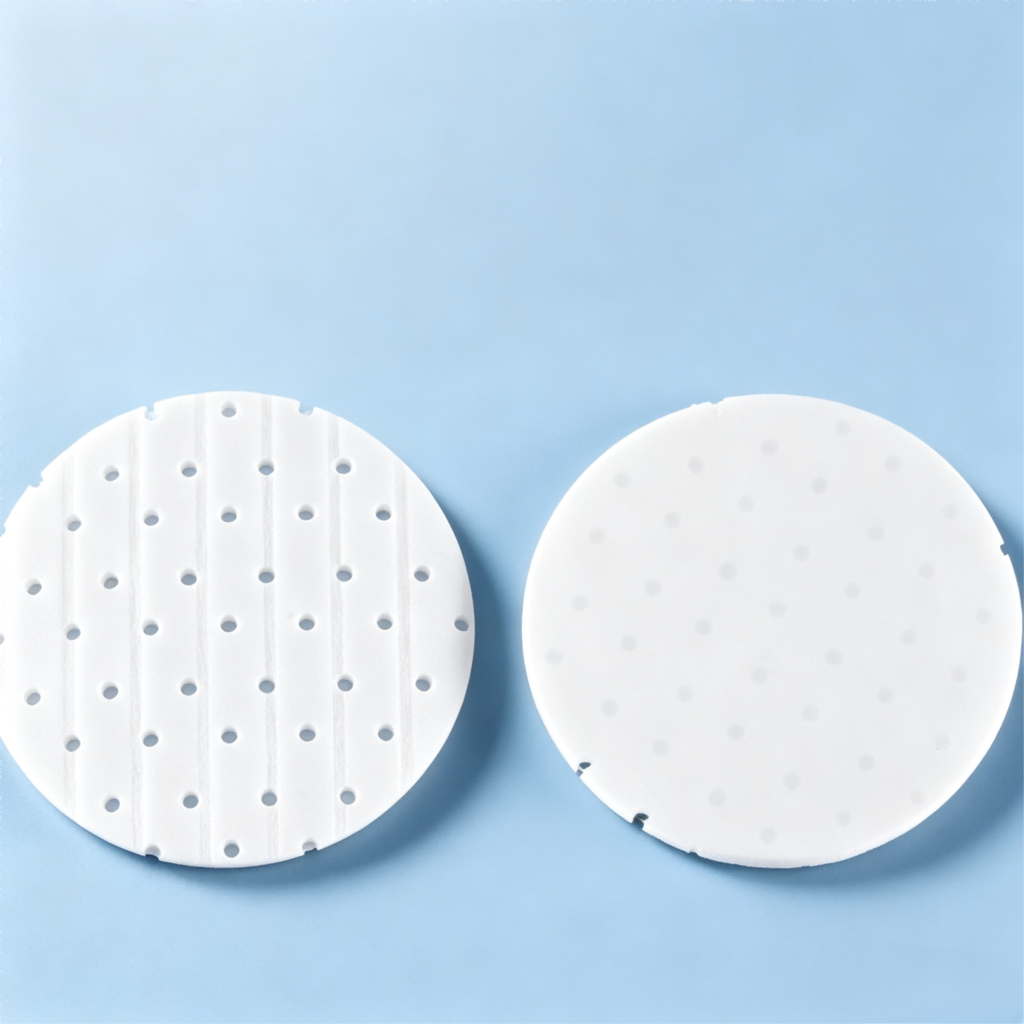
Traditional sealing liners are mainly designed to prevent leakage by creating a closed barrier between the container and the cap. While they provide basic sealing protection, they cannot manage internal pressure changes.
Aluminum foil vent liners combine the sealing advantages of traditional foil liners with advanced breathable membrane technology. This makes them more suitable for pesticide bottles and chemical containers where pressure control is required.
| Performance | Traditional Foil Liner | Aluminum Foil Vent Liner |
|---|---|---|
| Sealing Protection | Excellent | Excellent |
| Pressure Equalization | No | Yes |
| Gas Release | Blocked | Controlled |
| Bottle Swelling Prevention | Limited | High Performance |
| Chemical Packaging | General Use | Recommended |
Aluminum Foil Vent Liner vs Foam Vent Liner
Both aluminum foil vent liners and foam vent liners can provide packaging protection, but they are designed for different applications.
Aluminum foil vent liners are usually selected for applications requiring stronger barrier properties, induction sealing compatibility, and higher protection against external contamination.
Foam vent liners are often used where cushioning performance and compression recovery are more important.
| Feature | Aluminum Foil Vent Liner | Foam Vent Liner |
|---|---|---|
| Main Material | Aluminum foil + membrane | PE/EPE foam + membrane |
| Sealing Strength | High | Medium to High |
| Chemical Packaging | Excellent | Suitable |
| Induction Sealing | Common | Limited |
How to Select the Right Aluminum Foil Vent Liner
Choosing the correct vent liner depends on the container design, chemical characteristics, and packaging requirements. A properly selected liner improves product safety and reduces packaging failures.
1. Container Size and Volume
The size of the container directly affects ventilation requirements. Larger pesticide containers generally require higher airflow capacity because they contain more internal air volume.
Small bottles and large chemical containers may require different liner structures and airflow specifications.
2. Chemical Compatibility
Different pesticides and agricultural chemicals have different chemical properties. The liner material should be selected according to:
- Chemical composition
- Solvent concentration
- Storage temperature
- Expected shelf life
Proper material selection helps maintain long-term sealing performance and membrane stability.
3. Required Airflow Performance
Airflow is an important parameter when selecting a breathable vent liner. Applications with higher gas generation may require higher ventilation capacity.
Typical performance factors include:
- Air permeability
- Water entry pressure
- Membrane structure
- Container pressure requirements
4. Sealing Method Requirements
Aluminum foil vent liners are commonly used with induction sealing processes, providing a strong and reliable seal between the liner and container opening.
The sealing method should be considered together with production equipment and packaging line requirements.
Technical Parameters of Aluminum Foil Vent Liners
| Material Structure | Aluminum foil + breathable membrane + sealing layer |
| Application | Pesticide bottles, chemical containers, fertilizer packaging |
| Sealing Method | Induction sealing |
| Breathability | Customized according to application requirements |
| Water Protection | Waterproof breathable membrane technology |
Case Study: Improving Pesticide Bottle Safety With Aluminum Foil Vent Liners
A global agrochemical packaging manufacturer was facing repeated problems with pesticide bottles during long-distance transportation. Some containers showed swelling and cap stress after exposure to temperature changes during shipping.
The original sealing solution provided good leakage protection but did not allow pressure release. As a result, gas accumulation inside the bottle affected packaging appearance and reliability.
By replacing conventional liners with aluminum foil vent liners, the packaging system achieved better pressure management while maintaining strong sealing performance.
Packaging Challenges
- Bottle deformation caused by internal pressure increase
- Leakage risk during international transportation
- Temperature variation during storage
- Need for improved chemical packaging reliability
Solution Provided by Aluminum Foil Vent Liners
The aluminum foil vent liner combined a strong sealing layer with a breathable membrane structure. This allowed excess gas to escape while keeping liquid pesticide safely contained.
The improved packaging solution provided:
- Better pressure equalization
- Reduced bottle swelling
- Improved transportation safety
- More stable shelf performance
Why Choose Ventrase Aluminum Foil Vent Liners?
Ventrase develops breathable venting solutions for global packaging manufacturers, focusing on chemical, agrochemical, industrial, and specialty packaging applications.
Our aluminum foil vent liners are designed to provide reliable sealing, controlled ventilation, and customized performance according to customer requirements.
Professional Manufacturing Capability
Ventrase supports OEM and customized vent liner solutions for different bottle designs, cap structures, and application environments.
Customization options include:
- Different liner diameters
- Customized thickness
- Different membrane airflow levels
- Various sealing structures
- Application-specific material selection
Quality Testing and Performance Verification
Reliable packaging components require strict quality control. Ventrase evaluates aluminum foil vent liners through multiple performance tests to ensure stable operation in real-world applications.
- Air permeability testing
- Water entry pressure testing
- Chemical resistance testing
- Temperature resistance evaluation
- Sealing strength testing
Frequently Asked Questions About Aluminum Foil Vent Liners
What is an aluminum foil vent liner?
An aluminum foil vent liner is a multi-layer sealing component that combines aluminum foil with a breathable membrane. It provides container sealing while allowing controlled gas exchange.
Why are aluminum foil vent liners used for pesticide bottles?
Pesticide bottles may experience pressure changes caused by temperature variation and gas generation. Aluminum foil vent liners help prevent bottle swelling, deformation, and leakage by balancing internal pressure.
Are aluminum foil vent liners waterproof?
Yes. Breathable aluminum foil vent liners use waterproof breathable membrane technology. They allow gas transmission while preventing liquid leakage under normal operating conditions.
What is the difference between a foil liner and a vent liner?
A standard foil liner mainly provides sealing. A foil vent liner adds a breathable membrane that enables pressure equalization while maintaining sealing protection.
Can aluminum foil vent liners be customized?
Yes. Vent liner design can be customized according to container size, chemical compatibility, airflow requirements, sealing method, and application conditions.
What industries use aluminum foil vent liners?
Common applications include agrochemical packaging, pesticide bottles, fertilizer containers, chemical packaging, lubricant containers, and industrial liquid packaging.
Conclusion: Reliable Venting Solutions for Agrochemical Packaging
Pesticide and chemical packaging require reliable protection against both leakage and pressure changes. Traditional sealing methods may not be enough when containers experience gas generation or temperature fluctuations.
Aluminum foil vent liners provide an effective solution by combining strong sealing performance with controlled ventilation technology. They help manufacturers improve packaging safety, reduce transportation risks, and maintain product quality.
For pesticide bottles, chemical containers, and industrial packaging applications, selecting the right breathable vent liner can significantly improve container performance.
Ventrase provides customized aluminum foil vent liner solutions designed for demanding packaging environments worldwide.
Need Aluminum Foil Vent Liners for Your Packaging Project?
Contact Ventrase for technical recommendations, samples, and customized vent liner solutions.
Related Products and Resources
- Breathable Vent Liners
- Aluminum Foil Vent Liners Product Page
- PE Foam Vent Liners
- EPE Vent Liners
- Aluminum Foil Foam Vent Liners
- Pressure Sensitive Vent Liners
- ePTFE Vent Plugs
- Agrochemical Packaging Solutions
Recommended Related Articles
- Breathable Vent Liners Complete Guide: How They Improve Chemical Packaging Safety
- PE Foam Vent Liners vs EPE Vent Liners: Complete Comparison
- Pressure Sensitive Vent Liners for Industrial Packaging Applications
- Why Do Chemical Bottles Swell During Transportation?
- Vent Plug vs Vent Liner: Choosing the Right Packaging Vent Solution