
Breathable Vent Liners Complete Guide: How They Improve Chemical Packaging Safety
Breathable vent liners are advanced packaging components designed to balance internal pressure while preventing liquid leakage. They are widely used in chemical containers, agrochemical bottles, lubricant packaging, and industrial packaging applications where pressure changes and product safety are critical.
This complete guide explains how breathable vent liners work, different types of vent liner solutions, their applications, and how to select the right vent liner for your packaging requirements.
Introduction: Why Packaging Needs Breathable Vent Liners
Modern packaging systems face increasing challenges caused by temperature variation, transportation vibration, altitude changes, and chemical gas generation. When a sealed container experiences pressure changes, it may expand, collapse, leak, or affect product performance.
A breathable vent liner provides a controlled air exchange pathway while maintaining protection against liquids and contaminants. By combining breathable membrane technology with sealing materials, vent liners help containers maintain pressure balance without compromising product protection.
Unlike traditional sealing liners that completely block gas movement, breathable vent liners allow air and vapor to pass through while preventing liquid penetration. This makes them an ideal solution for chemical packaging, agricultural products, and other pressure-sensitive applications.
- Prevent bottle swelling and container deformation
- Reduce leakage risks during transportation
- Maintain pressure balance inside sealed containers
- Protect products from contamination and moisture
- Improve packaging reliability and customer experience
What Is a Breathable Vent Liner?
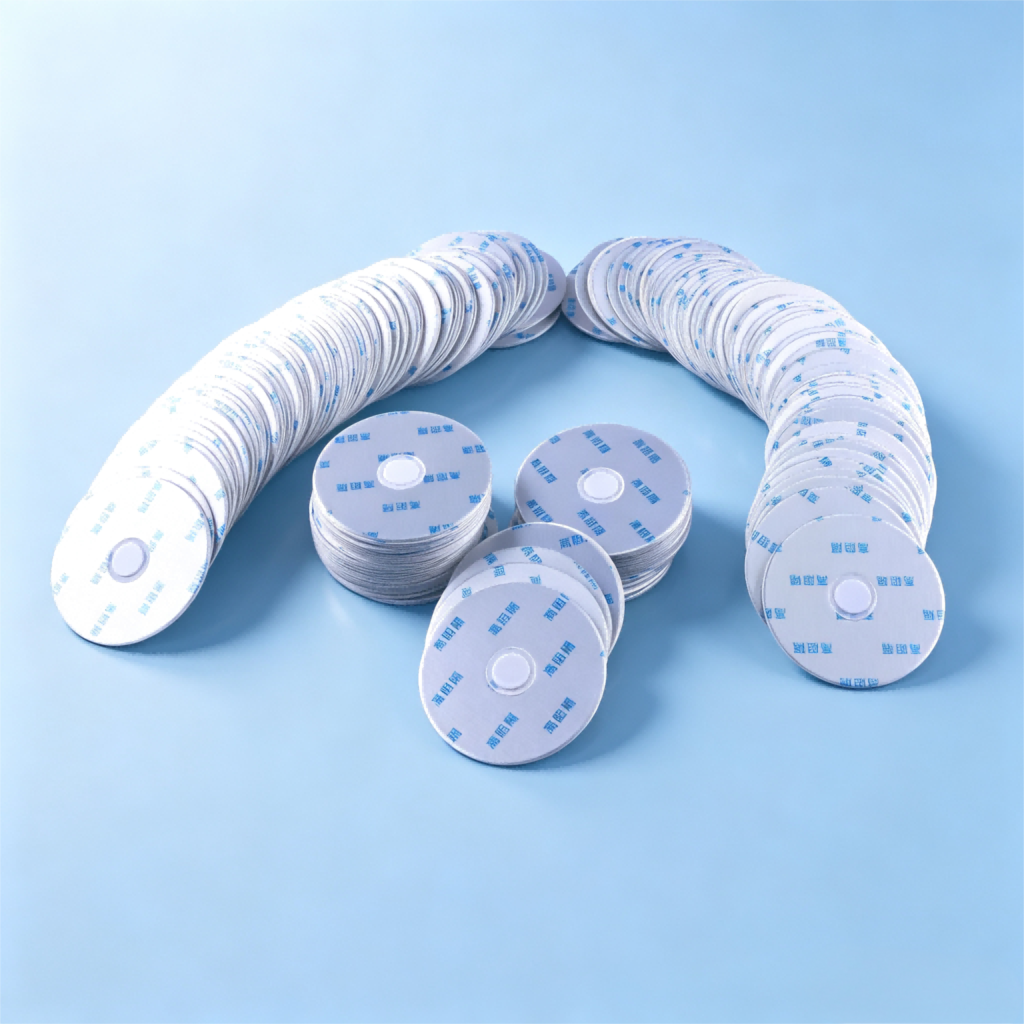
A breathable vent liner is a specialized sealing component installed inside bottle caps, closures, or container openings. It normally consists of a breathable membrane layer combined with supporting materials such as aluminum foil, PE foam, or EPE foam.
The core technology behind many high-performance vent liners is ePTFE membrane technology . The microporous structure of expanded polytetrafluoroethylene (ePTFE) allows gases to pass through while blocking liquids due to its waterproof properties.
Basic Structure of a Vent Liner
A typical breathable vent liner structure includes several functional layers:
How Breathable Vent Liners Differ From Standard Liners
Traditional liners mainly provide sealing functions. They prevent leakage by creating a closed barrier between the container and cap.
However, completely sealed packaging can create pressure problems. For example, chemical products may release gases during storage, or temperature changes may cause internal pressure fluctuations.
A breathable vent liner solves this problem by combining sealing performance with controlled ventilation.
| Feature | Traditional Liner | Breathable Vent Liner |
|---|---|---|
| Gas Exchange | No | Yes |
| Pressure Equalization | Limited | Excellent |
| Liquid Protection | Good | High |
| Chemical Packaging Application | Limited | Recommended |
How Do Breathable Vent Liners Work?
The working principle of a breathable vent liner is based on controlled gas transmission and liquid protection. When pressure changes occur inside a sealed container, gases can move through the microporous membrane while liquids remain blocked.
This pressure equalization function is especially important for chemical, agricultural, and industrial packaging because many products release gases during storage or transportation.
1. Pressure Equalization
Temperature changes during transportation and storage can cause air expansion or contraction inside containers. Without a venting solution, containers may experience swelling, deformation, or even cap leakage.
A breathable vent liner allows excess air pressure to escape and enables outside air to enter when negative pressure occurs. This keeps the container shape stable and improves packaging reliability.
2. Waterproof Breathable Protection
The membrane inside a breathable vent liner contains millions of microscopic pores. These pores are designed to allow gas molecules to pass while preventing liquid droplets from entering.
This waterproof breathable structure protects packaged products from moisture, contamination, and accidental leakage while maintaining ventilation performance.
3. Gas and Vapor Management
Some chemical and industrial products naturally generate gases during their lifecycle. Examples include pesticides, fertilizers, cleaning chemicals, and certain lubricants.
Without proper ventilation, accumulated gas pressure may affect container performance. Breathable vent liners provide a reliable solution for managing internal gas buildup.
- Agrochemical bottles and pesticide containers
- Fertilizer packaging
- Chemical storage containers
- Lubricant bottles
- Industrial liquid packaging
ePTFE Membrane Technology in Breathable Vent Liners
Many advanced breathable vent liners use expanded polytetrafluoroethylene (ePTFE) membranes because of their excellent combination of waterproof performance, chemical resistance, and airflow capability.
The ePTFE membrane contains a highly controlled microporous structure. These pores are significantly smaller than liquid droplets but large enough for air and vapor molecules to pass through.
Advantages of ePTFE Breathable Membranes
- High waterproof performance
- Excellent chemical compatibility
- Stable performance under temperature changes
- Long-term ventilation reliability
- Suitable for demanding industrial packaging applications
For applications requiring higher pressure protection or direct container ventilation, Ventrase also provides ePTFE vent plugs for different container sizes and industries.
Types of Breathable Vent Liners
Different packaging applications require different liner structures. Material selection depends on sealing method, chemical compatibility, airflow requirements, and container design.
1. Aluminum Foil Vent Liners
Aluminum foil vent liners are widely used for chemical bottles, agrochemical packaging, and industrial containers where induction sealing and breathable protection are required.
The aluminum foil structure provides strong sealing performance while the integrated breathable membrane enables pressure balance.
Main Applications:- Pesticide bottles
- Fertilizer containers
- Chemical packaging
- Agricultural product containers
2. PE Foam Vent Liners
PE foam vent liners combine polyethylene foam materials with breathable membrane technology. They provide cushioning performance together with pressure control functions.
These liners are suitable for plastic containers that require reliable sealing, impact resistance, and controlled ventilation.
Typical Applications:- Plastic chemical containers
- Industrial liquids
- Household chemical packaging
3. EPE Vent Liners
EPE vent liners use expanded polyethylene foam structures that provide lightweight protection and sealing support.
EPE materials offer good elasticity and recovery performance, making them suitable for applications where container sealing stability is important.
Key Features:- Lightweight structure
- Good compression recovery
- Reliable sealing performance
- Suitable for various plastic containers
4. Aluminum Foil Foam Vent Liners
Aluminum foil foam vent liners combine aluminum foil sealing technology with foam support layers.
This hybrid structure provides excellent sealing strength, cushioning performance, and breathable pressure management.
Recommended Applications:- Chemical bottles
- Agrochemical packaging
- High-value industrial liquids
5. Pressure Sensitive Vent Liners
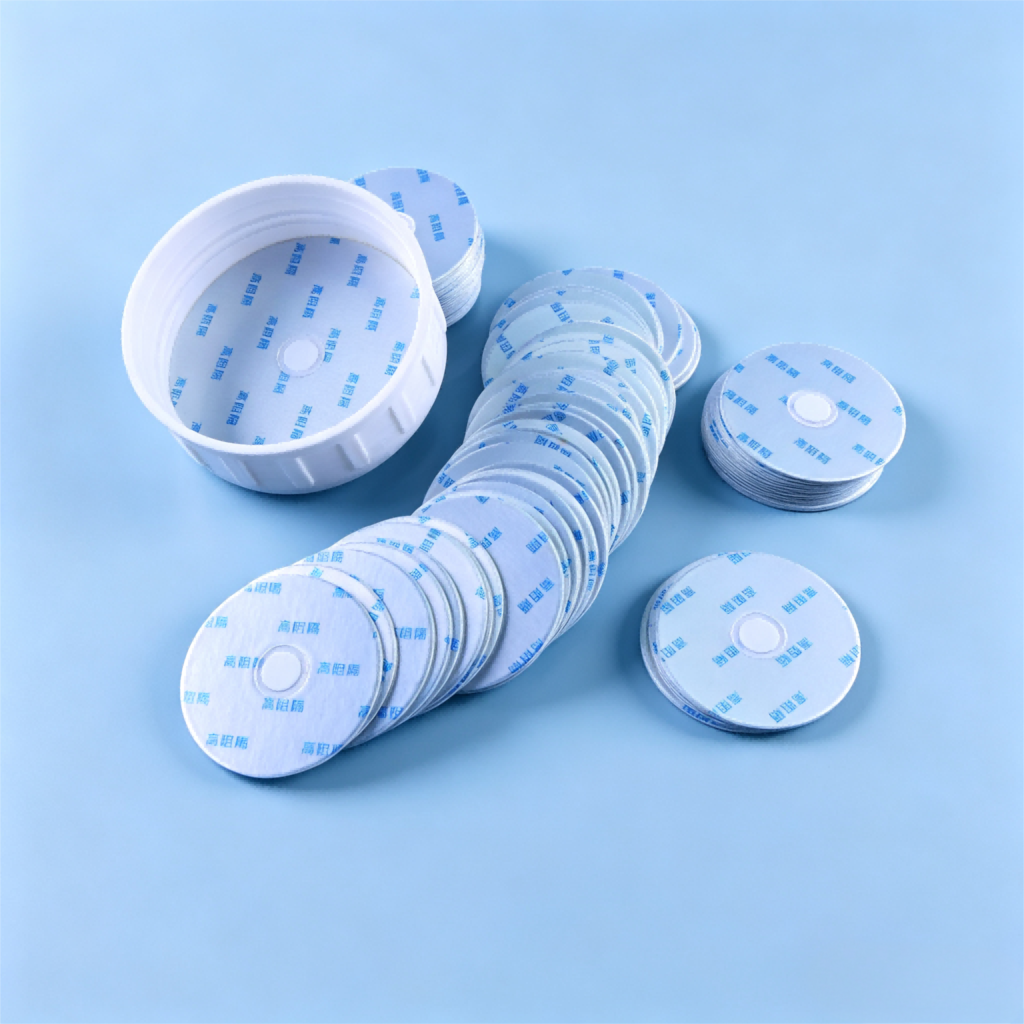
Pressure sensitive vent liners are designed for applications where adhesive bonding is preferred instead of induction sealing.
They provide a convenient installation method while maintaining breathable ventilation performance.
Advantages:- Easy application process
- No induction equipment required
- Suitable for small and medium packaging systems
- Flexible design options
Applications of Breathable Vent Liners
Breathable vent liners are used across multiple industries where sealed containers require pressure control, leakage prevention, and reliable product protection. The right vent liner solution depends on the product characteristics, container material, and operating environment.
From agrochemical packaging to industrial chemicals, breathable vent liners help manufacturers improve packaging safety and reduce problems caused by pressure changes during storage and transportation.
1. Agrochemical Packaging Applications
Agrochemical products such as pesticides, herbicides, fertilizers, and agricultural chemicals often generate gases or experience pressure changes during their lifecycle.
A sealed pesticide bottle without proper ventilation may experience swelling, deformation, or leakage after exposure to temperature changes. Breathable vent liners provide continuous pressure equalization while maintaining protection against liquid leakage.
For this reason, breathable vent liners are widely used in:
- Pesticide bottles
- Fertilizer containers
- Agricultural chemical packaging
- Crop protection product containers
Learn more about solutions for agricultural packaging:
Agrochemical Packaging Vent Solutions
2. Chemical Packaging Applications
Chemical packaging requires high reliability because many industrial liquids have demanding storage conditions. Chemicals may release gases, react with temperature changes, or require long transportation periods.
Breathable vent liners help chemical manufacturers maintain container integrity by balancing pressure while preventing contamination and leakage.
Common chemical packaging applications include:
- Cleaning chemicals
- Industrial additives
- Liquid fertilizers
- Specialty chemicals
- Laboratory chemicals
3. Lubricant and Automotive Fluid Packaging
Lubricants, oils, and automotive fluids are commonly transported in plastic bottles and containers. During shipping, temperature fluctuations can create pressure differences inside the package.
Vent liners help maintain container stability while protecting the product from external moisture and contamination.
4. Food and Pharmaceutical Packaging
Certain food and pharmaceutical packaging applications also require controlled gas exchange and contamination protection.
Breathable vent liners can help maintain packaging performance where moisture control, pressure balance, and product protection are important.
Breathable Vent Liner vs Traditional Sealing Liner
Choosing the correct liner technology is important for packaging performance. Traditional liners provide excellent sealing but may not solve pressure-related problems.
Breathable vent liners add ventilation functionality by allowing controlled gas movement through a specialized membrane structure.
| Feature | Traditional Liner | Breathable Vent Liner |
|---|---|---|
| Pressure Equalization | No | Yes |
| Gas Release | Blocked | Controlled |
| Bottle Swelling Prevention | Limited | Excellent |
| Leakage Protection | Good | Excellent |
| Chemical Packaging Suitability | General | Recommended |
How to Choose the Right Breathable Vent Liner
Selecting the correct breathable vent liner depends on several technical factors. A professional packaging evaluation should consider container design, product properties, and performance requirements.
1. Consider the Container Size and Volume
Larger containers usually require higher airflow capacity because they contain more air volume and may experience greater pressure changes.
Small bottles, chemical drums, and industrial containers may require different vent liner structures and airflow specifications.
2. Evaluate Product Chemical Compatibility
Different liquids have different chemical characteristics. The liner material should be compatible with the packaged product to ensure long-term reliability.
Common factors include:
- Chemical concentration
- Solvent exposure
- Temperature conditions
- Storage duration
3. Select the Appropriate Sealing Method
Vent liners are available with different sealing technologies:
- Induction sealing liners
- Pressure sensitive adhesive liners
- Foam-supported sealing liners
4. Determine Required Airflow Performance
Airflow requirements depend on container size, product gas generation, and application environment.
Higher airflow designs may be required for applications with significant pressure changes, while standard airflow solutions may be sufficient for general packaging.
5. Consider Environmental Conditions
Transportation and storage conditions can affect packaging performance. Temperature changes, altitude differences, and long-distance shipping should be considered during vent liner selection.
Ventrase provides customized breathable vent liner solutions based on container size, application requirements, airflow performance, and sealing method.
Why Choose Ventrase Breathable Vent Liners?
Selecting the right breathable vent liner supplier is important for maintaining packaging reliability, product safety, and long-term performance. Ventrase focuses on developing advanced venting solutions for chemical, agrochemical, industrial, and specialty packaging applications.
With professional membrane technology and customized manufacturing capabilities, Ventrase provides reliable breathable vent liner solutions designed for different container structures and application requirements.
Advanced Membrane Technology
Ventrase breathable vent liners use high-performance membrane technology to achieve a balance between airflow, waterproof protection, and chemical resistance.
The microporous membrane structure enables gas exchange while helping prevent liquid leakage, making it suitable for demanding packaging environments.
Customized Packaging Solutions
Different industries have different requirements for sealing methods, container sizes, airflow rates, and chemical compatibility.
Ventrase can provide customized vent liner solutions including:
- Different liner diameters and thickness options
- Various sealing structures
- Customized airflow performance
- Material selection according to application requirements
- OEM packaging component solutions
Quality Control and Testing
Reliable vent liner performance requires strict quality control during material selection and production.
Ventrase evaluates products through performance testing including:
- Airflow testing
- Water entry pressure testing
- Chemical resistance evaluation
- Temperature resistance testing
- Sealing performance testing
These testing processes help ensure stable performance in transportation, storage, and end-use environments.
Frequently Asked Questions About Breathable Vent Liners
What is a breathable vent liner?
A breathable vent liner is a packaging sealing component that allows controlled gas exchange while preventing liquid leakage. It helps maintain pressure balance inside sealed containers.
What is the difference between a vent liner and a normal liner?
A normal liner mainly provides sealing protection, while a breathable vent liner combines sealing with ventilation. It allows gases to pass through the membrane to prevent pressure buildup.
Where are breathable vent liners used?
Breathable vent liners are commonly used in agrochemical packaging, chemical containers, fertilizer bottles, lubricant packaging, industrial liquids, and other pressure-sensitive packaging applications.
Can breathable vent liners prevent bottle swelling?
Yes. By releasing excess internal pressure and allowing air exchange, breathable vent liners can significantly reduce bottle swelling and container deformation caused by pressure changes.
Are breathable vent liners waterproof?
High-performance breathable vent liners use waterproof breathable membrane technology. They allow gas transmission while preventing liquid penetration under normal operating conditions.
How do I select the correct vent liner for my container?
The correct vent liner depends on container size, liquid properties, chemical compatibility, sealing method, airflow requirement, and operating environment. Professional evaluation is recommended for critical applications.
Conclusion: Improving Packaging Safety with Breathable Vent Liners
As packaging requirements become more demanding, traditional sealing solutions may not be enough to manage pressure changes and product protection. Breathable vent liners provide an effective solution by combining sealing performance with controlled ventilation.
For chemical, agrochemical, lubricant, and industrial packaging applications, selecting the right vent liner can help prevent leakage, reduce container deformation, and improve overall packaging reliability.
Ventrase provides a complete range of breathable vent liner solutions, including aluminum foil vent liners, PE foam vent liners, EPE vent liners, aluminum foil foam vent liners, and pressure sensitive vent liners for global packaging manufacturers.
Looking for a Customized Breathable Vent Liner Solution?
Contact Ventrase for technical support, product recommendations, and customized packaging vent solutions.
Related Resources
- Breathable Vent Liners Product Category
- Aluminum Foil Vent Liners
- PE Foam Vent Liners
- EPE Vent Liners
- Aluminum Foil Foam Vent Liners
- Pressure Sensitive Vent Liners
- ePTFE Vent Plugs
- Agrochemical Packaging Solutions
Recommended Reading
- Why Do Chemical Bottles Swell? The Role of Packaging Venting Solutions
- Breathable Vent Liner vs Vent Plug: Which Solution Is Better?
- How to Choose the Right Venting Solution for Agrochemical Packaging
- ePTFE Membrane Technology Explained for Industrial Packaging